
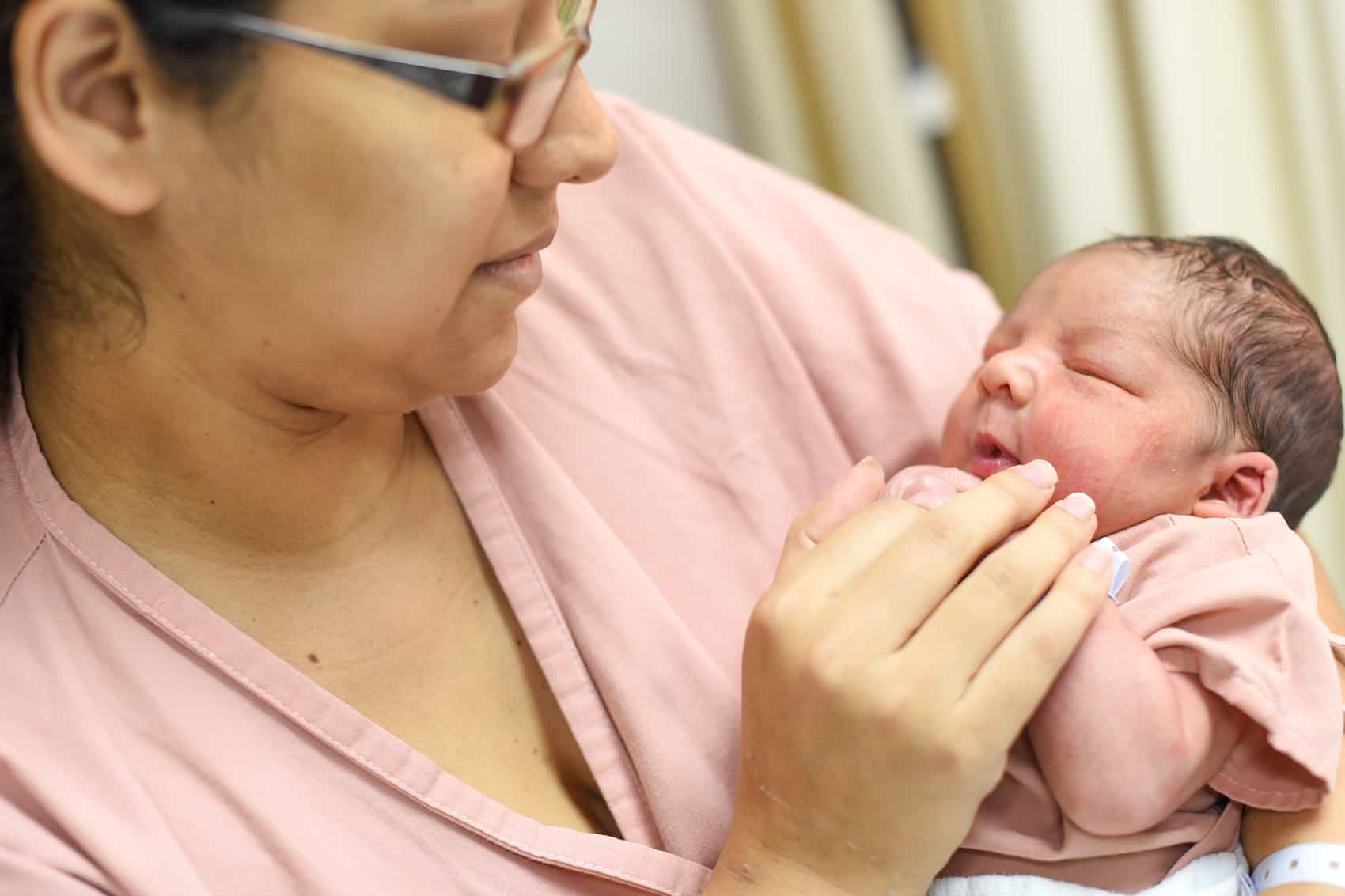
Costa Rica’s population could begin shrinking earlier than previously expected as the number of children being born continues to fall faster than population experts had projected. Costa Rica’s fertility rate is now estimated at about 1.12 children per woman in 2026, below the 1.20 that had been expected for this year. The difference may appear small, but it continues a long decline in births that is rapidly changing the age and size of Costa Rica’s population. In 2025, Costa Rica registered 48,414 births, the lowest number recorded during the past decade. That was 23,933 fewer births than in 2016, meaning it recorded roughly one-third fewer babies last year than it did nine years earlier. Population projections had already suggested that Costa Rica would begin seeing its total population decline around 2044. The faster-than-expected drop in fertility means that point could arrive sooner. The change is not expected to produce a sudden drop in population. Instead, Costa Rica is gradually moving toward a society with fewer children and young adults and a larger share of older residents. A fertility rate of about 2.1 children per woman is generally considered necessary for a population to replace itself over the long term without relying on immigration. Costa Rica is now far below that level. The reasons behind the decline are not tied to one single issue. Costa Ricans are waiting longer to have their first child, families are choosing to have fewer children, and a growing number of people are deciding not to become parents at all. The cost of housing, childcare, employment, household finances and access to support networks can also influence decisions about whether or when to have children. Women are also increasingly delaying motherhood while studying, working and pursuing other personal goals. Researchers say these are long-term social changes rather than a temporary decline that is likely to quickly reverse. The consequences will become increasingly noticeable in areas ranging from schools to the labor market. Fewer births eventually mean fewer children entering classrooms. Some rural communities are already dealing with falling school enrollment, and the trend could eventually lead to more school consolidations or closures in areas where there are no longer enough students. Universities will eventually face smaller groups of potential students as well and the workforce will also change. As today’s smaller generation of children reaches adulthood, fewer young people will enter the labor market to replace workers who retire. At the same time, Costa Rica will have a growing number of older residents requiring pensions, healthcare and other services. That combination could place additional pressure on the Costa Rican Social Security Fund and the country’s pension systems because a smaller working-age population will be helping support a larger retired population. Costa Rica is already aging quickly as people age 65 and older are projected to make up about 12% of the population in 2026. That proportion is expected to continue rising over the coming decades, while the percentage of children and working-age residents gradually declines. The demographic change could also affect housing since smaller families and more people living alone or as couples may need different types of homes than one dominated by larger families with several children. Businesses could face changes as well, particularly employers that depend on a steady supply of younger workers. Immigration could eventually become increasingly important in maintaining Costa Rica’s workforce as the number of locally born workers declines. Population experts do not describe the falling birth rate as an immediate crisis, but rather as a major demographic change that Costa Rica will have to prepare for. Costa Rica still has time to adjust, particularly by improving education, employment opportunities and productivity among the working-age population it already has. But the latest fertility numbers suggest that the transition is happening faster than expected. Costa Rica is not simply experiencing a year or two with fewer babies but is moving toward a future in which there will be fewer young people, more older adults and, eventually, fewer residents overall.
Costa Rica Population Could Begin Shrinking Earlier Than Expected
Full Article
Original Source
Read the full article at Ticotimes →KhanList aggregates and links to publicly available news content. We do not host full articles from third-party sources. Always verify important information with original sources.