
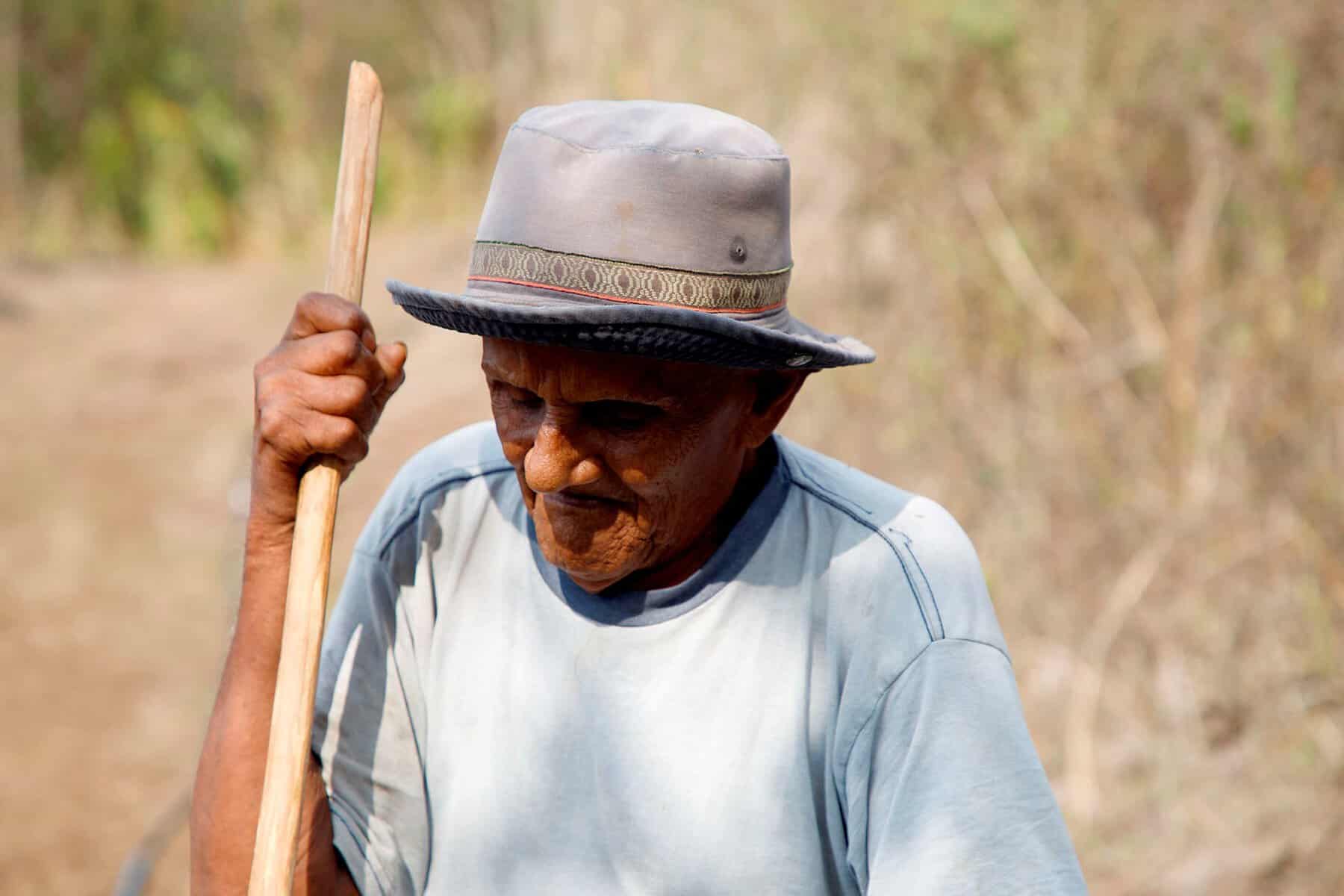
Costa Rica has laid out a timeline to develop the Nicoya Peninsula’s Blue Zone as a wellness tourism destination, with an official Blue Zone seal, three new tourism products by 2028 and national and international promotion campaigns. The plan runs alongside expanded care for the region’s oldest residents. The measures are part of the Costa Rica Centenaria strategy, which President Laura Fernández Delgado announced on July 24 during a tour of Guanacaste. According to the Ministry of National Planning and Economic Policy (MIDEPLAN), the National Council for Older Persons (CONAPAM) will lead the strategy, which is still going through the administrative process to make it official. The Nicoya Peninsula is one of a handful of regions worldwide known as Blue Zones, where an unusually high share of residents live into their 90s and past 100. Researchers have long debated whether that longevity advantage can survive among younger generations of Nicoyans. The strategy covers health, social protection, tourism, infrastructure and local economic development. The announcement does not include budget figures for any of its components. On the tourism side, the Costa Rican Tourism Institute (ICT) plans to develop experiences tied to wellness, nature, culture and local traditions. In 2026, the work centers on forming an interinstitutional team and carrying out a tourism carrying-capacity study, an assessment of how many visitors the area can absorb without damaging it. An inventory of the region’s existing wellness tourism offerings is due in 2027. A national promotion campaign is planned for 2027 and an international one for 2028, the same year three new tourism products are to be launched. The plan also calls for an official Blue Zone seal. The push builds on the country’s broader effort to market itself as a wellness destination, including a national wellness route launched last December and growing demand from older travelers seeking health-focused trips. The care measures center on the people behind the Blue Zone’s reputation. CONAPAM is to create a National Registry of Centenarians between 2027 and 2030 to keep updated information on Costa Ricans aged 100 and older. A national support program delivered through the National Care Network aims to reach 100% of the country’s centenarians and to strengthen daytime care services. The Costa Rican Social Security Fund (CCSS) plans to give each identified centenarian a comprehensive geriatric assessment and an individual care plan covering medical follow-up, home visits and disease prevention. The Ministry of Health intends to bring the municipalities in the high-longevity area into its age-friendly cities and communities program, with a target of 80% participation in 2027 and 100% in 2028. The strategy also includes two community economic projects in rural Guanacaste. In Pozo de Agua de Nicoya, a rural agritourism and agroecology project with technical support from the National Training Institute (INA) involves 22 women livestock producers and 16 women entrepreneurs in traditional cooking, with about 152 direct beneficiaries. In Pochote de Quebrada Honda, a project to strengthen artisanal fishing and community development involves 36 organized fishers and shellfish harvesters, with an estimated 140 direct beneficiaries. The Social Protection Board (JPS), which runs the national lottery, has registered two projects to buy medical equipment for La Anexión Hospital in Nicoya, both still in the pre-execution stage. The plan also includes a four-wheel-drive vehicle for the Nandayure Pain Clinic and Palliative Care Association. According to MIDEPLAN, the strategy is meant to help preserve the region’s longevity, strengthen public services and create sustainable development opportunities for the communities of the peninsula.
Costa Rica Plans Blue Zone Seal and Wellness Tourism Push for Nicoya
Full Article
Original Source
Read the full article at Ticotimes →KhanList aggregates and links to publicly available news content. We do not host full articles from third-party sources. Always verify important information with original sources.