
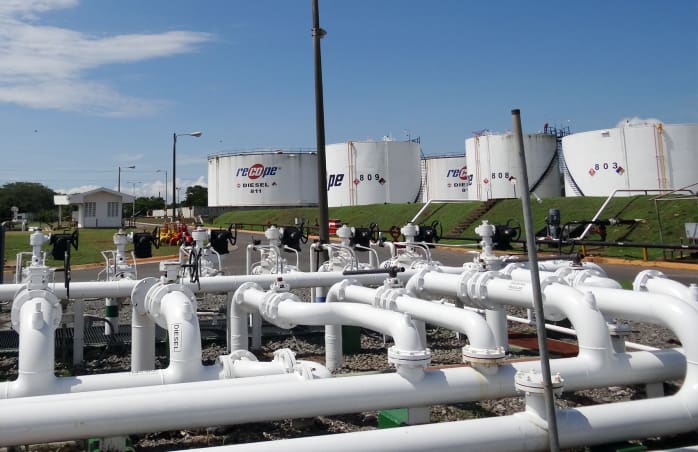
Costa Rica paid about $701 million more for imported fuel in the first nine months of 2026 than in the same period last year, as higher international prices drove up the cost of every barrel, according to figures from the state fuel company, Recope. Fuel imports through September totaled $2,267 million, up 44.77% from $1,566 million a year earlier. The volume imported grew only about 5.5%, from 18.81 million to 19.85 million barrels, so most of the increase came from higher prices. The average cost of a barrel rose 37.17%, from $83.27 to $114.22. Diesel was the largest single expense, at $961 million. Its average import price climbed from $90.79 to $135.82 per barrel, while jet fuel rose from $93.36 to $138.84. Karla Montero, Recope’s executive president, attributed the jump in diesel to attacks on Russian refineries. The Central Bank of Costa Rica (BCCR) projects in its Monetary Policy Report that the country’s oil bill will close 2026 at $3,086 million, compared with $1,976 million in 2025. Montero said higher import costs reach consumers gradually, through the monthly price adjustments approved by the Public Services Regulatory Authority (Aresep). Diesel and regular gasoline currently sell for 808 colones per liter, about $1.80, or roughly $6.80 per gallon. Super gasoline sells for 806 colones per liter. Diesel has historically been cheaper at the pump because it carries a lower single fuel tax, but international cost pressure has narrowed that gap. Diesel was up 17% in October’s inflation figures, as consumer prices rose for a second straight month. Alonso Alfaro, chief economist at the BCCR, said more expensive fuel adds inflationary pressure that could spread to other prices. He also said larger import payments increase demand for dollars and put pressure on the external deficit, although that demand has so far been met without instability. The exchange rate has softened part of the blow. Recope said this year’s roughly 10% shift in the exchange rate has offset part of the increase in import costs, with the dollar now trading near 450 colones. Recope expects international prices to remain between $90 and $110 a barrel in the coming weeks. Pablo Guzmán, executive director of the Costa Rican Fuel Chamber, said Costa Rica is a price taker and that prices could ease or rise moderately in 2027. Any relief next year depends on smoother oil shipments through the Middle East and a recovery in diesel supply. Recope said it has completed its annual tender for 2027 contracts, which fixes freight, insurance and supplier margins for the year.
Costa Rica Paid $701 Million More for Fuel This Year as Diesel Soared
Full Article
Original Source
Read the full article at Ticotimes →KhanList aggregates and links to publicly available news content. We do not host full articles from third-party sources. Always verify important information with original sources.