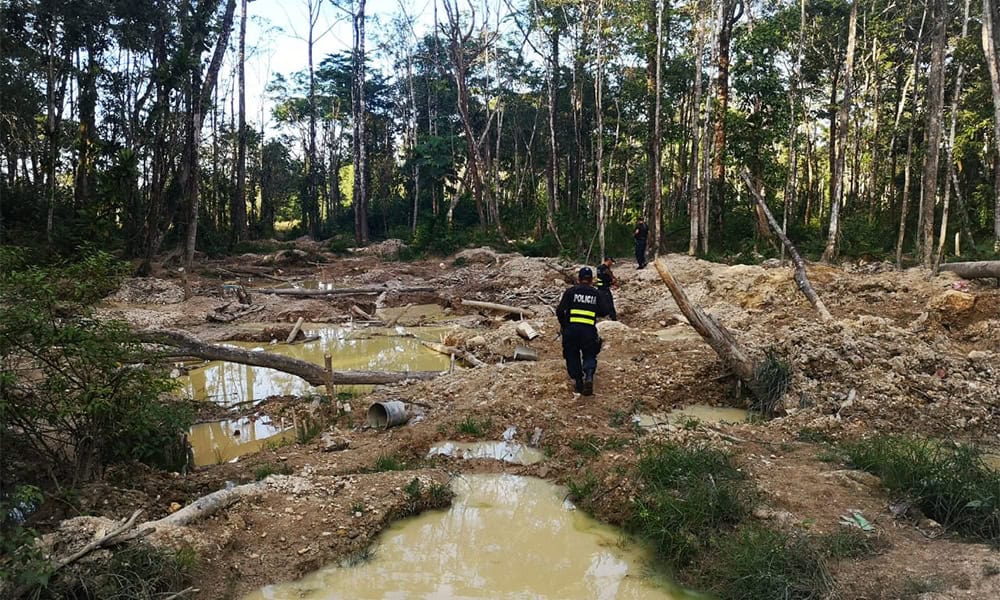
Costa Rican lawmakers have given initial approval to legislation that would allow authorities to pursue illegal mining and other serious environmental offenses using organized-crime laws. The Legislative Assembly approved the proposal in first debate with 53 votes. All five political groups represented in Congress supported the measure, reflecting growing concern about criminal networks involved in illegal gold extraction, logging and wildlife trafficking. The bill would apply when environmental crimes are carried out by a structured group of at least two people working together. That change could give prosecutors access to investigative tools normally reserved for organized-crime cases, including intercepted communications, longer investigative periods and extended pretrial detention. Supporters argue that the current system is better suited to prosecuting individuals caught carrying out an illegal activity than identifying the financiers, organizers and logistics networks behind it. The problem has become particularly visible in Crucitas, a rural area near the Nicaraguan border where illegal gold mining has continued for years. Authorities have repeatedly found organized operations involving machinery, transportation, fuel, processing equipment and the illegal sale of gold. The proposal would increase penalties when mining offenses are linked to a coordinated criminal group. Mining exploration or extraction inside national parks, biological reserves, wildlife refuges and other protected state land would carry sentences ranging from three months to five years. When the crime is committed by an organized group, the penalty could rise to between three and six years in prison. The changes would also cover illegal logging, wildlife trafficking, fishing offenses and crimes involving sea turtles. For some offenses under Costa Rica’s wildlife, forestry, fisheries and marine turtle laws, organized-crime involvement could add between two and four years to the existing prison sentence. The reform would also eliminate situations in which defendants accused of serious environmental crimes can avoid prison by paying only a fine. Lawmakers backing the measure said many existing penalties are so low that prosecutors cannot use the investigative powers needed to dismantle larger networks. The legislation is intended to distinguish between someone acting alone and a structured group that recruits workers, supplies equipment, transports illegally obtained material and collects the profits. The proposal does not authorize gold mining in Crucitas. A separate bill would allow regulated gold exploration and mining in the Cutris district of San Carlos. That proposal remains under discussion in the Legislative Assembly’s Environment Committee. The distinction is important because debate over the future of Crucitas has divided Costa Rican political parties and environmental groups. Some lawmakers and government officials argue that regulated mining would allow the state to regain control of the area and collect revenue from its gold deposits. Opponents say reopening large-scale mining could cause further environmental damage and reward the failure to stop illegal extraction. The organized-crime proposal has attracted broader political support because it addresses illegal activity without changing Costa Rica’s general prohibition on open-pit metal mining. The bill still faces additional legislative steps before becoming law. A second debate was scheduled for tomorrow. However, lawmakers are expected to return the proposal to an earlier point so they can make changes agreed upon by the political parties before holding another final vote. If eventually approved and signed, the reform would strengthen penalties in future cases where prosecutors can prove that environmental crimes were committed through an organized structure.
Costa Rica Moves to Treat Illegal Mining as Organized Crime
Full Article
Original Source
Read the full article at Ticotimes →KhanList aggregates and links to publicly available news content. We do not host full articles from third-party sources. Always verify important information with original sources.