
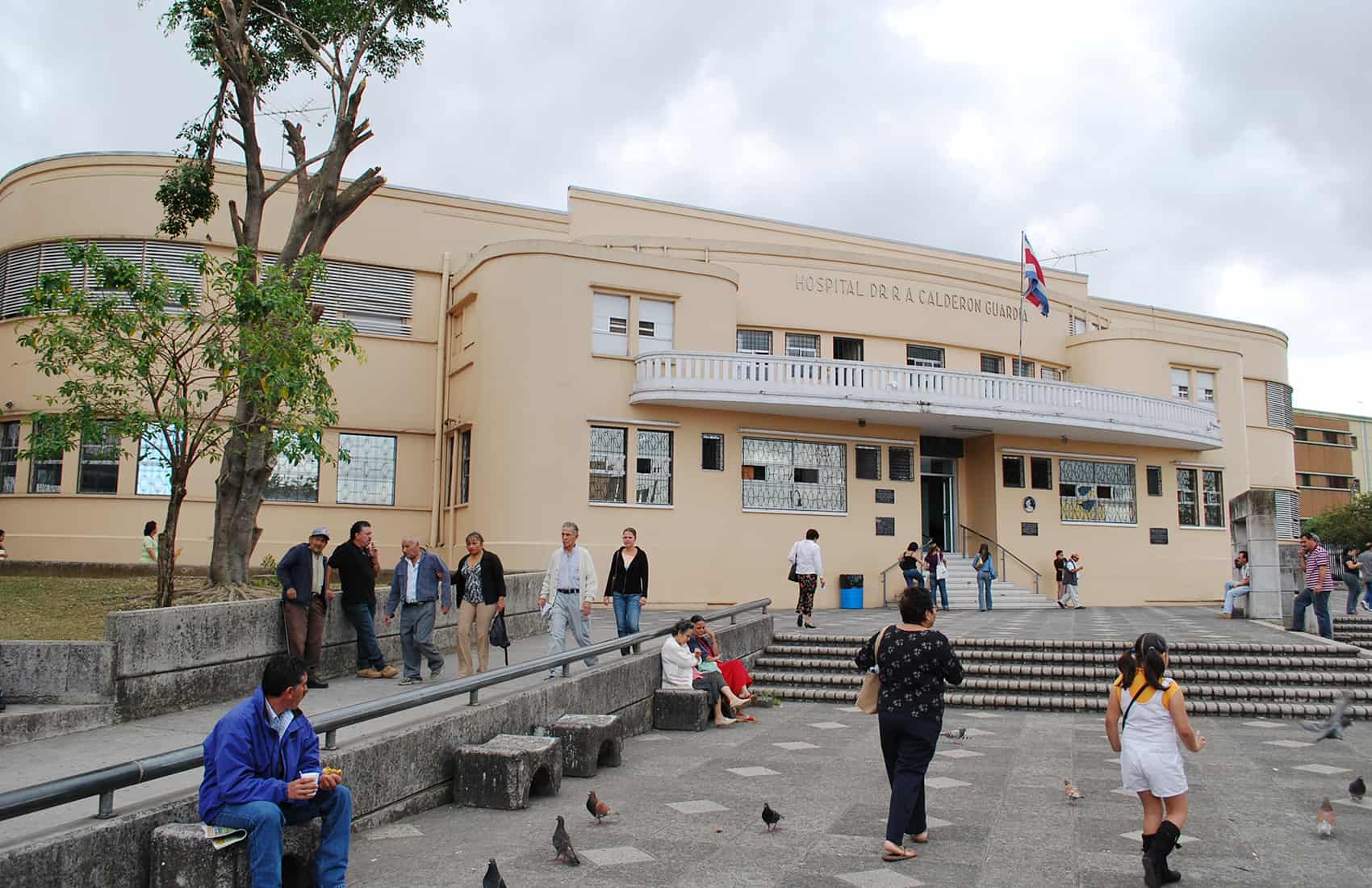
Patients at several of Costa Rica’s largest public hospitals are waiting as long as eight days for a hospital bed, with overcrowded emergency departments forcing some people to spend days in chairs, wheelchairs and hallways while awaiting surgery or further treatment. A new internal audit by the Costa Rican Social Security Fund (the Caja), reveals serious overcrowding at Hospital México, Hospital Calderón Guardia and Hospital San Juan de Dios in San José. Similar problems have been reported at regional hospitals in Heredia and Liberia, where patients and medical staff describe conditions that have become increasingly difficult to manage. The situation is particularly concerning because many of those waiting have already been examined by doctors and determined to need hospitalization. They are not simply waiting for an initial emergency room consultation. Some require surgery, specialized procedures or continued treatment, but there are not enough available beds or medical specialists to move them out of emergency departments. At San Vicente de Paúl Hospital in Heredia, officials confirmed that 75 patients were waiting for admission to hospital wards on October 27. The average wait was seven days, although some patients had reportedly remained in the emergency department for as long as eight days. At Calderón Guardia Hospital, the situation has become equally serious. Its emergency department has operated at approximately 200% of normal capacity, meaning the number of patients has reached roughly twice the space available to accommodate them. During a September inspection, auditors found around 40 patients waiting for hospital beds, another 13 awaiting specialized heart procedures and 13 more waiting for hip replacement surgery. By September 24, the number of patients waiting in the emergency department had climbed to 90. Hospital administrators say these delays can have serious consequences, particularly for older patients and people suffering from conditions that require prompt treatment. A broken hip, for example, can lead to additional complications when surgery is delayed, while untreated abdominal emergencies can quickly become life-threatening. Hospital México is experiencing similar problems. Its director reported that between 60 and 70 patients are waiting for hospitalization on a typical day, with approximately 80% having already been there the previous day. At San Juan de Dios Hospital, administrators say occupancy has remained at or above full capacity for extended periods. During a September inspection, 47 patients were waiting for inpatient beds while others remained hospitalized as they awaited specialized procedures. The crisis extends well beyond the capital. At Enrique Baltodano Hospital in Liberia, Guanacaste, patients have described spending several days in metal chairs while waiting for surgery or a hospital bed. One patient reported waiting seven days, while others have reportedly resorted to lying on the floor because there were no suitable places to rest. The conditions prompted complaints to Costa Rica’s Ombudsman’s Office, which encouraged affected patients and their families to formally report problems with the hospital’s emergency services. The CCSS has acknowledged the overcrowding in Liberia and introduced several temporary measures. These include providing 20 reclining chairs to improve patients’ comfort and opening a nine-bed short-stay unit in Cañas for patients who need hospital treatment but do not require the services of a larger facility. However, the measures do not address all the underlying problems. The internal audit identified a shortage of medical specialists, increased demand from accidents and serious illnesses, and difficulties arranging additional surgeries and specialized procedures outside normal working hours. Disagreements over the CCSS payment system for additional medical procedures have also complicated efforts to expand services. Some doctors and technical staff have declined to participate under the revised payment arrangements, limiting the number of extra procedures hospitals can schedule. The growing number of patients arriving at emergency departments has placed additional pressure on a system already struggling with long waiting lists for surgery. Across Costa Rica, approximately 211,650 surgical cases were on waiting lists, with nearly 60,000 concentrated at Hospital México, Calderón Guardia and San Juan de Dios. The audit warns that prolonged delays can increase the risk of avoidable complications and deaths when patients do not receive necessary treatment within the appropriate medical timeframe. Hospital officials have attempted to reduce the pressure by prioritizing the most seriously ill patients, speeding up discharges when medically appropriate and transferring patients to other facilities when space is available. They are also encouraging residents with minor illnesses or non-emergency conditions to seek care at local clinics, health centers or EBAIS facilities rather than going directly to major hospital emergency departments. However, people experiencing serious symptoms should still seek emergency medical attention immediately. For the hundreds of patients already waiting inside Costa Rica’s public hospitals, the immediate problem remains the same: even after doctors determine they need surgery or a hospital bed, the space and medical personnel required to continue their treatment may not be available. The audit findings place additional pressure on the CCSS to find longer-term solutions to overcrowding, staffing shortages and treatment delays across the country’s public healthcare system.
Costa Rica Hospitals Overwhelmed as Patients Wait Up to Eight Days for Treatment
Full Article
Original Source
Read the full article at Ticotimes →KhanList aggregates and links to publicly available news content. We do not host full articles from third-party sources. Always verify important information with original sources.