
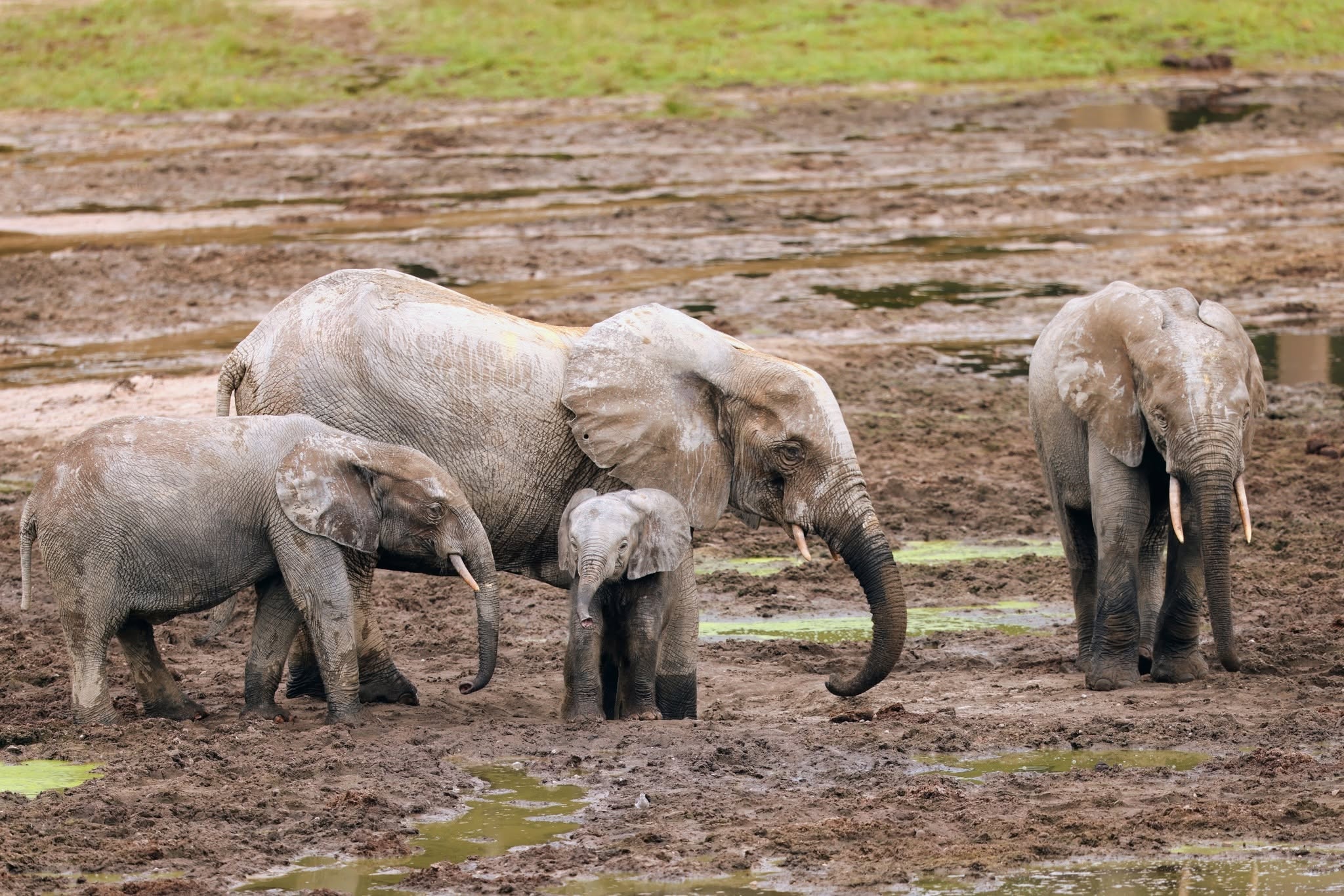
YEREVAN, Armenia — More than 80 conservation, Indigenous and civil society organizations have called on governments meeting at the COP17 U.N. biodiversity summit in Armenia to keep mining, oil and gas operations out of protected areas. “Meeting a numerical target will mean little”, if areas designated for conservation remain exposed to industrial activities, the organizations warn in a joint letter released in advance of COP17 on Oct. 2. An Oct. 8 report by Earth Insight and partners says that nearly 62 million hectares (153 million acres) of protected and conserved areas across the tropics overlap with oil and gas blocks, while mining concessions overlap with 43 million hectares (106 million acres). World leaders agreed in 2022 to protect 30% of the planet’s land and waters by 2030, a commitment known as “30×30” or Target 3 of the Global Biodiversity Framework. The signatories argue that this commitment must be achieved “not just on paper, but in reality.” Conservation officials argue that mining has no place in protected and conserved areas. “Protected areas are protected areas,” Nadège Nzoyem, WWF’s Congo Basin regional director, said in a recent interview with Mongabay. Madhu Rao, chair of the IUCN World Commission on Protected Areas, has echoed that concern, arguing that “some places are so critical that they have to be secured against extractive industries.” The head of Nigeria’s National Park Service also acknowledged in a recent interview with Mongabay the challenges posed by illegal mining and insecurity in the country’s national parks. Signatories to the joint letter include major international conservation groups such as The Nature Conservancy, BirdLife International, Natural Resources Defense Council and Rainforest Action Network, alongside smaller Indigenous, community and grassroots organizations globally. Joe Eisen, executive director of Rainforest Foundation UK, told Mongabay that “if the world is serious about delivering 30×30, it must both improve the management and integrity of existing protected areas.” Juan Carlos Jintiach, executive secretary of the Global Alliance of Territorial Communities (GATC), which represents some 36 million local and Indigenous people across 24 countries told Mongabay, “we signed this letter because 30×30 must protect biodiversity while respecting our right to decide what happens in our territories.” Governments, he said, must prevent extractive and other large-scale industrial activities, including mining, from undermining these areas. The letter underscores the signatories’ argument that conservation targets must be both ambitious and equitable. It urges governments to review existing industrial concessions, strengthen spatial planning, protect Indigenous peoples’ rights and provide adequate financing for the management of protected areas. The appeal comes as the U.N. Convention on Biological Diversity’s 2026 global report warns that, unless implementation accelerates rapidly, the world’s 2030 biodiversity targets “will not be achieved.” But U.N. Secretary-General António Guterres has previously noted that tension remains for governments, particularly in developing countries between economic development and the environment, saying the extractives sector, “has an essential role to play in advancing sustainability and equitability.” Banner image: Elephants at Dzanga Baï in the Central African Republic. Photo by Rhett Butler. Credits Topics
COP17: Open letter urges governments to keep extractives out of protected areas
Full Article
Original Source
Read the full article at News →KhanList aggregates and links to publicly available news content. We do not host full articles from third-party sources. Always verify important information with original sources.