
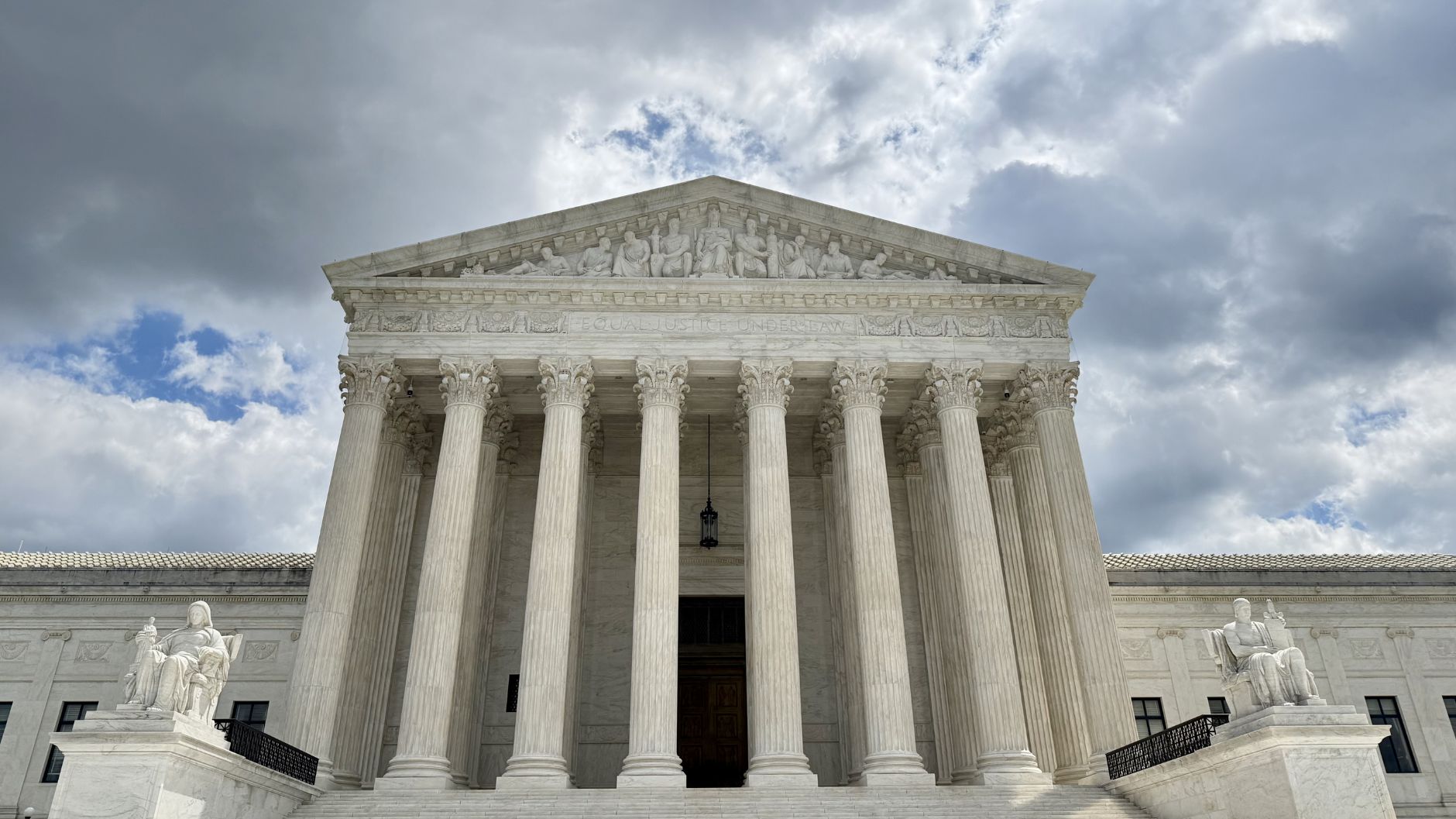
While the justices appeared open to allowing a Tennessee man’s lawsuit to move forward, it was unclear it would be successful in the long run.WASHINGTON (CN) — A Tennessee man’s fight to use Blockbuster-era privacy protections in the digital age seemed to score points at the Supreme Court on Wednesday.In 1988, Congress enacted the Video Privacy Protection Act to prevent consumers’ video viewing habits from becoming public information. Nearly four decades later, Michael Salazar asked the justices to apply the same logic after his sports newsletter subscription led to his personal information being sold to advertisers.After over an hour of oral arguments on Wednesday, the high court looked likely to agree that online subscribers like Salazar should be considered consumers under the act just like patrons of brick and mortar video stores in the 1980s.Congress enacted the Video Privacy Protection Act after a reporter published an exposé of Judge Robert Bork’s video rental history. Justice Elena Kagan, a Barack Obama appointee, said a similar scenario could play out with modern technology too.“There’s a sports site and somebody purchases a newsletter from that site and then they watch a lot of videos,” Kagan said. “Let’s say a judge does this. And then it turns out that the judge watches some pretty funky sports videos like a lot of women wrestling or something. That’s embarrassing and exactly the way Congress thought we’re passing this statute to prevent disclosure of that information.”Salazar signed up for 247Sports’ online newsletter, where he provided personal information such as his email address. Because he was logged into his Facebook account while viewing content from the site, Salazar says that 247Sports’ owner, Paramount, disclosed his information to the social media giant to be used for targeted advertising.Salazar sued Paramount for sharing his browsing information with Facebook, arguing that he fits the Video Privacy Protection Act’s definition of consumer: “any renter, purchaser or subscriber of goods or services from a video tape service provider.”Paramount argued Salazar’s reading of the Video Privacy Protection Act would turn virtually everyone into a “consumer” since video content is now ubiquitous on the internet. And companies that sell video content are often part of a larger enterprise with far-ranging lines of business.Those warnings appeared to draw concern across the bench, with several justices questioning the consequences of opening up litigation on a commonly used practice. But there was also agreement that companies could easily avoid liability by getting consent from consumers before selling their information.“The cure is pretty simple,” Justice Ketanji Brown Jackson, a Joe Biden appointee, said. “It’s not that we have to worry so much about roping in all of these businesses. They would just figure out a way to get consent from people who are watching these videos after they’ve been disclosed.”The high court’s agreement on Salazar’s status as a consumer was buttressed, however, by the court’s skepticism that 247Sports was a video service provider. And several justices worried that businesses like Chick-fil-A could be considered liable under the law because their websites used videos to sell their products.Justice Brett Kavanaugh, a Donald Trump appointee, said that what has changed since the 1980s was the type of personal identifying information being disclosed and which businesses were analogous to Blockbuster.But Salazar urged the high court to keep its eye on the ball, noting that the justices only needed to decide whether he was a consumer.Subscribe to our free newslettersOur weekly newsletter Closing Arguments offers the latest about ongoing trials, major litigation and rulings in courthouses around the U.S. and the world, while the monthly Under the Lights dishes the legal dirt from Hollywood, sports, Big Tech and the arts.Additional Reads
Consumers take early lead in Supreme Court showdown over internet privacy
Full Article
Original Source
Read the full article at Courthousenews →KhanList aggregates and links to publicly available news content. We do not host full articles from third-party sources. Always verify important information with original sources.