
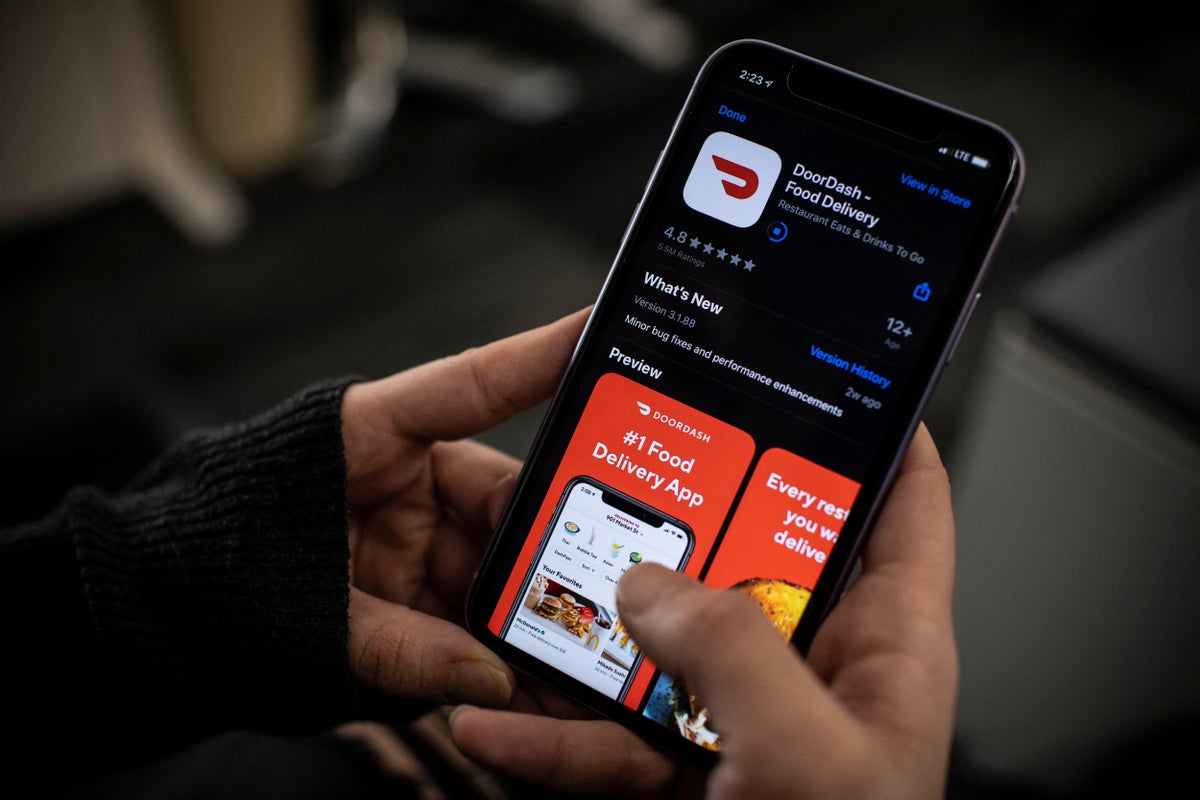
Delivery apps could soon face federal bans on unauthorized restaurant listings, arriving just as DoorDash announced a $17 billion takeover of Instacart that has already drawn sharp warnings from antitrust watchdogs.In October, lawmakers introduced bipartisan legislation in Congress to prohibit third-party food delivery services from listing restaurants on their platforms without explicit partnership agreements. The proposed measure — the Providing Real Oversight of Third-parties Executing Certain Transactions, or PROTECT, Small Restaurants Act — was introduced by Representative Susie Lee, a Democrat from Nevada. If enacted following the start of the next congressional term in 2027, the bill would require delivery platforms, such as GrubHub or DoorDash, to obtain consent before displaying a restaurant. The bill would also mandate the removal of unauthorized vendors within 10 calendar days of notification and classify unapproved listings as unfair or deceptive trade practices under the jurisdiction of the Federal Trade Commission. “Our small, independent restaurants are already struggling from razor-thin profit margins and decreased tourism rates,” Lee said in a statement announcing the legislation. “The last thing they need is big corporations hurting their reputation and making it harder for them to bring customers through their doors.”For years, independent restaurant operators have reported discovering unauthorized profiles on applications only after customers lodged complaints regarding food quality or delivery errors originating from unverified channels, Restaurant Business reported.Bipartisan legislation aims to block third-party food delivery services from listing restaurants without explicit partnership agreements (AFP via Getty Images)“That’s exactly why I introduced legislation to prohibit third-party delivery services from listing restaurants on their platforms without the restaurant’s permission,” Lee said. “Restaurants deserve peace of mind that they’re free from this harmful practice while juggling everything else that comes with owning a small business.”Though several municipalities and states, including California and New York City, have previously enacted local restrictions against unauthorized listings, federal regulations governing the practice have not existed.Amid the legislative push, DoorDash announced an agreement to acquire Instacart for $65 per share Thursday, valuing the transaction at approximately $17 billion. The deal combines DoorDash’s logistics and delivery network with Instacart’s grocery fulfillment technology and enterprise tools for retailers.DoorDash’s proposed $17 billion acquisition of Instacart would combine logistics networks with grocery fulfillment technology, targeting a close in late 2027 or early 2028 (Getty Images for DoorDash)The proposed merger immediately drew pushback from antitrust advocates. The American Economic Liberties Project urged federal regulators to block the transaction over concerns that the combined entity would control nearly 60 percent of the third-party grocery delivery market.“Instacart and Doordash have spent the better part of a decade bullying main street businesses and denying fair pay and benefits to their combined 9 million workers,” said Lee Hepner, Senior Legal Counsel at the AELP, in a statement. “This merger represents the next frontier of data-driven abuse, exploiting massive asymmetries of power to squeeze worker compensation on the way in and drain consumer wallets on the way out.”Executives from both companies defended the merger as a way to support independent merchants. “Grocery is one of the hardest things to get right online,” Tony Xu, co-founder and CEO of DoorDash, said. “Someone has to pick a ripe avocado, find a substitute you’d choose yourself, and get the ice cream to you before it melts. Together, we could give stores of every size more of those tools and unlock the potential of grocery delivery.”Antitrust advocates are urging regulators to block the DoorDash-Instacart merger over concerns that the combined company would control nearly 60 percent of the third-party grocery delivery market (Getty Images)Chris Rogers, CEO of Instacart, said the move would expand capabilities for retail partners. “When our purpose-built grocery technology and trusted retailer and brand relationships are combined with DoorDash’s global consumer reach and logistics capabilities, we can create new opportunities for our retail and brand partners, offer an even better experience for customers and shoppers, and deliver compelling value for our shareholders,” Rogers said.Under the terms of the agreement, the Instacart brand and application will remain active post-closing, and retail partners will retain the option to collaborate with other delivery platforms. The transaction is projected to close in late 2027 or the first half of 2028, pending approval by Instacart shareholders and regulatory clearance from antitrust authorities in the United States, Canada and Israel.
Congress looks at banning delivery apps from listing restaurants without permission
Full Article
Original Source
Read the full article at Independent →KhanList aggregates and links to publicly available news content. We do not host full articles from third-party sources. Always verify important information with original sources.