
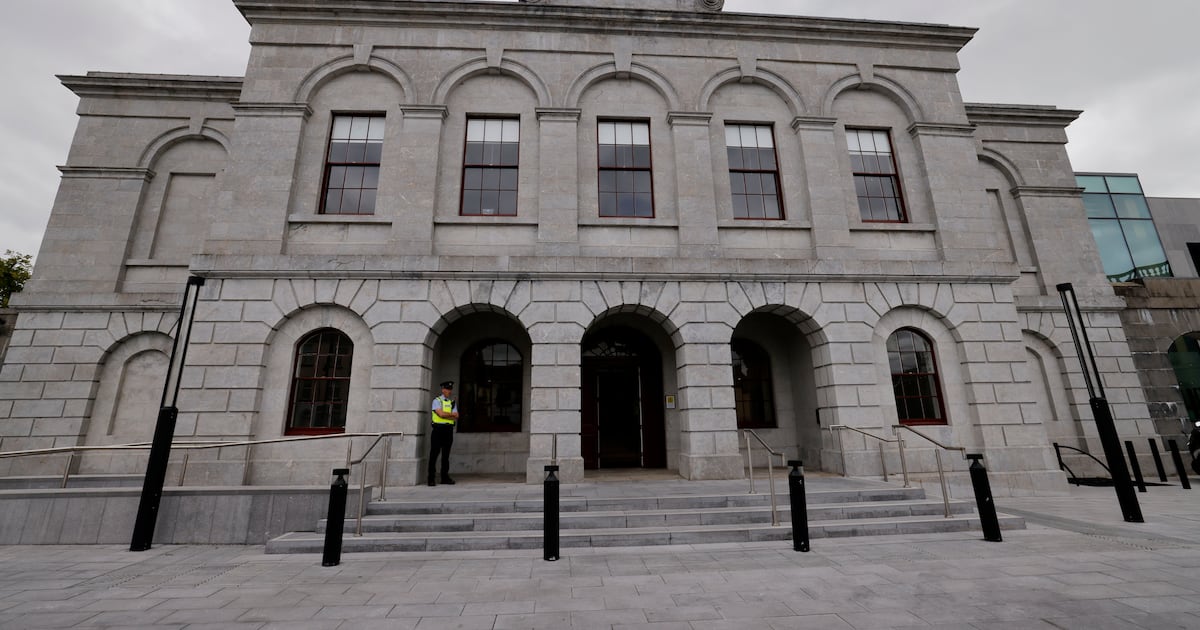
Dozens of criminal legal aid cases were adjourned at a midlands district court on Thursday due to the withdrawal of services by criminal solicitors involved in the legal aid payment dispute. At Mullingar District Court, Judge Patricia Cronin adjourned the cases, noting the effect of the withdrawal.The dispute between criminal solicitors and Minister for Justice Jim O’Callaghan over the rate of pay for free legal aid work has been continuing since O’Callaghan implemented the new system of a flat €520 fee per case. Under the previous system, solicitors received €240 for a first appearance and €60 thereafter, with some complex cases requiring a large number of hearings. The sense of confusion created by the dispute was evident at Mullingar, with a number of defendants, including non-nationals, appearing with no representation and apparently not knowing what free legal aid meant. READ MOREOne case involved a young Polish man who appeared before Cronin on “serious matters”, according to the judge. When asked by Cronin if he had a solicitor, he replied: “No, I’m alone.” When she further asked if he would like to apply for free legal aid, he replied, “what is that?” with the judge going on to explain the scheme to him.The young man, who earns €550 a week and who gives half of this to his mother, with whom he lives along with his brothers, was granted a certificate for free legal aid by Cronin.She told him that due to the dispute she was putting his case back and encouraged him in the meantime to seek legal advice as the alleged offences he faces may have “consequences” for him going forward. [ Taoiseach dismisses call for mediator in criminal legal aid disputeOpens in new window ]On Thursday the judge reminded those present on a number of occasions that it was the practice of the court to grant legal aid to suitable applicants without assigning a solicitor until one was in a position to come on record. When assessing eligibility for legal aid, Cronin asked applicants if they were working or in receipt of social welfare and how much their income was. Some of the free legal aid cases involved the appearance of defendants who were on bail, with the judge remanding them in custody on continuing bail to appear again in court, sometimes on a date as far away as December. In one case neither the defendant nor his solicitor were present in court; Cronin adjourned the case, with the State to notify the solicitor or the defendant of the next court date. One defendant who wished to have his case dealt with on the day did not apply for legal aid and entered a guilty plea to having €50 worth of cannabis for his own personal use. Cronin took into account his personal circumstances including that he has one dependent, that he pays €1,000 in rent and that his weekly income from his job is €750. She imposed a fine of €150 to be paid within three months.Whereas initially the solicitors’ strike was widespread, this resolve appears in some areas to be coming under strain. It has been reported that solicitors in counties Clare and Laois have formally concluded their strike, with criminal legal aid certificates being granted to solicitors in counties including Louth, Waterford, Limerick, Carlow, Tipperary and Kilkenny, but with the overall certificate numbers well below usual levels. People appearing before the courts over alleged criminal offences have a constitutional right to legal advice, including the right to a solicitor, even when they do not have the means to pay.
Confusion and delays at district court as criminal legal aid dispute drags on
Full Article
Original Source
Read the full article at Irishtimes →KhanList aggregates and links to publicly available news content. We do not host full articles from third-party sources. Always verify important information with original sources.