
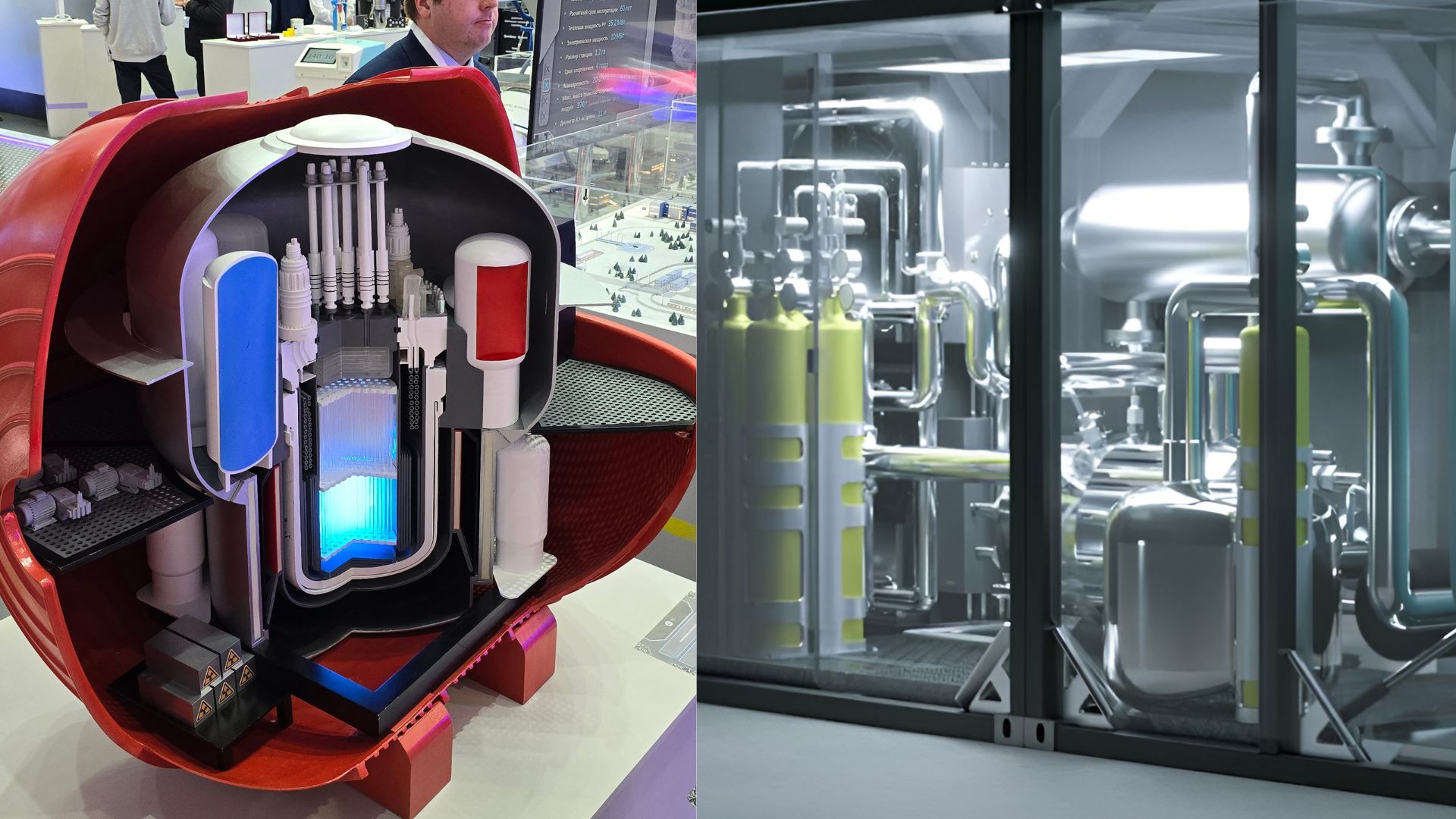
Apollo Atomics has raised $31 million in seed funding to push its compact nuclear reactor technology toward commercial deployment. The Cambridge, Massachusetts-based startup spun out of MIT and has backing from Y Combinator. It plans to use the funding to test its reactor technology, expand manufacturing, and advance regulatory approvals. Apollo is developing a new generation of pressurized water reactors, the technology behind most operating nuclear plants in the United States. Its approach focuses on redesigning the steam generator, one of the largest and most complex parts of a conventional nuclear system. Shrinking massive system Traditional nuclear plants often require years of construction and billions of dollars in investment. Their size also makes factory manufacturing difficult. Apollo wants to change that equation. Engineers at the startup developed a compact steam system that packs substantially more power into a smaller space. Apollo says its design could achieve roughly ten times the power density of conventional systems. That reduction could dramatically shrink the reactor’s physical footprint. Apollo estimates its overall system could occupy about one-fortieth the space of a conventional design. The smaller architecture could also change how reactors reach deployment sites. Instead of assembling every major component at a construction site, Apollo plans to manufacture key systems in factories. The equipment could then travel by truck. Apollo believes that approach could reduce deployment timelines to less than two years. The startup has already built and tested a reactor-system demonstrator at MIT’s Department of Nuclear Science and Engineering. That work has allowed engineers to study the hardware under conditions intended to resemble commercial reactor operations. Familiar technology, new hardware Apollo has avoided developing an entirely new nuclear fuel cycle. Its reactors will use commercial-grade, low-enriched uranium and other technologies familiar to the existing pressurized water reactor industry. A new reactor design still faces major regulatory hurdles, however. Apollo submitted a regulatory engagement plan to the U.S. Nuclear Regulatory Commission earlier this year. It now seeks authorization by the end of 2026 for its selected fuel configuration. Apollo says that configuration has already reached criticality at full power. The startup’s broader reactor lineup targets several different power requirements. Apollo plans to offer the 10-megawatt A-10, 50-megawatt A-50, and 300-megawatt A-300. Those systems could supply electricity to data centers, industrial facilities, utilities, and other large power users. Demonstrator comes next The new financing will fund Apollo’s next major hardware project, called the A-1. That facility will serve as a one-megawatt commercial demonstrator and provide longer-duration reliability testing. Apollo is betting that established PWR technology can offer a shortcut. Its engineers are not trying to reinvent every part of a nuclear power plant. Instead, they are concentrating their engineering effort on the hardware that determines much of the system’s size and complexity. The $31 million round gives Apollo more runway to test whether that approach can survive the transition from laboratory hardware to commercial nuclear infrastructure. Get the latest in engineering, tech, space & science - delivered daily to your inbox.Aamir is a seasoned tech journalist with experience at Exhibit Magazine, Republic World, and PR Newswire. With a deep love for all things tech and science, he has spent years decoding the latest innovations and exploring how they shape industries, lifestyles, and the future of humanity.
Compact nuclear reactor with 40-fold smaller footprint bags $31M to deploy in two years
Full Article
Original Source
Read the full article at Interestingengineering →KhanList aggregates and links to publicly available news content. We do not host full articles from third-party sources. Always verify important information with original sources.