
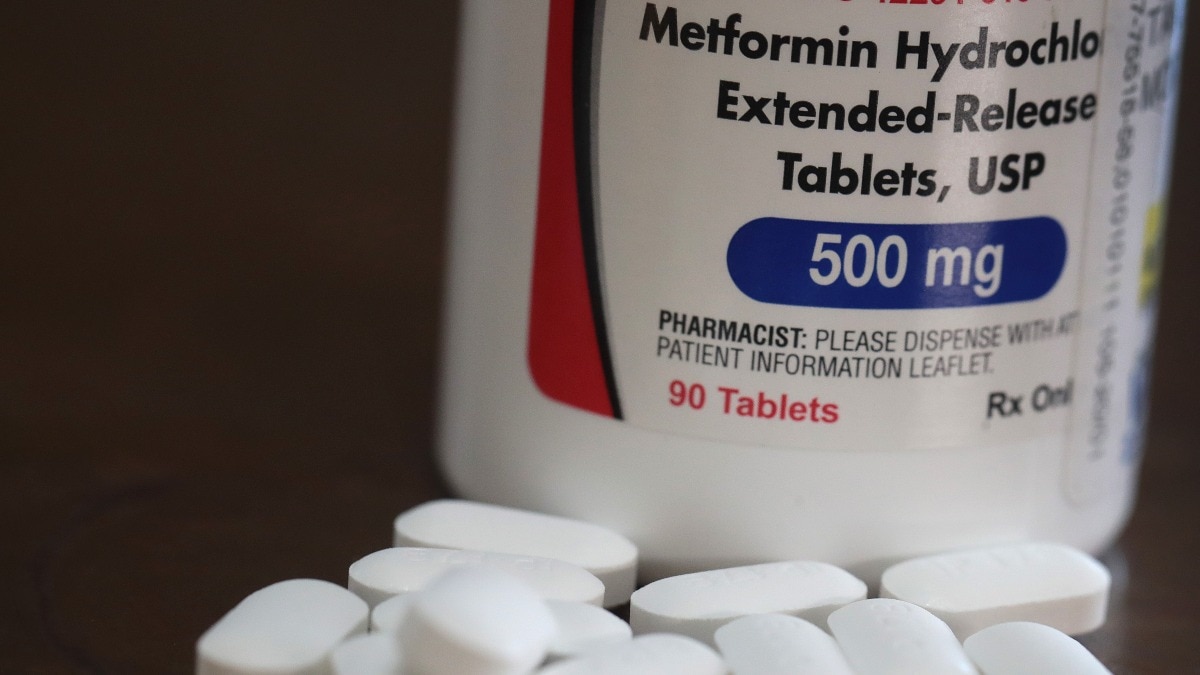
The US FDA has approved a landmark trial to assess metformin's anti-ageing role. Doctors say the interest is promising, but healthy people should wait for clinical evidence.Once known simply as an inexpensive, first-line treatment for type 2 diabetes, metformin is increasingly being discussed in an entirely different context: healthy ageing. Scientists, clinicians and longevity researchers are exploring whether the decades-old drug could delay the onset of age-related diseases, fuelling interest that extends well beyond people living with diabetes.The excitement is being driven by a growing body of laboratory research, observational studies and the launch of the landmark Targeting Aging with Metformin (TAME) trial in the US.Yet experts stress that despite encouraging findings, there is still no conclusive clinical evidence to recommend metformin, a drug used in managing diabetes over the last 60 years, as an anti-ageing medication for healthy people.Interestingly, the new promises come on the back of medicine's other crucial potential – of reducing the risk of certain cancers – which appeared on the horizon as a bright light but didn't hold for long. While some observational and epidemiological studies had shown that patients with type 2 diabetes taking metformin have a lower risk of certain cancers, like malignancies of the liver, pancreas, and colon, and lower cancer mortality – these could not be proven in large randomised controlled trials.OLD DRUG, NEW PROMISEMetformin has long been the standard first-line treatment for type 2 diabetes because it improves the body's sensitivity to insulin and helps lower blood glucose levels. Over the past decade, researchers noticed something unexpected: people with diabetes taking metformin often appeared to enjoy health benefits beyond blood sugar control, including lower rates of certain age-related diseases and, in some studies, even longer survival than people without diabetes. These observations have prompted scientists to investigate whether metformin targets some of the biological processes associated with ageing itself."Beyond its role in diabetes, metformin has also gained attention due to the finding that patients taking it for type 2 diabetes do not only achieve blood glucose improvements but also exhibit health benefits that surpass the intended use," said Dr Niraj Kumar, internal medicine specialist at ShardaCare-Healthcity in Greater Noida.He explained that laboratory studies and observational research suggest metformin may reduce chronic inflammation and insulin resistance while improving cellular pathways linked to healthy ageing.However, these findings are yet to be confirmed in large, definitive clinical trials involving healthy individuals.LANDMARK TRIALThe biggest effort to answer that question is the TAME trial, regarded as one of the most ambitious longevity studies ever planned.The trial has secured agreement with the US Food and Drug Administration (USFDA) on its study design, making it the first major clinical trial specifically designed to evaluate whether a medicine can target the biology of ageing rather than a single disease.Instead of measuring lifespan directly, researchers will examine whether metformin can delay or reduce the onset of multiple age-related conditions, including cardiovascular disease, cancer, dementia and other chronic illnesses.However, the study has faced repeated delays. One of the biggest hurdles has been funding. Because metformin is a decades-old generic medicine that costs very little, there is limited commercial incentive for pharmaceutical companies to invest the estimated $45-70 million required to complete the trial.Importantly, while the FDA has agreed to the trial design, metformin has not been approved as an anti-ageing drug.Researchers believe the TAME trial could reshape how ageing itself is viewed in medicine if it demonstrates that a single intervention can delay several age-related diseases simultaneously.PROMISE WITH CAUTIONThe growing interest has also sparked public curiosity, with longevity enthusiasts increasingly discussing metformin alongside lifestyle interventions such as exercise, nutrition and adequate sleep.Dr Navin Gnanasekaran, head of radiology at Apollo Hospitals, Chennai, and author of The 100 Year Blueprint, believes the drug currently stands out among medicines being explored for longevity."There is a significant body of evidence that is emerging that says the cheapest longevity drug that people can take is metformin," he said, while adding that it should only be taken "on a doctor's advice."He noted that the medicine improves insulin sensitivity by making cells more responsive to insulin, a mechanism believed to play an important role in slowing some biological processes associated with ageing.He also pointed to its use in conditions such as polycystic ovary syndrome (PCOS), where improving insulin resistance forms an important part of treatment.Dr Gnanasekaran also argued that metformin appears to have stronger evidence than berberine, a plant-derived compound often marketed as a natural alternative.While berberine is sometimes described as "nature's metformin", he said it may be associated with more side effects and currently lacks comparable clinical evidence for longevity.HITTING CELLULAR ENERGY CENSORScientists say metformin's potential anti-ageing effects may stem from its influence on several cellular pathways linked to ageing. The drug activates AMPK, an enzyme that acts as a cellular energy sensor, while reducing insulin and insulin-like growth factor-1 signalling, pathways that have been associated with slower ageing in animal studies.Human evidence has also generated interest. Observational research from the UK's Clinical Practice Research Datalink found that people with diabetes taking metformin appeared to outlive even some non-diabetic individuals, a finding that surprised many researchers.Earlier, the landmark UK Prospective Diabetes Study (UKPDS) had already demonstrated that metformin reduced diabetes-related complications and mortality.Even so, experts caution against interpreting these findings as proof that healthy people should start taking the medicine to extend lifespan."There is no evidence from clinical trials to justify advising metformin to enhance longevity in the general public," Dr Kumar cautioned.He emphasised that current studies are focused on determining whether metformin can reduce the incidence of age-related diseases rather than directly increasing lifespan.The distinction is important because ageing research increasingly aims to improve the number of healthy years people live, rather than simply extending life expectancy.Doctors also caution that metformin is a prescription medicine with well-recognised side effects. Common adverse effects include gastrointestinal discomfort, while prolonged use may contribute to vitamin B12 deficiency. Rarely, the drug can cause lactic acidosis, a serious medical complication, particularly in people with certain underlying conditions.For that reason, physicians strongly advise against self-medicating based on headlines or social media discussions about longevity.Until stronger evidence emerges from ongoing trials such as TAME, experts say the most reliable strategies for healthy ageing remain remarkably familiar: maintaining a balanced diet, exercising regularly, getting adequate sleep, avoiding smoking, and effectively managing chronic conditions such as diabetes, hypertension and obesity.- EndsPublished On: Aug 8, 2026 08:00 IST
Common diabetes drug's big anti-ageing promise
Full Article
Original Source
Read the full article at Indiatoday →KhanList aggregates and links to publicly available news content. We do not host full articles from third-party sources. Always verify important information with original sources.