
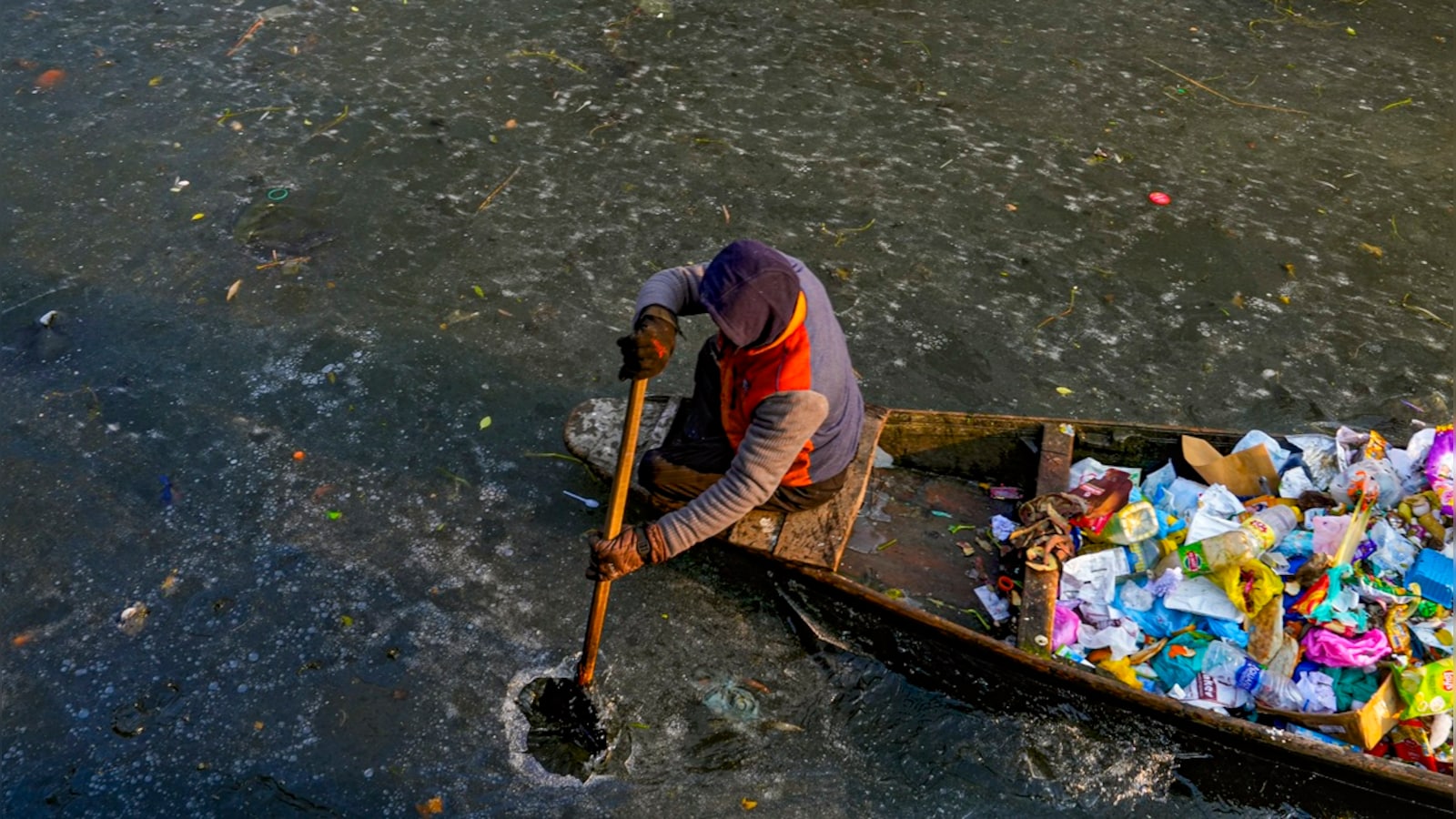
Srinagar: The cold has tightened its grip on Kashmir, with Srinagar recording the coldest night of the season at minus 2 degrees Celsius. Weeks before the onset of Chilla-i-Kalan - the 40-day harshest phase of winter beginning on December 21 - the Valley is already experiencing a sharp dip in temperatures, prompting people to prepare for a prolonged winter. Traditional winter essentials such as the Kangri (earthen fire pot), Pheran (traditional woollen cloak) and heating gadgets have made a comeback.With the cold wave expected to intensify in the coming days, the government has announced a winter break for schools in the Valley from November 30.According to the Meteorological Department, Srinagar recorded a minimum temperature of minus 2 degrees Celsius, while Pahalgam settled at minus 2.8 degrees, Qazigund at minus 3.5, Kupwara at minus 1.5 and Konibal at minus 3 degrees Celsius.The cold wave is also beginning to transform Kashmir's landscape. In the higher reaches of the Valley, shallow stretches of lakes and streams are starting to freeze, a common sight during the winter months.Sub-zero temperatures often disrupt daily life. Frozen water pipes and taps remain a recurring problem during winter, leaving many households without water supply in the mornings.The arrival of winter also triggers a seasonal migration, with thousands of families moving to Jammu, Delhi and other warmer parts of the country to escape the harsh winter.For many Kashmiris, preparing for winter is as much a tradition as a necessity. Besides arranging heating gadgets such as Kangris and hamams, households switch to woollen clothing and cover windows with plastic sheets and thick curtains to keep out the cold.Markets are witnessing a surge in demand for woollen clothes, blankets, thermal wear, heaters as people stock up for the season. In the past, families also stored large quantities of groceries and other essentials due to frequent road closures caused by heavy snowfall. This practice is now largely confined to remote areas that remain cut off during winter.Improved road connectivity, the all-weather Srinagar-Jammu national highway and the deployment of snow-clearance machinery have significantly reduced winter hardships.Despite improvements in power supply, the gap between demand and availability during peak winter remains a major concern. Officials said around 1,800 MW of electricity is currently being supplied to consumers in the Kashmir Valley compared with about 1,300 MW during summer."The electricity demand rises sharply during winter. We have already augmented power supply to the Valley but as temperatures fall further, demand increases significantly,'' a senior official said.During peak winter, Dal Lake and several other water bodies partially freeze. While the phenomenon attracts tourists, it makes life difficult for those dependent on the lake for their livelihood. Every morning shikarawalas break thin layers of ice to clear navigation routes for their boats.The MeT Department has forecast dry weather till next week. Two Western Disturbances are expected to affect Jammu and Kashmir between December 4 and 10, bringing snowfall to higher reaches and rain to the plains.With temperatures already dipping below the freezing point weeks before Chilla-i-Kalan, the Valley appears headed for a long and harsh winter.
Cold Tightens Grip On Kashmir As Srinagar Records Season's Coldest Night
Full Article
Original Source
Read the full article at Ndtv →KhanList aggregates and links to publicly available news content. We do not host full articles from third-party sources. Always verify important information with original sources.