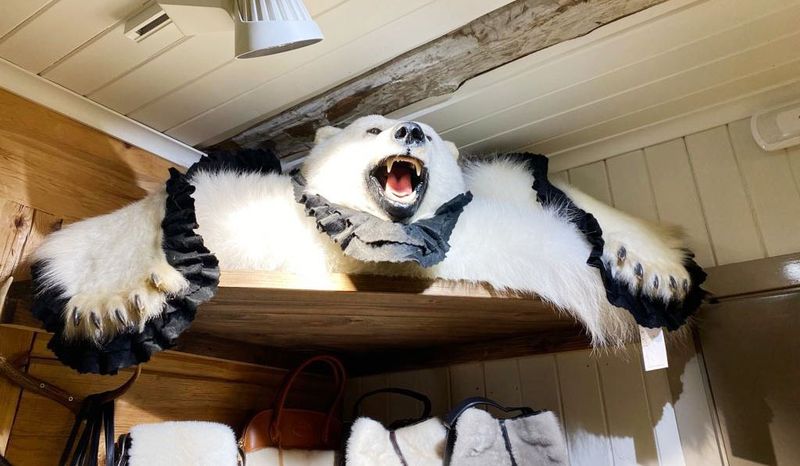
Polar bears: A symbol of the climate crisis and extinctionFor years, polar bears have been portrayed as global symbols of the climate crisis and wildlife extinction, and as a result, are widely assumed to be intensely protected.But the 2025 release of Trade Secret, a nine-time award winning documentary, has shattered this assumption by exposing a legal, global trade in polar bear products by the very organisations claiming to protect the species. This isn’t just a documentary about threats to polar bears; it challenges conservation orthodoxy that relentlessly defends the exploitation of wildlife in the name of commercial gain.Directed by Abraham Joffe, Trade Secret follows the investigations of three conservation advocates (Dr Adam Cruise, Iris Ho and Ole J Liodden) exposing the true magnitude of the commercial trade of polar bears and the sanctioned sale of polar bear products on the global market. Over six years and across nine countries, their investigations slowly unravel more than just the extent of the trade. They reveal that the organisations most invested in the bears’ continued commercialisation are the same ones we believe are entrusted with their protection. Most importantly, and urgently, Trade Secret interrogates the ways in which endangered species are exploited under the guise of protection.The film reveals a disturbing reality: each year, hundreds of polar bear skins and products enter the global market and this very trade persists despite these animals being listed as vulnerable by the International Union for Conservation of Nature (IUCN) amid persisting climate pressure.The documentary Trade Secret investigates the sale of hundreds of polar bear pelts around the globe every year, and uncovers how some authorities want the trade to continue despite urgent threats faced by polar bears. (Photo: Trade Secrets) A warehouse in Bergen, Norway, where investigators discovered shelves filled with polar bear heads and pelts. (Photo: Trade Secrets) Many might assume that CITES is a conservation summit, but at its core CITES is focused on the continuation of wildlife trade and not species protection. Parties from around the world come together to determine to what extent species can be traded before their survival is definitively threatened.The trade in polar bears has been raised several times at CITES conventions. Canada opposed global efforts to uplist polar bears under Appendix I in 2010 and 2013, effectively preventing any protection from commercial trade in the species. Not long after, in 2019, Nunavut, home to most of Canada’s polar bears, adopted a management plan that increased the number of breeding-age females to match the number of males that could be hunted. This spells disaster for polar bear populations. Killing breeding-age females has severe knock-on effects, including disrupting population dynamics and removing current and future offspring from an already at-risk population, effectively putting polar bears at risk of further population decline, or worse, population collapse.Following this decision, December 2023 saw a formal warning issued by the IUCN Polar Bear Specialist Group cautioning that current trends would soon qualify polar bears for increased protection under Appendix I, but the burning question remains: why continue commercial trade and allow populations to plummet far enough to warrant even more urgent action when protective steps could be taken now?Conservation or commerce?Cruise’s work has focused extensively on critiquing the premise of sustainable use in trophy hunting and wildlife trade. His investigations have long addressed institutional conservation failures in CITES processes, trophy hunting debates and global trade in live wildlife and their products, particularly lions elephants and rhinos. His investigations in Trade Secret draw a disturbing parallel between African wildlife trade and the exploitation of polar bears, highlighting the repetition of these patterns globally.Dr Adam Cruise is an investigative environmental journalist, author and academic specialising in the drivers behind the global wildlife trade. (Image: Trade Secrets) Cruise argues that sustainable use models are used to justify trophy hunting and wildlife trade under the guise of conservation through the oft-used slogan “if it pays it stays”. But his debates demonstrate that wildlife management through this model euphemistically functions as market access and is subject to political motivation and outdated science. He explicitly rejects notions of sustainable use as archaic, unethical and unprogressive.With a global polar bear population of only 22,000 to 31,000, two-thirds of which occur in Canada, killing hundreds of polar bears each year risks pushing an already vulnerable species to the brink. An average of 150 polar bear hides are sold annually, for about $60,000 each, only to be used as decorative rugs and fashion pieces.Proponents of sustainable use will claim that hunting and trade are based on rigorous science, but for more than half of the 20 recognised polar bear subpopulations across the Arctic, there is insufficient or outdated population data. The climate crisis is well established as a severe threat, and yet avoidable pressures like commercial trade and trophy hunting persist.A taxidermy polar bear on display in a souvenir shop in Bergen, Norway. Legal trade persists despite severe threats to polar bear survival. (Photo: Trade Secrets) One moment in the documentary that stands out is undercover footage of Cruise entering a warehouse filled with 300 to 400 full bear skins. He describes it as one the most horrific sights he has witnessed, exceeding even that of ivory stockpiles in South Africa. But this moment is not only emotionally fraught – it exposes the sheer scale and normalisation of polar bear exploitation. Shockingly, it reveals a disconnect between public perception of polar bears as fiercely protected and the reality of their commodification.Trade regulations versus protectionAfter several failed attempts to have polar bears uplisted to Appendix I under CITES regulations, Trade Secret demonstrates the uncomfortable truth that CITES is designed to regulate (and protect) trade in endangered species and not prevent it. More worryingly, the film exposes that these decisions are significantly shaped by vested interests and not just science. For polar bears, their survival will continue to be pushed to the limit due to political resistance from countries like Canada and Norway.A taxidermy polar bear on display in a souvenir shop in Bergen, Norway. Legal trade persists despite severe threats to polar bear survival. (Photo: Trade Secrets) Polar bears may feel far removed from the immediate experiences of the majority of the world’s human population. It’s a species that is more symbolic than tangible to most. But, this does not make their plight any less important on a global scale. The continued fight to increase protection for polar bears echoes similar wildlife trade debates here in South Africa. The same narratives of sustainable use are mirrored in the heated arguments currently under way around trophy hunting and captive breeding of South Africa’s equally iconic species, such as elephants and lions.For this reason, Trade Secret represents a broader shift in the growing scrutiny of market-based conservation and an urgent need to rethink existing conservation frameworks built on outdated models and notions of extrinsic value. To continue exploitation under uncertainty serves only to prioritise commercial interest over genuine species conservation and all of its associated impacts on broader biodiversity protection.A critical question for polar bears (and other endangered species) remains unanswered: will we move towards comprehensive species protection or simply manage for decline? DMVisit the Trade Secret website to learn more about the film and upcoming screenings, and to watch the trailer.Award-winning documentary Trade Secret earned critical acclaim at its South African premiere in Cape Town on 17 April.
COLD REALITY OP-ED: Trade in polar bears: Film reveals shocking exploitation hidden behind ‘sustainable use’
Full Article
📰 Original Source
Read full article at Dailymaverick →KhanList aggregates and links to publicly available news content. We do not host full articles from third-party sources. Always verify important information with original sources.