
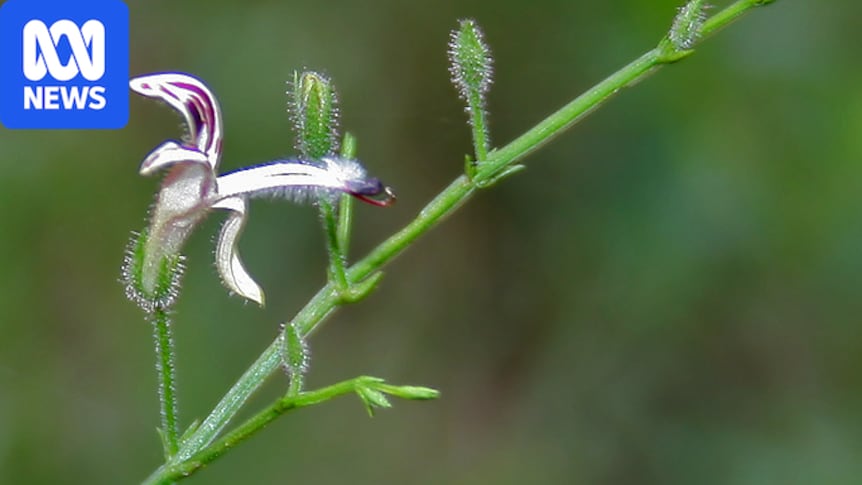
A herb linked to anaphylaxis and other severe allergic reactions will no longer be available in certain over-the-counter cold and flu supplements.The Therapeutic Goods Administration (TGA) has announced it is removing Andrographis paniculata (Andrographis) from a list of ingredients allowed in medicines that pose a low safety risk to consumers.The herb has been used in Indian and Chinese traditional medicine for conditions like the common cold and influenza and to boost immunity.It is a key ingredient in dozens of supplements available in Australia at pharmacies and health food stores.Andrographis paniculata, known as the King of Bitters, is used in Indian and Chinese medicine. (Supplied: J.M.Garg)"The TGA has decided to remove Andrographis paniculata (Andrographis) from the Permissible Ingredients Determination," the TGA said in a statement."The TGA considers that delaying implementation of this change would likely pose an imminent or serious risk of injury to consumers."The regulator carried out a consultation on whether further action would be taken after previously requiring companies to apply warning labels to bottles of products containing Andrographis.The TGA has so far received 1,468 reports of adverse reactions to 90 medicines containing Andrographis.A fatality was reported in June 2024.The types of allergic reactions range from anaphylaxis and nerve and immune system disorders to urticaria, such as hives.The TGA said it would soon recommend companies take voluntary action that may include recalling their medicines containing the herb, working with manufacturers to stop production and cancelling their listing on the Australian Register of Therapeutic Goods (ARTG).If this does not happen, the TGA will take further action from mid-October."If sponsors do not take timely voluntary action, the TGA will assess whether any of these medicines need to be compulsorily recalled, or their listing in the ARTG cancelled," the TGA said. "Consequently, some or all listed medicines containing Andrographis may become unavailable in Australia."BioCeuticals is one of the companies that sells products containing Andrographis, which includes ArmaForce (30, 60 and 120 tablets) and BioCeuticals Clinical Immune Force."The health and safety of consumers is our highest priority," BioCeuticals said in a statement. "We have ceased releasing stock for supply and are engaging with the TGA as a priority on the appropriate next steps for affected products including voluntary withdrawal from the market, in line with the TGA's guidance."It said it would be updating consumers throughout the process.Connie Katelaris has been urging the TGA to restrict access to the herb. (ABC News: Jerry Rickard)Pressure to actConnie Katelaris, a professor of immunology and allergy at Western Sydney University, has conducted extensive research on Andrographis and has been urging the TGA to take action."I'm very pleased to see this announcement and of course I think it's the correct announcement because there have seen thousands of reports of adverse events with Andrographis," Professor Katelaris said."It's good that the TGA has now taken action to protect the public."She said immunologists were well aware of the risk posed by the herb."Myself and my colleagues have seen many cases now of people who have ingested this on the promise that it helps to boost their immune system and help them fight off particularly respiratory infections," she said."We've had several cases of patients having the most severe form of allergic reaction, that is anaphylaxis … and these are just the people who come forward to specialists."Professor Katelaris said she had heard many people believe products containing the herb helped them recover from colds and flus."Most people get over mild respiratory illnesses by themselves very quickly; boosting the immune response is a furphy in my books," she said."It always hinged on risk versus benefit as far as this was concerned and I think we have enough data to suggest that the risk far outweighs any benefit."Lifelong impactsCarmen Wells is one of the hundreds of people who have reported an adverse reaction after taking a product containing Andrographis.She was diagnosed with drug-induced autoimmune hepatitis, and her doctors believe it was linked to the supplement.Carmen Wells is one of hundreds of people who has reported an adverse reaction after taking a product containing the herb. (ABC News: Jerry Rickard)"It's a great development and it shows that they've listened to people's concerns about it," Ms Wells said."Hopefully the companies will consider really quickly what that looks like with the products that they have on the shelves already that contain Andrographis."It really lends to recognising that this [herb] is a problem."The companies [are] going to see an impact on them but it's really important that people's health is considered."The TGA is advising consumers to reconsider using products containing the herb "given the unpredictable and potential fatal risk of anaphylaxis associated with its use".It said retailers selling the products should work with the companies on specific actions, such as removing the products from shelves.Andrographis will still be available in registered medicines, which are those that the TGA assesses for "safety, quality and effectiveness".Complementary Medicines Australia (CMA) has also released a statement calling the decision to ban Andrographis "disappointing" for those who rely on these products. "Every adverse reaction matters. But all medicines carry risk and what matters is how those risks are best managed," CMA said.
Cold and flu supplements containing controversial herb to face recall
Full Article
Original Source
Read the full article at Abc →KhanList aggregates and links to publicly available news content. We do not host full articles from third-party sources. Always verify important information with original sources.