
“Neighbors” is Rappler People section’s space for community and human interest stories told in a personal way. PANGASINAN, Philippines – There are moments during the field work with University of Santo Tomas (UST) student researchers that made me stop and think about the lack of social justice in this part of the world. This is a story about one of those moments. We agreed not to film the encounter that I am about to narrate regardless of how tempting it was to capture the drama of the situation. Lest you forget, we are researchers, not content creators. We are after the truth, not validation. The scene I am referring to is that of Gabrielle (interviewer) and Rina (interviewee). Please note that I am not using the real name of the respondent to protect her privacy. The women are about the same age, but they were born in two separate social classes. Gabrielle is studying at UST, whereas Rina was forced to stop schooling to prioritize her work as a canteen staff in Urdaneta City. Gabrielle is busy chasing her dreams, studying culinary arts in the oldest existing university in Asia with the help of some of the country’s best academicians. Meanwhile, Rina is busy trying to survive. She works so that she could help feed her mom, dad, and siblings. If Gabrielle is reaching for her brightest stars, Rina only wants to survive. In this economy, Rina surely knows how to be realistic. Maybe her only prayer right now is to have electricity in their house one day. “Kung nakaluwag-luwag (once we can afford it),” as old people say. The sight was heart-wrenching, to say the least. On October 3, we made our way up the hill to Rina’s house, where her family lives. By the time we arrived, the sun was already giving way to darkness. The family cannot afford electricity, so darkness is simply not the absence of light inside their house. It is part of their everyday life. At night, the family has only the stars and a few solar-powered lights to illuminate their home. Using Rina’s surroundings as a backdrop, you can almost hear Coldplay’s “Yellow” or Joey Ayala’s “Buwan, Buwan” playing. We interviewed the family after sunset. We watched as darkness slowly enveloped the house, as insects and animals began announcing their presence nearby. Perhaps, they are nature’s natural sensors, knowing the arrival of strangers. Their sounds may mean welcome. Or threat. The transition from day to night has a strange effect on someone’s psyche when you are in the wild, especially in unfamiliar terrain. As a probinsiyano (man from the province), I found it strangely comforting. For my five companions, however, it was a different story. They came from the brightest metropolis in the country. I could sense how tense they were throughout the entire ordeal. Pero, in fairness, hindi nagpatinag ang mga estudiyante ng USTe. Dala-dala nila ang mga flashlights ng kani-kanilang iPhone para suungin ang dilim. Nagmukha kaming mga gamu-gamo sa tuktok ng napakadilim na munting burol. Napakatapang pa rin ng mga researchers sa kabila ng ‘di pangkaraniwang kaba na hirap din nilang itago. Takot na takot sila, pero sumulong at tumuloy pa rin. (To be fair to the UST students [I accompanied], they were not discouraged. The held their iPhones’ flashlights through the dark. We looked like fireflies atop a really dark hill. The researchers braved the way, despite the fear they tried hard to hide. They were so afraid, yet they soldiered on.) Your professors must be so proud of you, mga kapatid (brothers and sisters). Go, USTe! Anyway, the next house with a television and WiFi was almost a kilometer away from Rina’s house. To be honest, the house where we conducted our field work was quite literally in the middle of nowhere. The scene looked like something from the 1970s, during the heydays of FPJ Productions. It was the setting that could easily be made romantic and cinematic on film. But life taught me that some things are only romantic when you are watching them from a safe distance. In reality, the place was malamok (mosquito-infested). It was mainit (hot) even at nighttime. And it was quite creepy. During the entire interview, I couldn’t stop thinking about the insanity of it all. Only last July, our President Bongbong Marcos bragged that the country had achieved the upper-middle-income status after nearly four decades. I do not doubt the statistics. What I doubt is whether the statistics tell the whole story. Because whatever this achievement means to the country, it means very little to the people I encountered during our field work. Ilang taon ko na ring sinusundan ang kuwento ng mga tao sa likod ng tradisyong panagliyab, pero mas tumatanda lang sila at mas nangayayat. Ang pag-asenso ay napakamailap pa rin sa kanila kahit pa nagpapakahirap sila araw-araw at gabi-gabi. (For years, I have been following the story of the people behind the panagliyab tradition. They are getting older, and thinner. Having a comfortable life remains elusive for them although they work hard day and night.) (According to Lokalpedia, panagliyab is the tradition of “processing the sap of the silag, or buri palm.”) Kung kailan pa tayo nagkaroon ng upper-middle-income status — whatever that means — ‘tsaka naman naging mas kalunos-lunos ang kalagayan ng mga managliyab na nakilala ko. Mas mahina na ngayon si Laki Berting na 78 anyos na. Hindi ko na rin mahanap ang mga ibang aking nakapanayam noong 2024. Hindi ko na alam kung buhay pa ba silang lahat. (When we finally achieved the upper-middle-income status — whatever that means — that’s when the living conditions of the traditional artisans that I met more deplorable. Laki Berting, who is 78, has grown weaker. I can’t find anymore those I interviewed in 2024. I don’t even know if they are still alive.) Lagi nating naririnig sa balita na gumaganda naman daw ang ekonomiya, pero bakit tila dumarami pa rin ang katulad ni Rina? Bakit kailangan pa ring umakyat sa puno ng mga silag ang isang 78-anyos na lolo para lamang manatiling buhay? Gusto lang naman daw niyang tulungan ang kanyang mga apo na ulila na sa ama. Upper-middle-income na nga ba talaga tayo? Bakit parang ang mahal pa ring mabuhay sa Pilipinas? Minsan, nakakapagod na ring magtanong nang magtanong. Wala rin kasing malinaw na sagot. Basta, ang mahalaga ay upper-middle-income na raw tayo. (We often hear in the news that our economy is improving, but why does it seem that there are more people like Rina? Why does a 78-year-old grandfather have to climb up buri palm trees just to earn a living? He said he just wanted to support his grandchildren who had lost their father. Are we really an upper-middle-income country? Why does it feel like it’s difficult to survive in the Philippines? Sometimes, I get tired of asking questions. There are no clear answers anyway. The government just insists, we’re upper-middle-income.) Mas madali na lang talagang mahalin ang ating kapwa-tao. Sa dulo naman ay tayo-tayo rin lang ang magtutulungan. Silver lining na lang maituturing na may mga tulad nina Gabrielle, Francine, Jaime, Kath, at Phia na handang tumapak sa putikan at literal na umakyat sa madilim na burol para kumalap ng mga datos upang maging batayan ng katotohanang ibabahagi nila sa Maynila. Napakahusay ng mga magulang at guro na nagpalaki sa mga batang mananaliksik na aking sinamahan sa loob ng dalawang araw. Lumaki po sila nang napakaayos at napakarangal. Mapalad lang din ako at nakilala ko sila. (What’s easier to do is to love our fellowmen. In the end, we’ve only got each other to help. I consider it a silver lining that there are students like Gabrielle, Francine, Jaime, Kath, and Phia who were willing to walk in the mud and climb up a dark hill to gather data on which they would base the truth that they would share in Manila. I admire the parents and teachers who raised these young researchers whom I guided for two days. They grew up decent and honorable. I’m blessed I got to know them.) At the end of the day, these young researchers sought the welfare of the managliyab. They showed us that helping them and preserving the tradition should be an ultimate priority because a tradition cannot survive if we do not value the people who carry it. May panagliyab live on despite the increasing challenges. I pray that researchers will not get tired of listening to the stories of people from the lowest ranks of the social ladder. Especially today, when the statistics serves as the sole basis of all the official pronouncements, it does not help to be so gullible. Statistics can tell us that the economy is growing, that the country has moved up another rung on the economic ladder, and that we are now upper-middle-income. But statistics cannot tell us what it feels like to live in a house without electricity, and they certainly cannot tell us whether people like Rina feel that the country is progressing. Sometimes, these figures are seemingly out of touch, misleading, and simply fail to capture the truth. Hence, we need to engage with one another more than ever before to find the truth for ourselves. And sometimes, the only way to find the truth is to climb that dark mountain ourselves. – Rappler.com Julius B. Cayabyab is an instructor at Pangasinan State University. His work in higher education informs his perspectives on issues concerning education, society, culture, and community development.
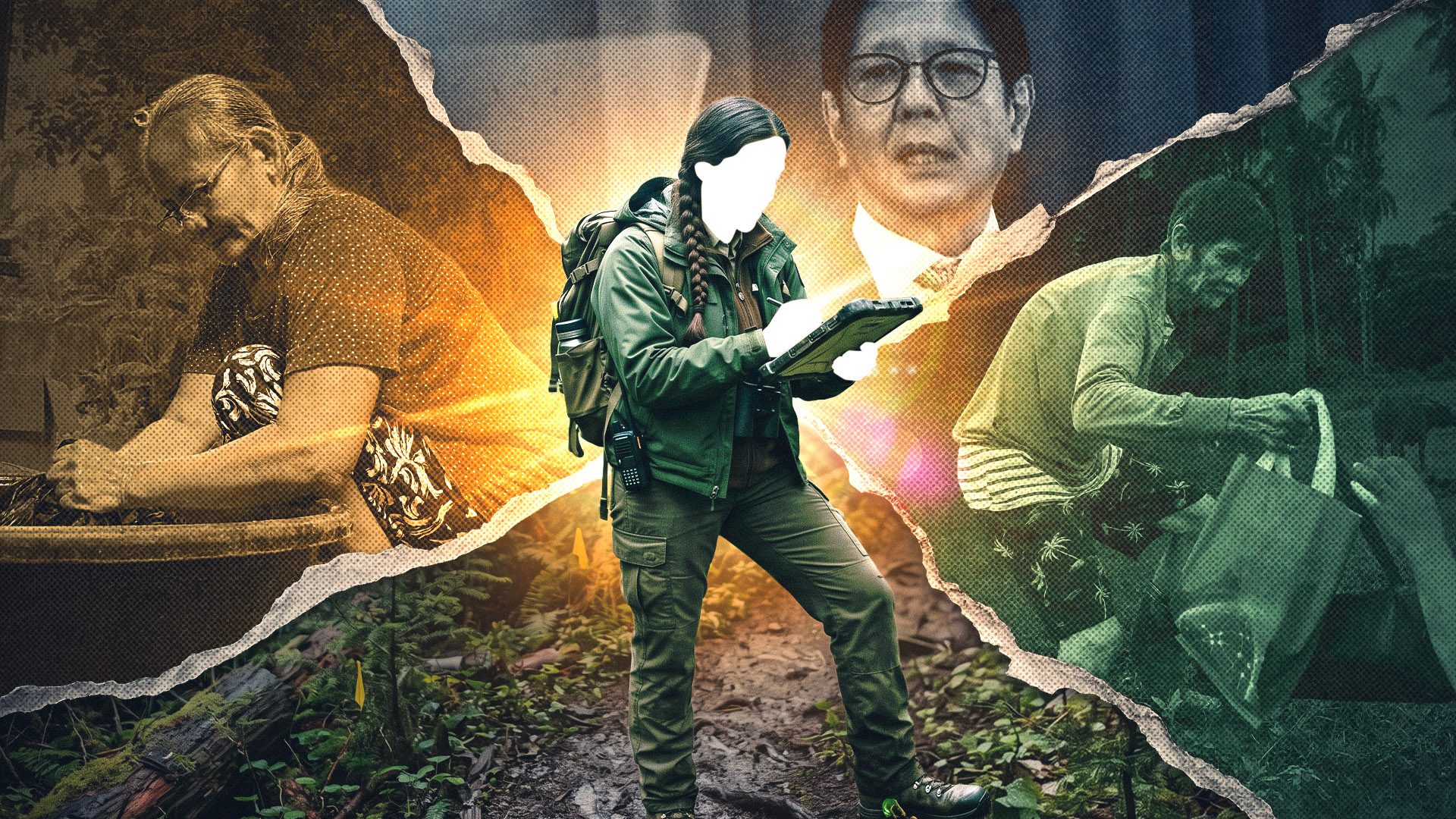
Climbing up a Pangasinan hill, in the dark, to hear Rina’s story
Full Article
Original Source
Read the full article at Rappler →KhanList aggregates and links to publicly available news content. We do not host full articles from third-party sources. Always verify important information with original sources.