
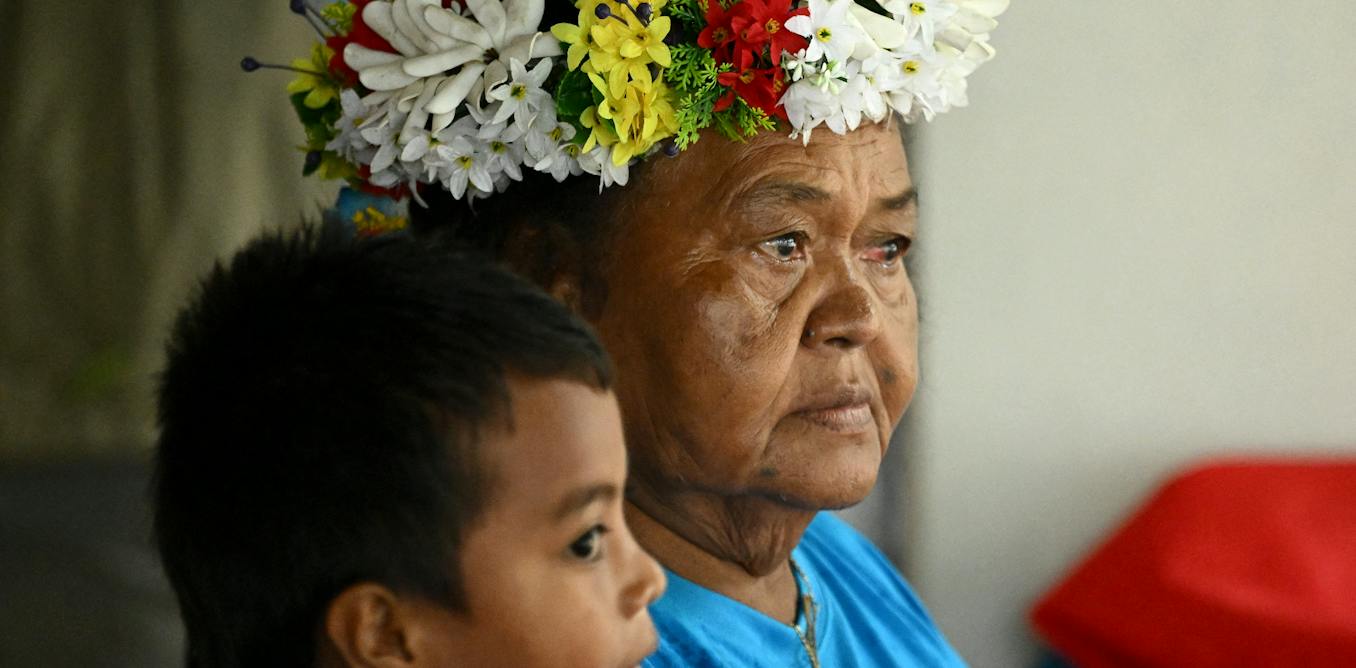
As sea levels creep higher in the Pacific, salt leaches into the soil, and reduces the land available to grow food. Ocean warming is damaging coral reefs, reducing fish stocks, and salinity has tainted fresh water supplies. As a result, Pacific communities are being forced to turn to imported food, which is often high in calories but low in nutrients. And this, along with a myriad of intersecting social, cultural, and economic factors, has led to a rise in the rates of chronic diseases, such as diabetes and cardiovascular disease. Ahead of the upcoming UN climate conference COP31, discussions by government ministers, civil society advocates, multilateral agencies, and academics at the pre-COP meeting in Fiji and Tuvalu last month emphasised the importance of health for those on the front line of the climate crisis. Women in the Pacific are disproportionately responsible for family care, and the burden of food and water insecurity falls most heavily on their shoulders. Women at the pre-COP meeting told us replanting crops after extreme weather is increasing their domestic burden, contributing to exhaustion and mental ill-health. But these women are not passive bystanders. Again and again in Fiji we heard incredible stories of women developing and implementing their own climate solutions. Australia can learn from their leadership and make health a central part of the global agenda at COP31. What’s the focus of COP31? This year’s summit is being promoted as the “implementation COP”: acting on existing promises (rather than making new ones) to keep the critical threshold of 1.5°C of warming within reach. There will be a push to increase climate finance – funding for activities to mitigate or adapt to the impacts of climate change. But health needs to be higher up the agenda. Global warming is worsening chronic diseases such as heart disease, stroke, diabetes and cancer, which are the primary cause of death and disability, both in the Pacific and globally. As an amplifier of inequity, it is women who bear the greatest health burden. The Pacific has the highest rates of these chronic diseases in the world. They are responsible for 87% of deaths in the Western Pacific region, with mortality rates in Kiribati five times those of Singapore, and yet they have largely absent from the wider COP agenda. Throughout the pre-COP talks, Pacific leaders repeatedly emphasised the need for climate action to reflect the everyday health realities facing communities. Too often, conversations focus on disasters and emergencies and the acute injuries and infectious disease outbreaks that ensue. The less visible ways climate change is undermining population health are often overlooked. Chronic disease prevention and treatment is shaped by interwoven systems, such as food, water, housing, gender equity and economic security. But policies designed to support the systems are fragmented across sectors and institutions. There was a welcome focus on gender and women’s health at the Fiji meeting, including discussions about how extreme heat is making pregnancy more dangerous for mothers, and women are facing poorer health outcomes and heightened care giving. Tuvalu prime minister Feleti Teo said it best: Ensuring that gender and health are fully integrated into climate financing is not just an ambition; it is an urgent necessity for the survival and wellbeing of our island communities. A Tuvaluan woman looks out from her house window in Funafiti, during the Pacific Pre-COP31 Summit. Tuvalu is one of low-lying island nations most at risk from climate change. Saeed Khan/Getty What needs to happen Fortunately, many Pacific Island nations are making inroads at addressing these challenges. The Pacific Resilience Facility, a climate finance mechanism owned and led by Pacific people, is funding women-led climate projects, such as installing community water tanks. One community leader at pre-CoP spoke about the value of having a clean and reliable water supply for their village in remote Fiji for the first time, for the modest cost of US$6,000 (A$8,600). Projects like this demonstrate climate adaptation can drive health and economic development that creates broader prosperity. Other changes that should be reflected at the COP31 meetings in Turkey include: 1. chronic diseases should be included in national climate and health action plans 2. climate action must include strengthening primary health care 3. climate action must be gender-responsive, with women included in climate leadership 4. most importantly, emissions reduction must be accelerated to keep 1.5°C within reach. The Pacific has shown the world what climate leadership looks like. Now the priorities discussed at Fiji must be taken up at COP31. Climate change is multi-faceted and our response must be the same; connecting climate action, health equity and sustainable development.
Climate change is undermining our health and the burden falls heaviest on women
Full Article
Original Source
Read the full article at Theconversation →KhanList aggregates and links to publicly available news content. We do not host full articles from third-party sources. Always verify important information with original sources.