
Andy Burnham has done his first Brexit reset deal with the European Union. It remains to be seen whether more fundamental moves will follow. It sparked someone I knew from many years ago to email with a thought. As he pointed out, all the forecasts at the time were that Brexit was going to be very bad for the Irish economy, costing growth and jobs. Commentators such as yours truly were quite the Cassandras at the time, he pointed out. Yet the Irish economy just kept growing. So what happened?Economics isn’t known as the “dismal science” for nothing, of course. But the Brexit episode is worth some reflection. And there is a wider story here, too, of an Irish economy that has just carried on growing over the last decade seemingly impervious to pretty much anything. Over that period the number of people at work has grown by 800,000 to almost 2.9 million.As Ibec chief economist Gerard Brady said in his latest economic outlook: “Irish economic growth has remained remarkably robust despite Brexit, tariffs, supply-chain volatility, a pandemic and two energy crises.” Like Brexit, all these events led to predictions of economic gloom. But the Irish economy has steamed on regardless, the Duracell bunny of Europe. On Brexit, two points seem clear. One is that the worst forecasts were based on a so-called hard Brexit, in which the UK would have left the EU without any deal on future trading. Fortunately, this was avoided. It would have meant real trouble for some areas of the Irish economy, such as the beef industry. But even with a post-Brexit trade agreement, forecasters still saw a cost of perhaps 3 per cent of GDP to Ireland in the long run due to new frictions on trade. READ MOREIn the event, some sectors did face difficulties and costs, notably food and drink. And we will never know what the world – or Irish growth – would have looked like had Britain remained in the EU. But any negative effect from Brexit was swamped by three things.[ Who has the spending power in the Irish consumer economy?Opens in new window ]One was a surge in Irish growth after the Covid pandemic, much of it driven by the multinational sector. Irish exports to the UK have more or less stagnated since Brexit, while sales to the US have more than doubled.The second was the ability of companies to adjust over time, something that is hard to take into account in economic models that tend to look at how the world as it is now, not how it would be affected over time by certain events. The rerouting of Irish trade away from the land bridge through the UK to new direct ferry routes to continental EU markets was remarkable.And the third was that Brexit did have some significant positives for Ireland in terms of attracting inward investment. As a result of Brexit, Ireland certainly won some new financial services projects and probably also got a larger share of investment in areas such as pharmaceuticals as the one remaining English-speaking part of the UK. This does not mean that the basic economic idea that trade barriers are a bad idea was flawed – we have seen with the UK that when you make trading with your nearest neighbour more expensive and difficult there is a cost. In the US, the crazy tariff policy has pushed up inflation. Here, too, Ireland escaped the worst because most of the threatened tariffs never actually happened.Many forecasters had expected the Irish economy to slow by now, running into the buffers of high prices and costs, the houses crisis and infrastructure constraints. But it keeps on goingBrexit was not the only time the worst was avoided for Ireland. The economy did, of course, take a temporary hit during Covid-19 and the fallout continues to affect some sectors of the domestic economy. The remote working trend, for example, has hit city centres. But the fears of a widespread, longer-term impact on the jobs market – a “scarring” as it was called – were washed away in a global economic bounce back once Covid restrictions were lifted, from which Ireland hugely benefited. Again, the real world ability of economies to survive and adapt were underestimated by economic models. The story has been the same ever since. The big jump in energy costs in 2022 after Russia’s full-scale invasion of Ukraine did not hit the world economy as hard as anticipated – and Ireland’s growth continued. The economic engine continued over the past year as energy prices rise again. Again, the world economy shows signs of adapting, finding ways to bypass the Strait of Hormuz through that 20 per cent of the world’s energy flows.Many forecasters had expected the Irish economy to slow by now, running into the buffers of high prices and costs, the houses crisis and infrastructure constraints. But it keeps on going. On the plus side, the State has significant financial resources, with public finances among the healthiest in Europe and significant cash down the back of a variety of official sofas. This gives some hope of avoiding the Irish economic rollercoaster, where strong periods of growth have ended in downturns. There are resources to combat any slowdown, though a bursting of the AI bubble could bring significant threats.[ Irish reunification will be costly - here are the key decisions which will decide the size of the billOpens in new window ]On the minus side, however, are the glaring infrastructural and housing shortages and the slow pace of progress in tackling them. The State’s “Electrification Roadmap” published this week, for example, showed that despite 130 different policies, the contribution of electricity to total fuel remains stuck in the mid 20 per cents. There are more renewables contributing to generating electricity, of course, but here the great promise of offshore wind keep gets pushed future into the future. The gap between promises and delivery in Irish energy policy remains enormous.And in the key area of housing, while completions are rising, there are more uncertainties ahead and a real difficulty in delivering on the kind of denser large-scale developments near city centres that are central to policy. Just look at the story of Dunsink, west of Dublin city centre, where local councillors are proposing a big scaling back on initial plans.Battered by the financial crash and the bailout, Ireland – and most of its economists – failed to see the potential for the huge surge in growth that was about to take off. The resulting lack of investment – and delivery – presents the greatest domestic threat to the extraordinary resilience of the Irish economy over the past decade. It is also central to why many citizens do not “feel” the benefit of the decade of growth even if, through their incomes, those attached to the multinational economy most certainly do.
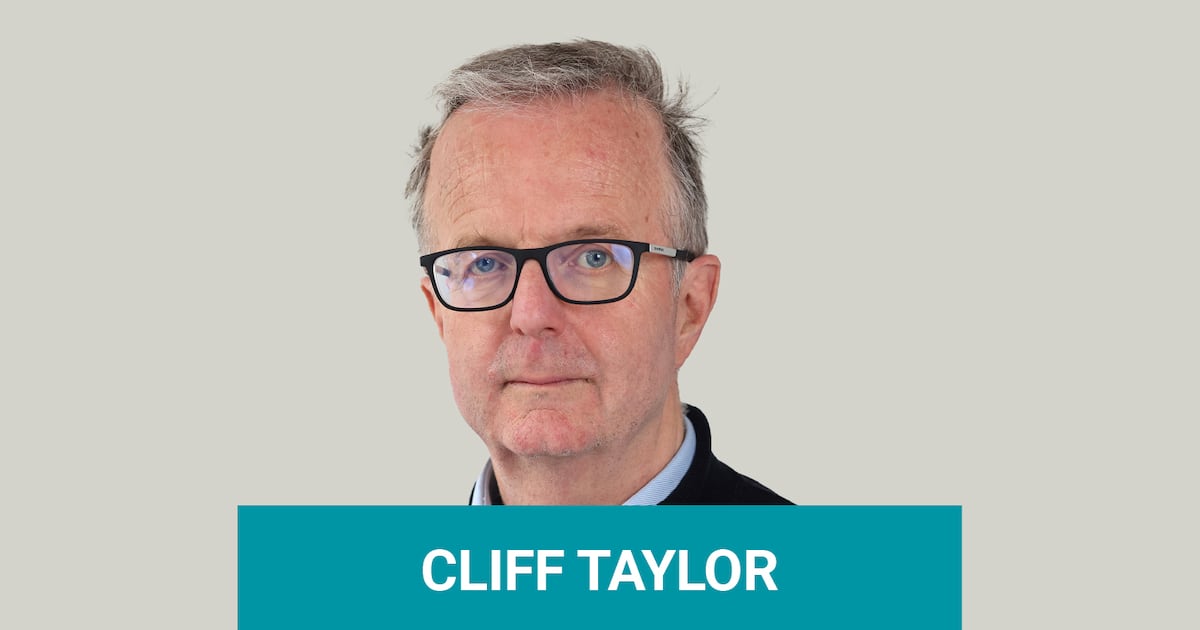
Cliff Taylor: There are three reasons Ireland navigated Brexit better than people like me predicted
Full Article
Original Source
Read the full article at Irishtimes →KhanList aggregates and links to publicly available news content. We do not host full articles from third-party sources. Always verify important information with original sources.