
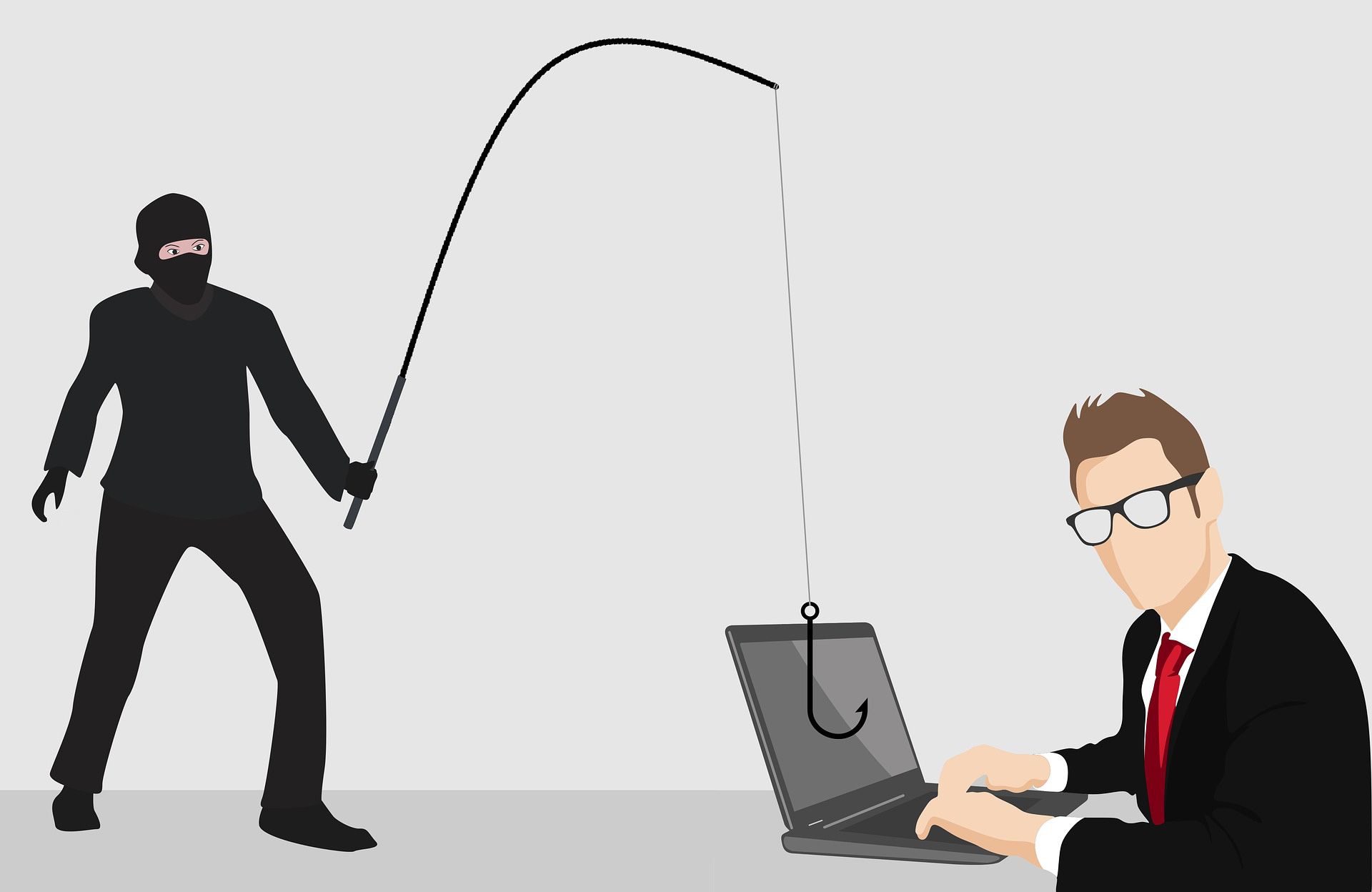
(Image credit: Pixabay/Tumisu) FBI warns of rising OAuth consent phishing attacks exploiting legitimate app permissionsVictims tricked into granting malicious apps access, enabling email reading and sendingPassword changes don’t help; users must revoke tokens in app security settingsHackers found a way to access your data, read your messages, and even send emails to your contacts, without ever needing your password or other login credentials. All they need from you is a single click on a completely legitimate, well-known platform.The technique is called “OAuth consent phishing”. It’s been around for more than a year and it’s gotten popular to a point where even the FBI is taking note. Earlier this week, the law enforcement agency issued a new public service announcement, via its Internet Crime Complaint Center (IC3), warning Americans about the threat.OAuth (Open Authorization) is an internet standard that allows users to give apps access to their account on another service, without giving the app their password for that service. For example, when users install a new app, they have the “Continue with Google” option. When they click it, they are asked if they allow the app to access their email. If they approve, Google gives that app a special access token, which allows the app to access the user’s Google account without ever seeing the password.Pulling off an OAuth attackSo, to pull off an OAuth attack, the threat actor must first trick Google (or Microsoft, or any other company providing the service) and get their (malicious) app registered on the platform. Then they would reach out to their target via instant messaging, while impersonating government officials, media, and other publicly known personalities, and sharing a link to what appears to be a document.The link redirects the victim to a legitimate service (for example, Google), where they are asked to grant permissions to the malicious app. If they approve, the attackers gain access to their email accounts with which they can do almost anything.To make matters worse, simply changing the password does not fix the issue. The only way to eliminate the threat is to revoke the access token that was given, which can be done in the application security settings.The FBI did not say who the threat actors were or who they were targeting, other than they were “prominent victims”. Their family members were being targeted, as well.Sign up to the TechRadar Pro newsletter to get all the top news, opinion, features and guidance your business needs to succeed!Via The Record Follow TechRadar on Google News and add us as a preferred source to get our expert news, reviews, and opinion in your feeds. Sead is a seasoned freelance journalist based in Sarajevo, Bosnia and Herzegovina. He writes about IT (cloud, IoT, 5G, VPN) and cybersecurity (ransomware, data breaches, laws and regulations). In his career, spanning more than a decade, he’s written for numerous media outlets, including Al Jazeera Balkans. He’s also held several modules on content writing for Represent Communications.
Clicking 'Allow' on a Google and Microsoft permission screens could give hackers access to your entire account, FBI warns
Full Article
Original Source
Read the full article at Techradar →KhanList aggregates and links to publicly available news content. We do not host full articles from third-party sources. Always verify important information with original sources.