
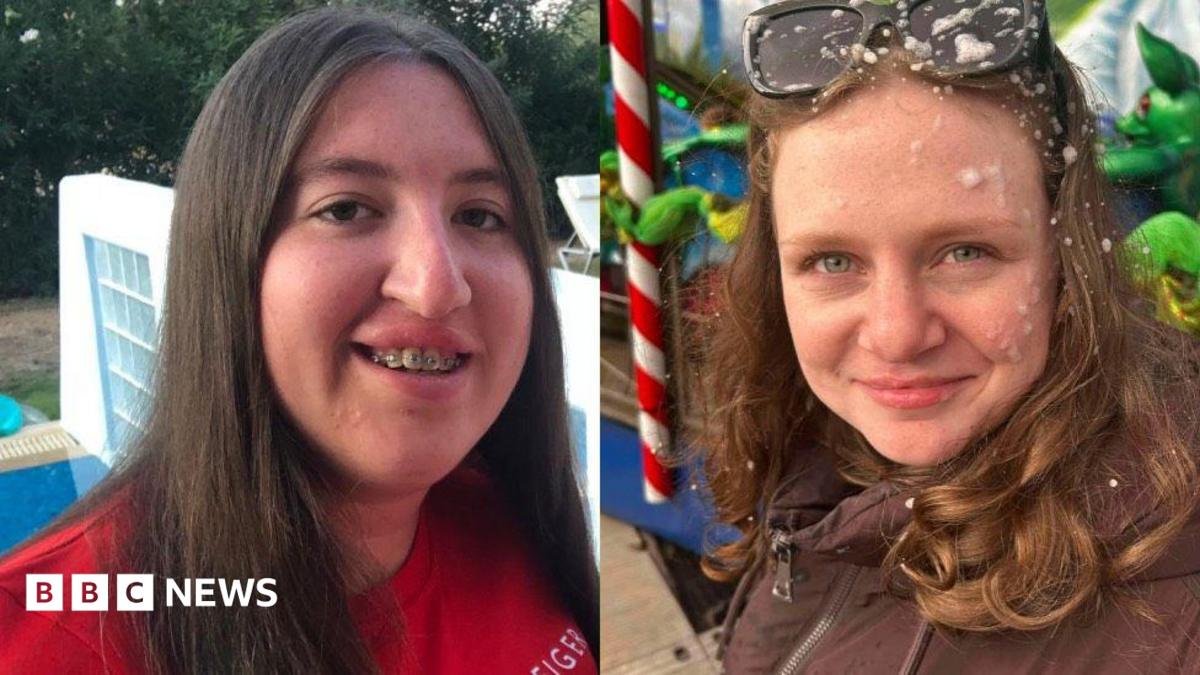
Dorgan was born with a cleft lip and has faced hearing difficulties, speech difficulties and bullying at school because of her scars.She had five operations as a child, as well as regular hospital appointments for speech and language therapy. Now she receives free dermal filler for life through The Welsh Centre for Cleft Lip and Palate based in Morriston Hospital in Swansea, something she feels extremely fortunate to have. Dorgan said: "I've always been insecure about how I look, going out and about, I've always had anxiety and I just get nervous."Now the lip fillers have made me feel confident in myself a little bit more. It's helped a lot," she said.Dorgan believes the treatment should be available to everyone with a cleft lip "because it makes you much more confident and happy"."Before [filler] I was really shy, I wouldn't talk to anyone, I didn't want to leave the house." Evans discovered through social media that treatments were available and found aesthetic practitioners in England offering it to those with scars. But she said she found a lack of practitioners in Wales.That was until Evans discovered Summer Rose-Dorland, who runs a clinic in her hometown of Somerset and sometimes runs pop-up clinics in Wales.After completing extra training she now works with non-profit organisation CleftInject, which help adults with scarring from cleft lip surgery find aesthetic practitioners who understand the condition. According to Rose-Dorland, some practitioners associated with CleftInject "offer a majority of our treatments free of charge", especially for people's first treatments. She said: "A lot of my clients struggle with their scar, I have messages from people that say that they had to stand side on in photos or when they're talking to someone because they feel like they obviously have to stand a different way."Some people may choose an aesthetic practitioner over the NHS, she said, as they believe they will have more choice about how their lips will look after. There are currently no regulations in the aesthetics industry, and some people believe that practitioners like Summer shouldn't be allowed to offer and administer these treatments.Rose-Dorland, who qualified four years ago and said she had since done 20 training courses, said: "I'm a non-medic and I stand for having regulation, I generally think we need it in the aesthetics industry."There are some people out there that just do things that are actually quite scary, but I don't think it should be that a non-medic can't practise."The person I trained with trains medics, so it's not just non-medic doing these trainings. There's doctors, nurses, midwives, they are all actually doing the same training as well."Dr Neil Brierley is a consultant cleft and plastic surgeon in the West Midlands Cleft Service. He said it was important for people who have had a cleft lip or have loved ones with a cleft to engage with NHS teams that provide lifelong support and care.The surgeon said they could offer an " unbiased" opinion to come to "an appropriate decision between the individual that's seeking assistance and what we feel is their best and worst options". "What we don't want is to have people who are potentially vulnerable who are looking for maybe a quick fix or a solution to feel that they don't have an option to come back to the NHS," he said. "And they certainly do not have to, but we are here if they need us."Brierley said everyone was entitled to their own choice about using aesthetic practitioners, but that it was important to be aware of how to deal with any complications. "I think it's important to inform your cleft team because it may impact any further treatment that you might need," he said. "For example if you were wanting revisional surgery, placement of filler in certain areas would prevent certain operations from being possible afterwards."Brierley said the lack of regulations around injectables and cleft dermal fillers was also concerning. "I know that there are a number of organisations, various world colleges and specialist societies [which] are trying to bring in regulation in line with government but at the moment the entire field is unregulated, he said. "There will be many excellent practitioners out there, but it will be impossible to know in advance if there is someone who isn't following best practice."Dr Nicola Stock is an associate professor whose work focuses on the psychological impact of appearance-altering conditions such as a cleft lip.Alongside others, she has worked on a project at the University of the West of England's Centre for Appearance Research. They have looked into the use of dermal fillers for people with a cleft, the people who provide them, what experiences and qualifications they have, and how these fillers are being marketed to the community. Stock said research suggested adults born with a cleft still had concerns with their appearance after surgery.The research also suggested that more people born with a cleft lip were interested in aesthetics treatments like dermal filler.She believes the way filler is being marketed on social media is fuelling this steady increase of people seeking out treatment. "Within the general population, dermal filler has exploded in popularity in recent years, and it's now one of the most common non-surgical cosmetic procedures used worldwide," she said."And we believe that this is being fuelled predominately by the aesthetics industry and predominately on social media." Stock said she was worried that adults with a cleft lip, who have a complex medical history, were being "deliberately targeted" and "left vulnerable to potential harm and exploitation at the hands of the aesthetics industry". Until there are more guidelines in the sector, Stock recommended that anyone considering dermal filler should research their options and get in touch with their local NHS cleft team or contact the Cleft Lip and Palate Action charity., externalIf you have been affected by the issues raised in this story, information about available help and support can be found via BBC Action Line.Additional Reporting by Lucy Vladev.
Cleft lip filler 'boosts confidence' - but expert warns of exploitation risk
Full Article
Original Source
Read the full article at Bbc →KhanList aggregates and links to publicly available news content. We do not host full articles from third-party sources. Always verify important information with original sources.