
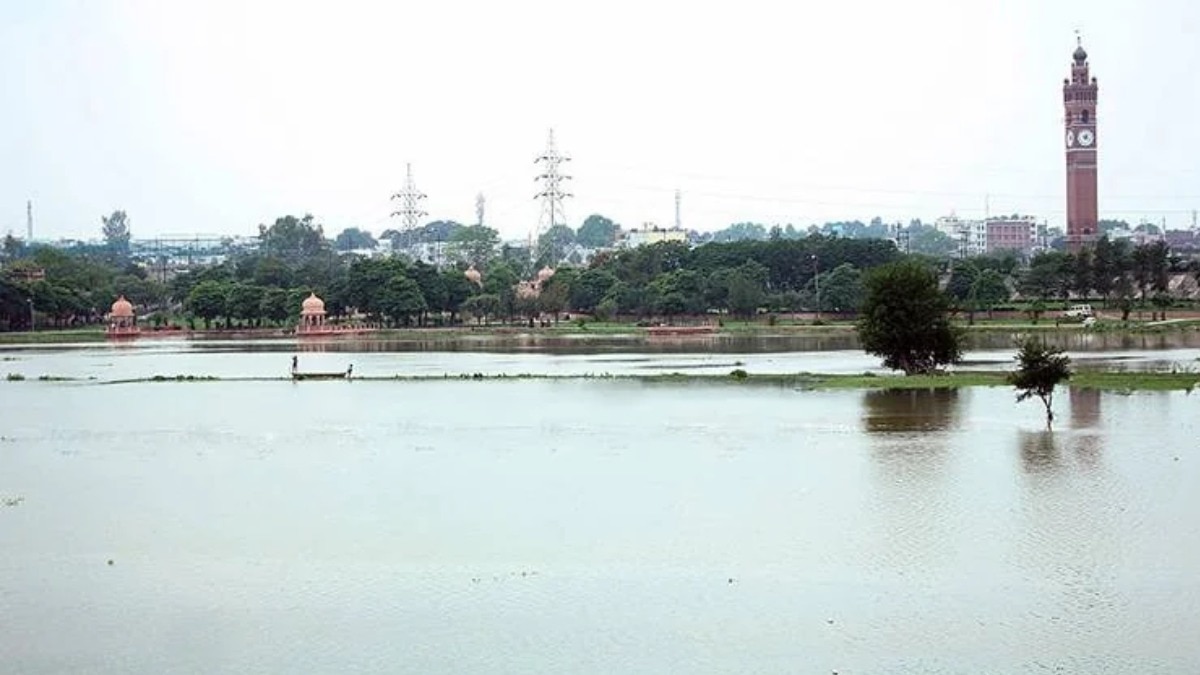
The Gomti flows through Lucknow for around 30 kilometres, but keeping the river clean will require the city to tackle a problem that often remains out of sight: sewage flowing through drains and eventually reaching the river.A drone survey conducted in Lucknow has identified 45 drains discharging into the Gomti, 12 more than the 33 recorded in Municipal Corporation records. The findings have prompted an action plan under the Namami Gange programme to tap the remaining drains, divert sewage to treatment plants and expand the city's treatment infrastructure.The scale of the problem is significant. While Lucknow has 10 sewage treatment plants (STPs) with a combined capacity of around 629.5 million litres per day (MLD), a substantial volume of sewage continues to flow through drains that are either untapped or only partially tapped.According to a state government release dated August 13, 2026, around 75 MLD of sewage from 12 drains has already been tapped, while five drains do not require tapping. The remaining 28 drains carry around 260 MLD and are yet to be fully addressed. The findings also highlight the gap in sewerage connectivity. Of Lucknow's 7.52 lakh households, around 4.01 lakh, or 53.32%, are connected to the sewerage network.45 DRAINS IDENTIFIED, 28 STILL TO BE ADDRESSEDThe drone survey has given authorities a clearer picture of the number of drains flowing into the Gomti and the volume of sewage they carry. Of the 45 identified drains, 12 have already been tapped, carrying approximately 75 MLD of sewage for treatment. Five drains have been identified as not requiring tapping.That leaves 28 drains, either untapped or partially tapped, carrying an estimated 260 MLD of sewage. Addressing these drains is a central part of the proposed river rejuvenation plan.The findings also point to the challenge of relying only on existing sewage infrastructure. Although Lucknow has treatment capacity of around 629.5 MLD across its 10 STPs, the city still has a substantial number of households outside the sewerage network and drains carrying sewage directly towards the river.NEW STPs AND DRAIN NETWORKS PROPOSEDA pre-feasibility report for the rejuvenation of the Gomti proposes new sewage treatment infrastructure at several locations in Lucknow.The plan includes proposed STPs with capacities of 160 MLD at Basant Kunj, 65 MLD at Wazirganj, 150 MLD at Jiamau and 65 MLD at Neelmatha.It also proposes a nature-based treatment system at the Mastemau drain, along with smaller modular sewage treatment plants at Pipraghat, with a capacity of 750 kilolitres per day (KLD), and Ghaila, with a capacity of 100 KLD.Apart from new infrastructure, the plan calls for upgrades to the Bharwara and Daulatganj STPs and repairs to connected drains.The integrated Gomti rejuvenation plan was submitted to the National Mission for Clean Ganga on May 6, 2026.SOME WORK COMPLETED, MORE TARGETEDWork on sewage treatment and drain tapping is already under way in parts of the city.A 39 MLD sewage treatment plant under Namami Gange was completed on November 4, 2024.The tapping of an untapped drain to treat 3.5 MLD of sewage at the Barikalan STP is targeted for completion in October 2026. Meanwhile, drains that are to be connected to the 50 MLD Loniyapurwa STP are expected to be linked by June 2027.These projects are expected to help divert sewage away from the Gomti and ensure it is treated before being discharged.However, the broader challenge will be to ensure that the proposed infrastructure is completed, existing treatment plants are upgraded and drains are effectively connected to the sewerage and treatment network.WATER METRO ON THE GOMTI STILL AT STUDY STAGEThe state is also examining the feasibility of a Water Metro on the Gomti. The proposal, however, remains at the study stage and has not yet been approved.While the idea could add another dimension to the river's use, the immediate challenge remains improving sewage management and preventing untreated wastewater from entering the Gomti.The drone survey has highlighted the scale of the problem. The proposed rejuvenation plan now lays out a series of infrastructure projects aimed at addressing it. The impact on the river, however, will ultimately depend on how much of the untreated sewage is actually intercepted, treated and prevented from reaching the Gomti.- Ends
Cleaning the Gomti: Lucknow's plan to stop sewage reaching the river
Full Article
Original Source
Read the full article at Indiatoday →KhanList aggregates and links to publicly available news content. We do not host full articles from third-party sources. Always verify important information with original sources.