
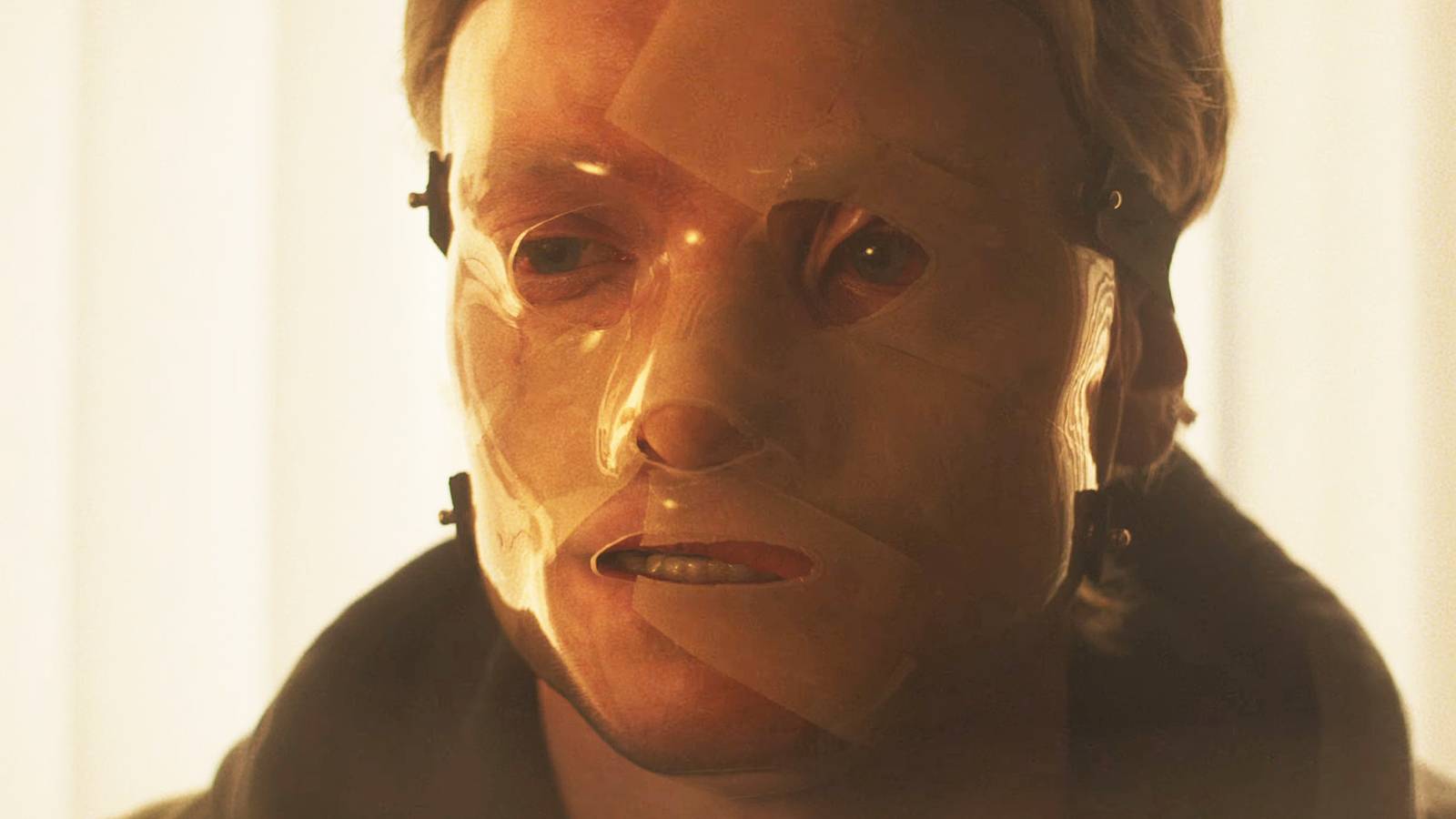
[Editor's Note: The following contains spoilers for Clayface] Summary Collider's Steve Weintraub talks with James Watkins for Clayface. Watkins discusses how the film blurs hero and antihero, asking when revenge turns a man into a monster. He also breaks down the design of Clayface's final reveal. "At what point does the hero become the anti-hero?" Clayface director James Watkins (Speak No Evil) intentionally blurs the lines to this question with the DCU’s new body horror. Originally penned by The Haunting of Hill House and Carrie’s Mike Flanagan, the movie explores similar themes to the filmmaker’s previous work through the heartbreaking origin story of one of Batman’s most infamous foes. After Hollywood heartthrob Matt Hagen’s (Tom Rhys Harries) cutting-edge facial reconstruction surgery, his world — and cells — begin to fall apart. By the end of the movie, not only has Hagen gone through a morbid ordeal, but he’s completely given in to his rage and vengeance, fully transforming into Clayface. In this interview with Collider’s Steve Weintraub, Watkins discusses that final reveal, the chilling last shot of the film, and the trajectory of Hagen’s journey throughout. He compares revenge thrillers like The Equalizer and John Wick to the fine line that Clayface steps over, and also takes us behind the scenes of the haunting design for Clayface’s final look. Check out the full conversation in the video above, with a transcript provided below. Designing ‘Clayface’s Tragic Final Reveal "That tragic journey was something I really wanted to honor." Image via Warner Bros. Pictures COLLIDER: I love the last shot of the movie. The reason it's fantastic is because you're building to that moment the entire film, so it's not like we're getting somewhere and we didn't understand the journey. You've laid out meticulously how Matt gets there, if you will. Talk a little bit about the design of Clayface and the image that you depicted on screen before we fade to black. JAMES WATKINS: Well, it was interesting. Jim Lee visited us on set, and so we looked at all the various iterations in the comic books and in the animated series and what was there. And I had James Price and his design people, and we probably went through about 13, 14 different versions, because I wanted something where you could honor what pre-existed for fans, but it's also got to work and feel real in a movie, grounded enough in a movie. But I also wanted to capture a little hint within it. I never wanted to lose sight of the man within the monster. That, for me, is where the heartbreak is. So that's what I was most possibly focused on in the very end, of seeing, okay, you've revealed Clayface, but there's a kind of trapped human being within that. And for me, the best monster movies are about that, about how men become monsters, or how we lose our humanity, or where our humanity goes. So for me, the tragedy, from the first time I read Mike Flanagan's first script, that tragic journey was something I really wanted to honor. When Does the Hero Become the Villain? Watkins discusses taking audiences over the line. Another thing that I thought was so well done is that Matt/Clayface, the whole movie, he's getting revenge, and he's trying to deal with the people that ruined his life. The audience is completely on board and behind him when he's killing people in the club. Whatever he's doing, the audience is with him — until the end, when he takes out someone. It's that moment where you can feel the entire audience like, “Oh, wait, he's gone. It's no longer Matt. We're now at Clayface.” Can you talk about that moment? WATKINS: I don't know about your screening, but I've heard people gasp. Yes. WATKINS: Well, it's interesting. If you talk about revenge thrillers, generally, whether it's a John Wick or Denzel [Washington] in The Equalizer, or whatever, there's a kind of vicarious thrill that we all have. In real life, if someone crosses you or if you're mistreated or whatever, the IRS or whoever, you have frustrations in real life, and generally in real life, we can't kick back. We get a vicarious thrill of watching movies where people do kick back, right? So when Matt's in the club, and he's coming back, we're on the journey with him, as you say. We're enjoying his kind of dark glee, and we're completely complicit. And then what I think is really interesting is taking the audience over the line and making them question that, and go, “Oh, how do I feel about this?” Morally complex. I just think it creates an interesting dynamic in terms of that conversation that you're having with the audience. At what point does the hero become the anti-hero? But also, he does it from a point of view that I think is motivated. I know he's gone too far and whatever, but he's driven by love, and he's been completely overtaken by, I guess, his primal urges. Clayface is in theaters now. Release Date October 23, 2026 Runtime 108 Minutes Director James Watkins Cast Tom Rhys Harries Matt Hagen / Clayface Naomi Ackie Dr. Caitlin Bates Writers Mike Flanagan, Hossein Amini Producers James Gunn, Lynn Harris, Matt Reeves, Peter Safran Franchise(s) DCU
'Clayface' Director Officially Confirms the Tragic Meaning Behind the DCU Horror Movie's Ending
Full Article
Original Source
Read the full article at Collider →KhanList aggregates and links to publicly available news content. We do not host full articles from third-party sources. Always verify important information with original sources.