
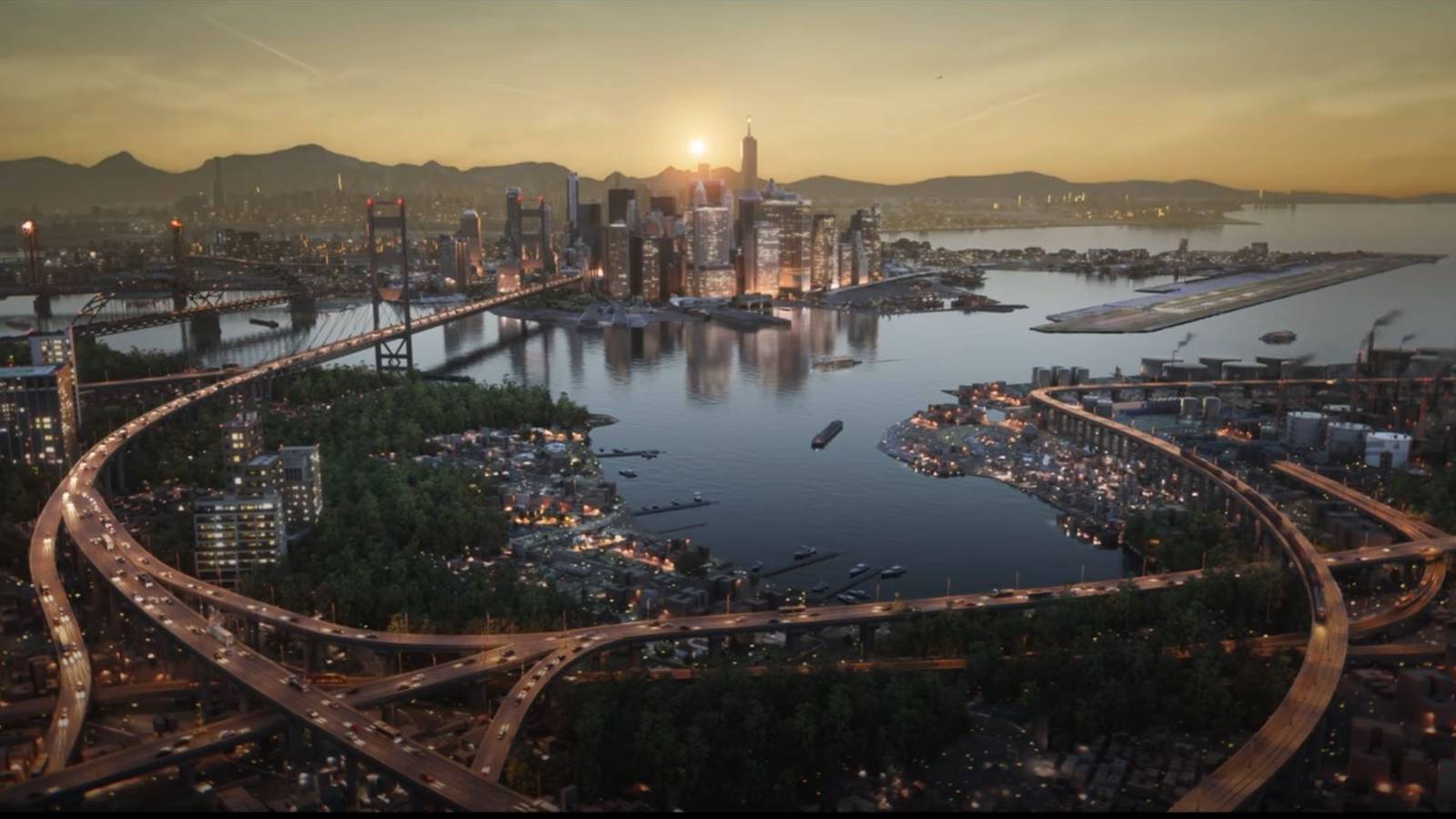
Published Nov 13, 2026, 4:00 PM EST Transport Fever 3 turned me into a logistics nerd Sorry, Cities: Skylines, there’s a new best city-builder in town Transport Fever 3 turned me into a logistics nerd Image: Urban Games 2026 is the year I got massively into city builders, and by massively I mean I played Cities: Skylines more than anything else for the first half of the year. I started dabbling with city builder-slash-logistics games in the second half of the year, like Anno 117, and turned my attention to Transport Fever 3 soon after. When I first learned about Transport Fever 3, I called it "like" Cities: Skylines. It looked a lot like a traditional city builder, albeit one where you focus on roads more than zoning. After playing it over the last month or so, though, I realize the difference between city builder and logistics planner is a lot more distinct than I initially gave it credit for — and I've irreversibly become a logistics sicko. The first thing you do in Cities: Skylines is build a road, and then you start earmarking plots of land for residential and commercial zoning. The biggest logistics puzzles you end up solving involve road improvements, or more accurately, managing traffic as your city gets bigger. It's a design and aesthetics challenge more than anything, though. In the struggle to make roads big enough to handle the needs of a growing city, keeping things from looking like a dystopian hellscape is more important than optimizing traffic flow. Well, for me it is anyway, but the game's comparatively lax management requirements let personal preference prevail over logistical needs. Not so with Transport Fever 3. Here, you start with a small town and a burgeoning transport company. The first task is creating a small network of transport lines to support consumer travel and industrial growth. Then you encourage new industry by making more lines that connect resource deposits with processing facilities in, or near, the town. This small-but-important difference captured me instantly. Planning industries in Cities usually takes little foresight. Once you have the money, you just construct the necessary buildings as close to the resource as possible and make sure there's a road that can link them back to the main city for deliveries. Most resource nodes exist on map tiles outside your main metro area anyway, so you can just position any old road how you’d like and go on about your business. Or you can just ignore industry entirely and turn your town into a strip mall paradise. Image: Urban Games But the goal in Transport Fever 3 is to grow the existing town, and it won't grow without industry. More people need more food, more places to work, and more ways to get to work, ideally on time and without being crammed on a tiny coach ill-adapted for the purpose. You find places suitable for residential building and industry like in Cities, but it all builds up based on roads and road types, which gives you more control over how everything develops and more challenges to solve. Opting for a country road influences the kind of residential areas that will populate along it and makes it easier to create neighborhood-like areas, for example, as opposed to having homes just pop up inconveniently on a standard road. Country roads aren't suitable for all types of travel, though, so you have to find alternative solutions to ensure the people living there have access to all the goods and transportation methods they need. Multiply those considerations for every new residential and commercial area, imagine designing a functional and aesthetically pleasing infrastructure network to accommodate them, and you've got an idea of how this game works. There are a slew of other considerations to deal with, too. Terrain gradient determines the type of road you need — and now much it'll cost to maintain — so freight vehicles don't get stuck. Trains are wonderful for moving goods and people, but require special production chains in place to operate, which puts another burden on your local infrastructure. That's true for pretty much every transport improvement. It makes one area easier, but requires a lot more planning and work to keep others from spiraling out of control. It's all comparatively easy to maintain when settlements are smaller, and in sandbox mode, the game doesn't punish you for keeping things small. Heck, you can have a bunch of mid-sized towns connected via water transport and airports if you want. As long as your business isn't bankrupt, you're winning. But once your town grows into a city with multiple districts, managing everything is a nested stack of challenges that just gets more complex as time passes. Free sign-up Get Polygon’s Wishlister newsletter A weekly cheat sheet to what you’ll eventually love to play. No buying, no commitment — just saving for later. Sign up free Free. Unsubscribe anytime. Which, it turns out, is exactly what I want. I frequently find myself speeding up the simulation in Cities until some disaster or other requires my direct intervention. It's very passive once you get to a certain point, where improvements are additive and routine. Make a new district, zone it like the last one — or, how about this for excitement, get a bit wild and invert the zoning swatches — connect the roads, add more power and water, proceed like before. I certainly still enjoy designing a huge city and seeing the results of my planning pay off, but I miss the hands-on requirements of early city building. That hands-off feeling never disappears in Transport Fever 3. It's a never-ending puzzle that captured me and won't let me go, and I couldn't be happier about it.
Cities: Skylines' Best Replacement Is Finally Here and Better than Expected
Full Article
Original Source
Read the full article at Polygon →KhanList aggregates and links to publicly available news content. We do not host full articles from third-party sources. Always verify important information with original sources.