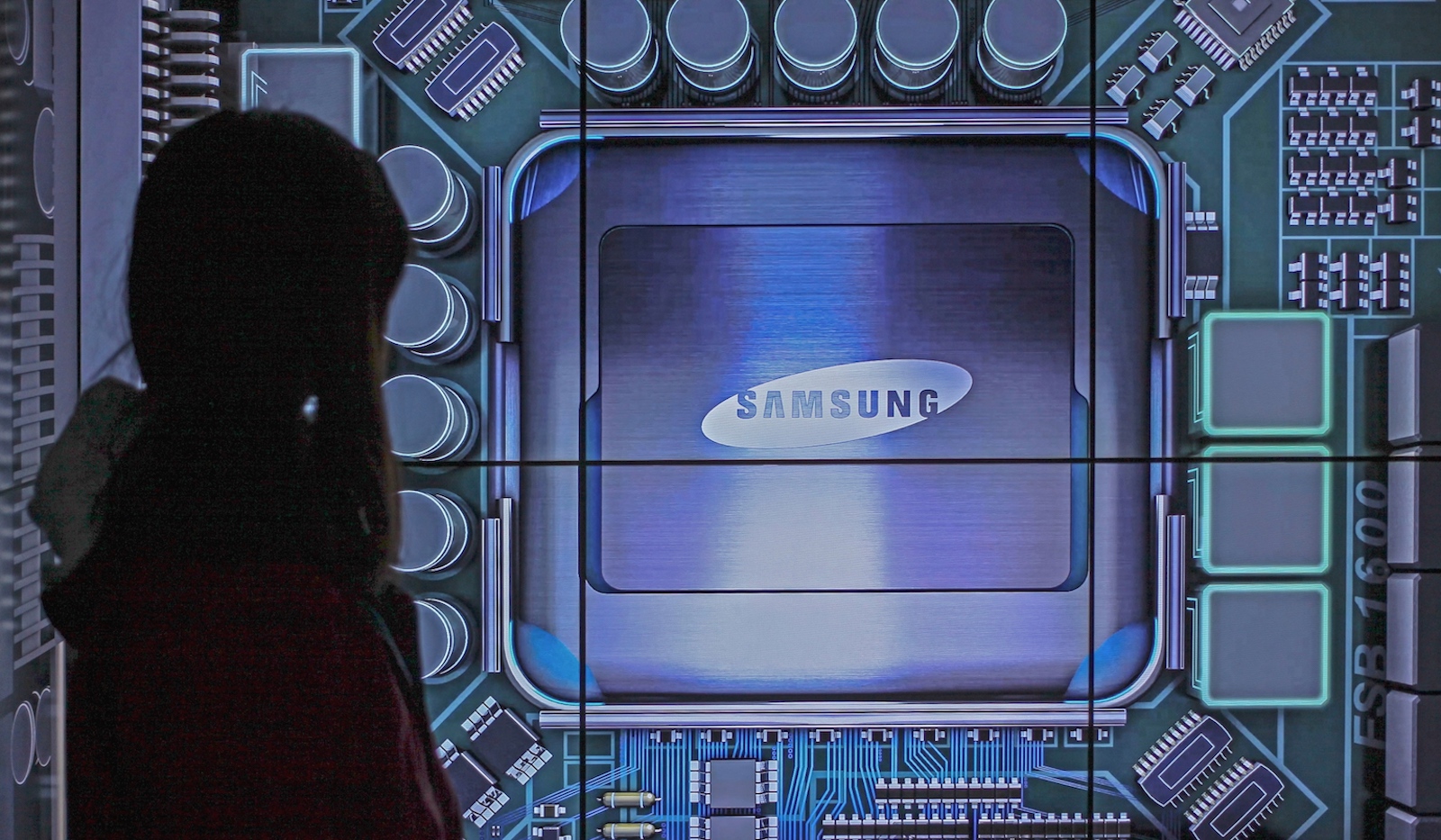
Samsung just posted an operating profit of 89.5 trillion won, roughly US$62 billion, for the second quarter. That’s a jump of 1,814% from a year earlier. Revenue climbed 130% to 171.5 trillion won, a company record. And Samsung’s shares fell anyway. SK Hynix, the other pillar of South Korea’s chip industry, reported a record profit of its own this week. Its stock dropped nearly 6% on the day. The Kospi has now shed more than 16% across two trading sessions, one of the sharpest short-term drops in the index’s history. Taiwan and Japan haven’t been spared either, with chip-linked names across both markets pulling broader indices lower even as underlying semiconductor earnings across the region keep beating forecasts. Record profits get punished instead of rewarded for one reason: investors have stopped trusting the story behind the numbers, even while the numbers themselves keep improving. This gap between performance and trust is where real damage gets done, and it’s opening up right now across Asia’s biggest tech names. The comforting explanation making the rounds is that chip demand has finally peaked. It hasn’t. Samsung’s Device Solutions division posted a 56% jump in quarterly sales, and the company says server memory will stay undersupplied through the rest of the year. Anyone blaming this selloff on weakening demand is reading the wrong page. The real problem is who’s funding the buildout underneath that demand. A large share of the capital driving AI infrastructure spending doesn’t come from independent buyers with their own separate revenue. It comes from the AI companies themselves, funded by investment from the very chipmakers and cloud providers who then book the resulting sales as growth. Money gets committed at one end of the chain, flows through several related companies, and shows up again as revenue for the firm that put it in to begin with. Every link looks strong on paper. Pull on any single one and you find out how much of that strength was borrowed from the link next door. Call it what it is: a circular economy dressed up as an earnings story. I’ve seen this pattern before, in telecoms in the early 2000s, in shipping finance before that, and it never ends the way its architects promise. Value appears to be created fresh at each stage, but it’s the same capital changing hands, counted as growth every time it moves. It works beautifully while confidence holds. It turns ugly the second anyone asks where the outside money actually is. This question hit Kospi traders this week, and it hit hard. They didn’t stop believing AI chip demand is real, and Samsung’s earnings prove it isn’t going anywhere. They stopped believing every dollar behind that demand is coming from somewhere solid. Once this doubt takes hold among one group of investors, it doesn’t stay contained to one stock. It spreads to every company whose growth story depends on the next company in the chain keeping its word, and that’s precisely what’s now happening across the broader semiconductor supply chain, from memory makers to the equipment suppliers and foundries that sit behind them. Treating an earnings beat as proof of safety in this environment is a mistake, and investors who keep doing it are likely to get badly hurt. An index fund tracking Korean, Taiwanese or Japanese tech doesn’t tell you which of its biggest names are being propped up by external customers and which are being propped up by their own suppliers wearing a different hat. This distinction is being repriced, stock by stock, in real time, and most portfolios simply weren’t built to tell the difference. Fund managers who spent the last two years rewarded for maximum exposure to this trade are now the ones most exposed to a correction they didn’t see coming, because the earnings kept beating expectations right up until the moment sentiment turned. Ask the blunt question before adding to any AI-linked position out of the region: does this company’s growth depend on customers with their own money, or on partners who are also investors, also suppliers, and also counting on the same success story to keep their own numbers looking good? If you can’t answer that in one sentence, you don’t actually know what you own, no matter how good the last earnings call sounded. Samsung’s results this week were extraordinary by any conventional measure, and its stock fell regardless. When the strongest possible numbers stop moving a stock in the right direction, investors are being told something the earnings call won’t say out loud: they no longer believe the money underneath the growth is real. Anyone ignoring that signal now will be the one explaining large losses to someone else later, and pretending nobody could have seen it coming. The companies that survive this repricing will be the ones whose revenue never depended on their own investors buying their own product in the first place. Everyone else is about to find out the hard way which category they actually belong to. Nigel Green is CEO and founder of the deVere Group.
Chip boom’s dirty secret hiding in Samsung’s record earnings
Full Article
Original Source
Read the full article at Asiatimes →KhanList aggregates and links to publicly available news content. We do not host full articles from third-party sources. Always verify important information with original sources.