
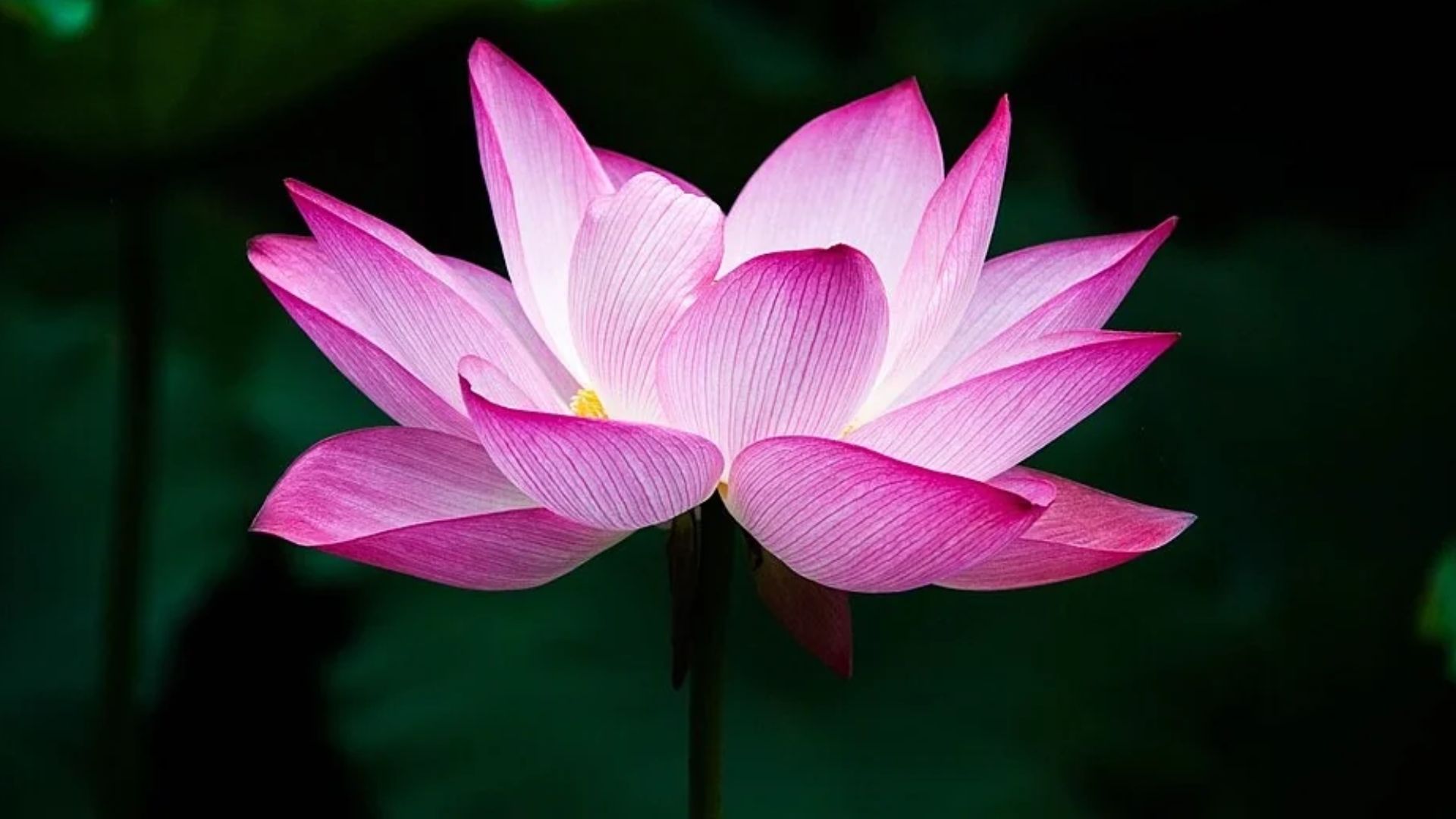
Researchers in China have designed a bio-hybrid micro-generator that can produce continuous low-voltage electricity for more than 30 days by combining natural lotus stems with electroactive bacteria. The system uses water transport and ambient evaporation, eliminating the need for moving parts, external power, or fossil fuels. Hydrovoltaic energy harvesting, which generates electricity directly from the interaction between water and solid surfaces, has long attracted interest as a clean power source for remote electronics. However, maintaining steady electrical output over extended periods has remained a persistent challenge due to sluggish fluid transport and unstable charge separation. To solve this, the research team turned to the natural vascular architecture of lotus stems, which are evolved to efficiently pull water upward from roots to leaves. lotus-stem hydrovoltaic generators. Journal Cell How the bio-hybrid generator works As detailed in the journal Device and reported by the South China Morning Post (SCMP), the fabrication process begins by submerging sections of lotus stems in a culture of Geobacter sulfurreducens. It is a species of electroactive bacterium known for its ability to transfer electrons through conductive protein filaments. Over a 24-hour immersion period, the microorganisms colonized the interior walls of the stems’ vertical, porous microchannels. The researchers then freeze-dried the colonized stems to preserve their structural integrity and attached titanium mesh electrodes to both the top and bottom ends. When the bottom of the treated stem is placed in water, natural capillary action draws liquid upward through the aligned channels. As water reaches the top and evaporates into the surrounding air, it drives a continuous upward flow of charged ions. The bacterial biofilm lining the channels interacts with this moving fluid, facilitating charge separation. Positively charged ions accumulate near the upper titanium electrode, creating a steady electrical potential difference between the top and bottom of the stem that produces a continuous, low-voltage current. Scaling up from calculators to smartphones In laboratory testing, a single lotus-stem generator sustained stable power generation for more than 30 days. While an individual unit produces only a small voltage, the researchers demonstrated that multiple units can be wired together to meet practical power demands. Connecting three generators in series produced enough energy to run a pocket calculator, while six units successfully powered a small lamp and an electronic ink display. To test higher-demand electronics, the team assembled a 16-by-16 grid containing 256 individual lotus-stem generators. Paired with a voltage converter, the array generated enough power to run a mobile phone. According to the researchers, this modular scalability makes the hydrovoltaic technology particularly promising for low-maintenance, distributed sensor networks and off-grid environmental monitors deployed near rivers, lakes, or agricultural wetlands. Engineering hurdles before commercialization Despite the encouraging 30-day endurance run, the study authors noted that significant manufacturing hurdles stand between the laboratory prototype and commercial deployment. As natural lotus stems vary in diameter, pore distribution, and structural density, achieving uniform electrical output across large batches is difficult. Cultivating consistent Geobacter sulfurreducens biofilms inside biological tissue also adds processing time and material costs.Rather than harvesting wild plants at an industrial scale, the researchers plan to use the lotus stem as a structural blueprint. Up next, the team aims to fabricate synthetic materials with uniform, aligned microchannels that replicate the lotus plant’s fluid-transport efficiency for standardized mass production.Get the latest in engineering, tech, space & science - delivered daily to your inbox.Kaif Shaikh is a journalist and writer passionate about turning complex information into clear, impactful stories. His writing covers technology, sustainability, geopolitics, and occasionally fiction. A graduate in Journalism and Mass Communication, his work has appeared in the Times of India and beyond. After a near-fatal experience, Kaif began seeing both stories and silences differently. Outside work, he juggles far too many projects and passions, but always makes time to read, reflect, and hold onto the thread of wonder.
Chinese researchers power a smartphone using 256 lotus stems and water evaporation
Full Article
Original Source
Read the full article at Interestingengineering →KhanList aggregates and links to publicly available news content. We do not host full articles from third-party sources. Always verify important information with original sources.