
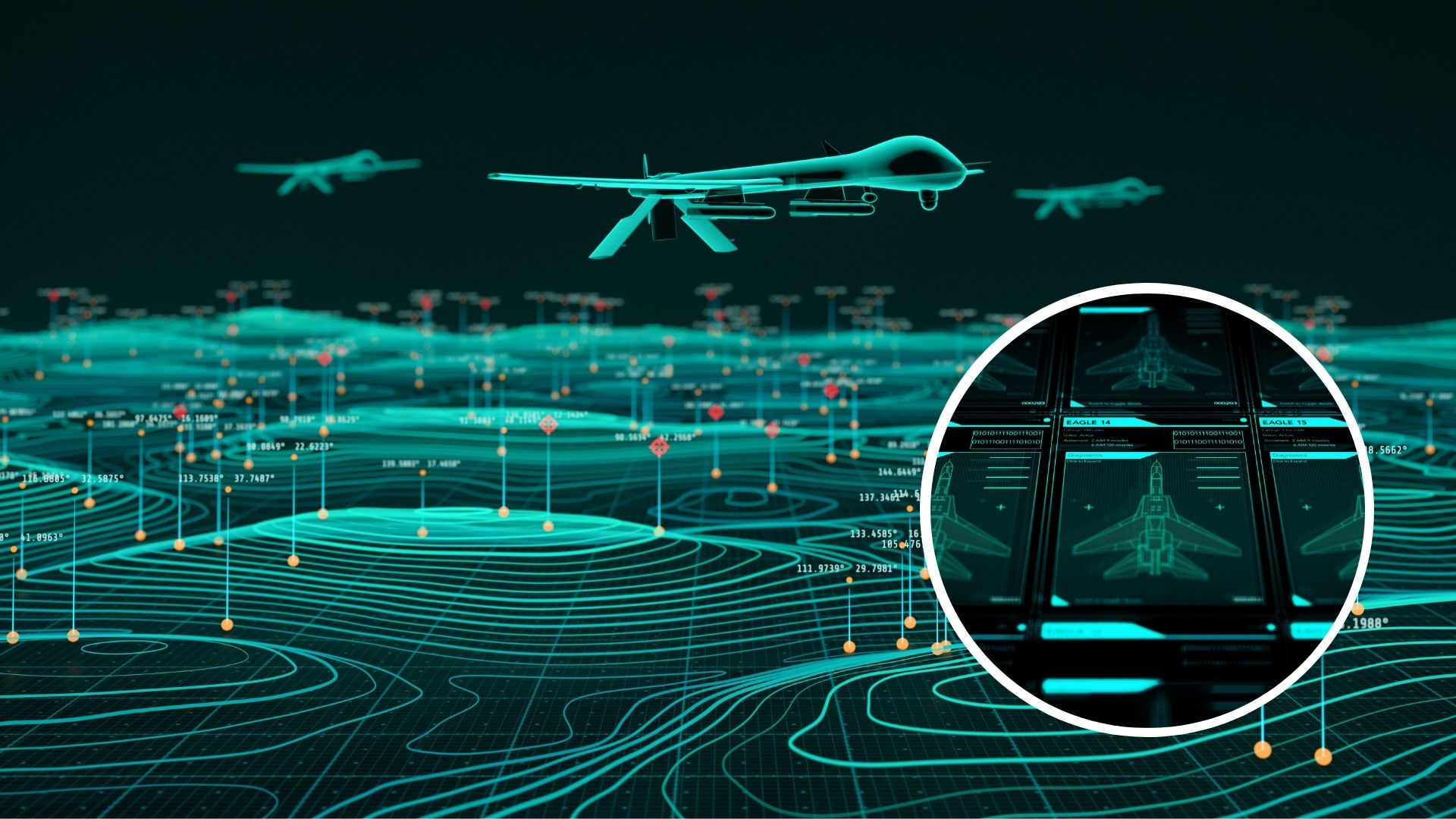
The development highlights the increasing role of artificial intelligence in military command and control. (Representational image)Joseph/imaginimaChina is integrating artificial intelligence into its military operations with the introduction of an AI-powered system designed to assist in planning and coordinating large-scale air strike missions, according to a report.The technology has been developed to support military commanders during complex exercises involving numerous aircraft, targets, and weapons, allowing them to prepare battle plans more quickly and efficiently, as per the report. The system reflects China’s broader strategy of incorporating advanced digital technologies into modern warfare. The newly developed AI platform functions as a decision-support tool rather than an autonomous weapon. It processes large volumes of battlefield information, evaluates mission objectives, and recommends coordinated attack plans based on available aircraft, weapon systems, and operational constraints. By automating time-consuming planning tasks, the system enables commanders to respond more rapidly to changing battlefield conditions while maintaining human oversight over critical decisions.AI could assist decision-making by calculating battlefield developments in real time, assigning the most suitable targets to different weapons and determining when munitions should be used, according to the report. Ability to coordinate simultaneous attacks on hundreds of targets One of the system’s primary strengths is its ability to coordinate simultaneous attacks on hundreds of targets. Modern air operations often require multiple aircraft to strike different objectives at precisely coordinated times while avoiding conflicts in airspace and ensuring efficient use of resources. The AI can rapidly calculate flight routes, assign targets, recommend weapon allocation, and adjust operational plans if new intelligence or unexpected threats emerge during a mission. This capability can significantly reduce planning time compared with traditional manual methods.The development highlights the increasing role of artificial intelligence in military command and control. Around the world, armed forces are exploring AI applications for intelligence analysis, logistics, surveillance, battlefield management, and mission planning. AI systems are particularly valuable because they can process vast amounts of information in seconds, identify patterns that may not be immediately obvious to human analysts, and generate multiple operational options for commanders to evaluate.Despite these advantages, military experts emphasize that AI should complement rather than replace human decision-making. Combat environments are highly dynamic, and unexpected developments often require judgment, experience, and ethical considerations that current AI systems cannot fully replicate. Human commanders remain responsible for approving operational plans and making final decisions, especially in situations involving significant strategic or humanitarian consequences.China’s investment in AI-based military technologies reflects a broader global trend in defence modernization. Major military powers are increasingly focusing on intelligent command systems, autonomous platforms, and data-driven decision support to improve operational effectiveness. As advances in artificial intelligence continue, future military operations are expected to rely more heavily on AI-assisted planning while maintaining meaningful human control over the use of force.The introduction of this AI-assisted air strike planning system demonstrates how emerging technologies are reshaping military strategy. By combining rapid data analysis with human expertise, such systems have the potential to improve coordination, enhance operational efficiency, and support more informed decision-making in increasingly complex combat environments.Recommended ArticlesGet the latest in engineering, tech, space & science - delivered daily to your inbox.Prabhat, an alumnus of the Indian Institute of Mass Communication, is a tech and defense journalist. While he enjoys writing on modern weapons and emerging tech, he has also reported on global politics and business. He has been previously associated with well-known media houses, including the International Business Times (Singapore Edition) and ANI.
China’s new tech can plan mass strikes to hit hundreds of targets using dozens of formations
Full Article
Original Source
Read the full article at Interestingengineering →KhanList aggregates and links to publicly available news content. We do not host full articles from third-party sources. Always verify important information with original sources.