
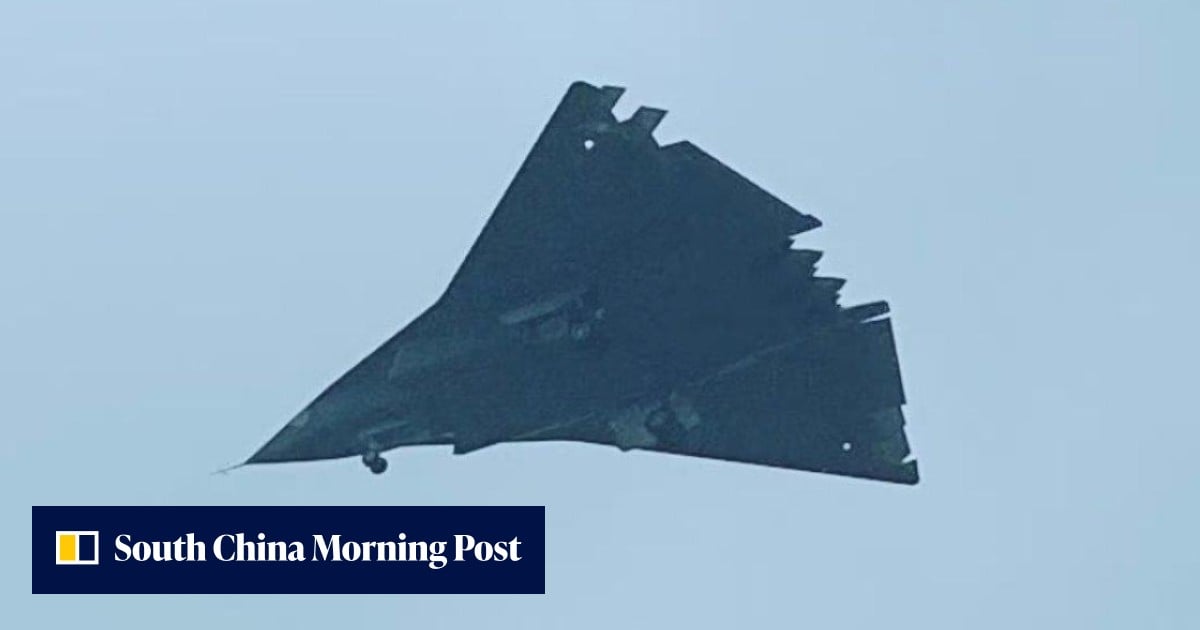
Large language models are expert in intelligence work, able to quickly mine key data and analyse weapons performance – tasks that once took analysts huge amounts of time and effort.But engineers at China’s AVIC Chengdu Aircraft Research and Design Institute, developer of the People’s Liberation Army’s backbone J-20 and next generation J-36 stealth fighters, have urged caution.In a paper published on June 20, engineer Zhang Xianzhe said that “AI models can invent aircraft specifications – length, payload, weapons, speed, combat radius – and get radar scan ranges and frequency bands wrong”.“The so-called hallucination effect, where models produce plausible but false outputs, could have severe consequences in the high-stakes, low-error world of defence intelligence, possibly even causing strategic miscalculations,” he said.Zhang’s work was published in Information Studies: Theory & Application, a journal run by China’s state-owned arms maker Norinco.According to the paper, every fighter jet begins with a deep understanding of the enemy and the battlefield. Designers must answer critical questions: what is the opponent’s radar coverage and which frequencies do they use?
China’s J-36 fighter jet designers report danger of military AI hallucinations
Full Article
Original Source
Read the full article at Scmp →KhanList aggregates and links to publicly available news content. We do not host full articles from third-party sources. Always verify important information with original sources.