
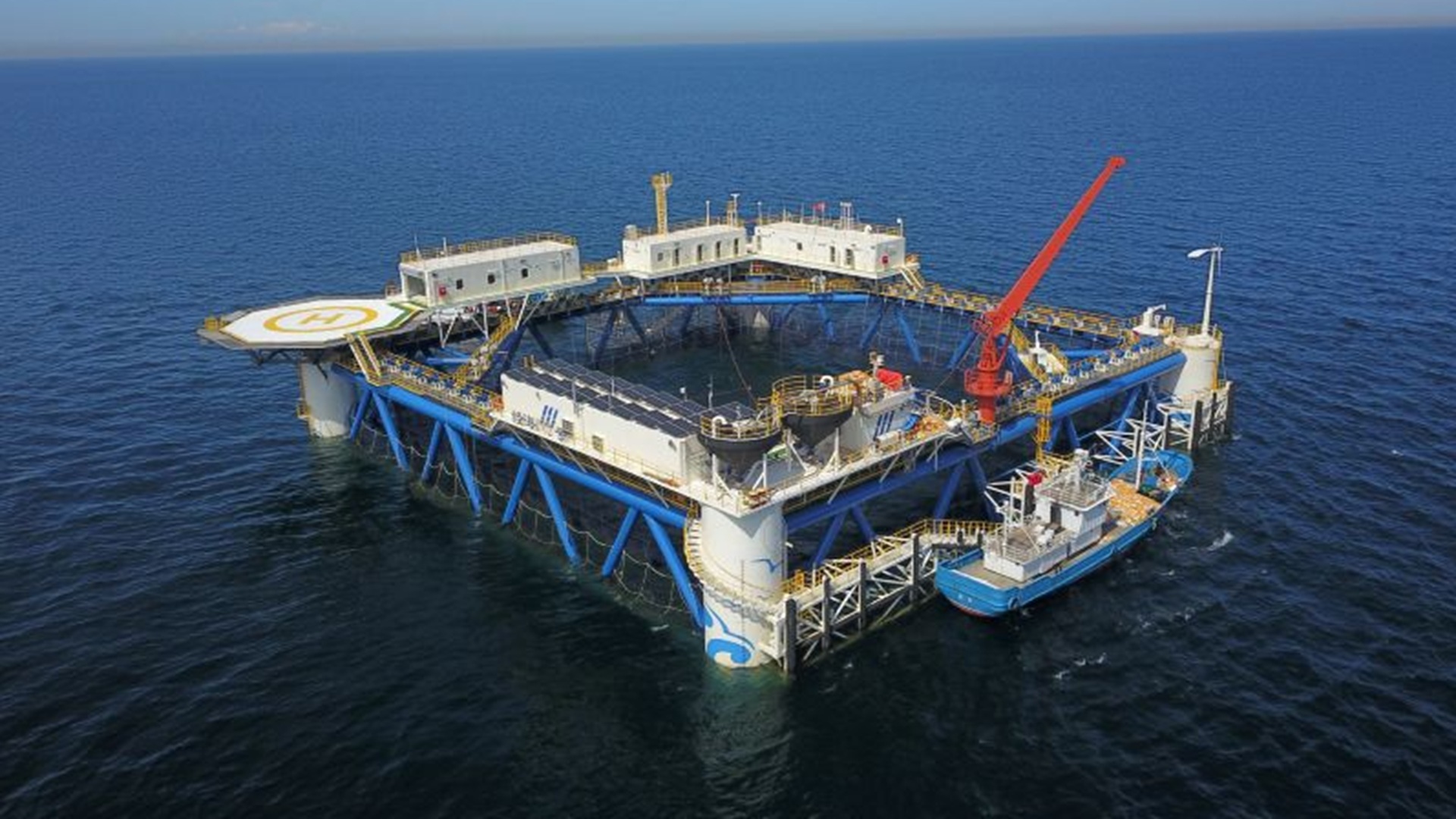
China is testing bamboo as a structural material for offshore solar power with a 100-kW floating photovoltaic platform deployed off Yantai in Shandong province. Called Jilin-2, the platform uses composite bamboo tubes and pipes instead of the steel or high-density polyethylene (HDPE) structures commonly used for floating solar installations. It will provide electricity to a demonstration project producing hydrogen, ammonia and methanol. The platform was jointly developed by the CIMC Offshore Engineering Research Institute, China Forestry Group Corporation and Beijing Forestry University. Its deployment follows the 10-kW Jilin-1 bamboo floating solar prototype launched in 2023. The larger platform is designed to test whether engineered bamboo can handle the demanding conditions of offshore power generation. Developers say the material could reduce the environmental impact associated with conventional floating solar structures while offering a lightweight alternative. Bamboo moves into offshore power The structural system combines bamboo-wound pipes with what developers call “Sea Bamboo Pipe,” a fiber-reinforced wood-bamboo composite designed to provide buoyancy and load-bearing support. Beijing Forestry University developed the composite material for marine use. The bamboo and wood fibers are modified to withstand conditions including high humidity, corrosion, salt spray, and ultraviolet radiation, according to professor Qi Chusheng, who spoke to China Green Times. That makes durability a key part of the project. The platform will be monitored over time to assess how the bamboo composite performs against fatigue, environmental exposure and other stresses encountered offshore. The goal is not simply to replace steel with bamboo. The project is testing whether renewable materials can be engineered to meet the structural and durability requirements of large marine energy systems. The developers are also positioning the technology for applications beyond floating solar. If the composite can maintain its performance in seawater, it could eventually be used in offshore power plants, marine energy islands and marine ranches. From prototype to megawatt scale Jilin-2 represents a tenfold increase in capacity from the 10-kW Jilin-1 prototype. The developers now plan to pursue a megawatt-level pilot as they work toward wider use of bamboo-based marine materials. Offshore solar has expanded rapidly in China as developers look to use coastal waters for renewable power generation. But floating platforms must balance electrical generation with structural strength, buoyancy, corrosion resistance and long-term reliability. Traditional systems generally rely on steel or plastic-based components to meet those requirements. The bamboo platform takes a different approach by using engineered wood-bamboo composites designed specifically for marine conditions. The 100-kW system will therefore serve as a real-world test of whether bamboo can move beyond smaller prototypes and into industrial-scale infrastructure. The project also fits into China’s broader push to replace some conventional plastic-based products with bamboo and develop higher-value uses for the fast-growing material. If Jilin-2 performs as expected, the planned megawatt-scale system could provide the next test of whether bamboo-based structures can become a practical component of offshore renewable energy infrastructure.Get the latest in engineering, tech, space & science - delivered daily to your inbox.With over a decade-long career in journalism, Neetika Walter has worked with The Economic Times, ANI, and Hindustan Times, covering politics, business, technology, and the clean energy sector. Passionate about contemporary culture, books, poetry, and storytelling, she brings depth and insight to her writing. When she isn’t chasing stories, she’s likely lost in a book or enjoying the company of her dogs.
China puts world’s first 100-kW bamboo-built solar platform to offshore test
Full Article
Original Source
Read the full article at Interestingengineering →KhanList aggregates and links to publicly available news content. We do not host full articles from third-party sources. Always verify important information with original sources.