ByJUDY SIEGEL-ITZKOVICHJULY 18, 2026 07:12Fortunately, schizophrenia – a chronic and severe mental health disorder that affects how a person thinks, feels, and perceives reality, involving hallucinations, delusions, disorganized thinking, reduced emotional expression, and a lack of motivation – is rare.The disorder, which is now widely regarded as a neurodevelopmental disorder, affects some 25 million people worldwide, including 70,000 Israelis, which is about one in 143.It’s known that the adult children of many Holocaust survivors suffer from trauma as a result of growing up with them and hearing about their horrific experiences, or even when their parents refuse to talk about them.But a new compelling study at the Hebrew University of Jerusalem (HUJI) reveals that children born decades after the Holocaust to parents who were older than age five at the time of the initial Nazi persecutions faced elevated schizophrenia risk. As a result, the trauma of a parent may rewrite the mental health of a child born decades later.Hebrew University of Jerusalem (credit: Gunner Vitaliy Bothman/TPS-IL)This preconception echoes – the extreme, severe childhood trauma experienced by a parent that can quietly affect the mental health of their offspring decades later – underscores specific periods of vulnerability to trauma experienced in childhood and suggests that the shadows of atrocities can quietly reach across generations.The research was led by Prof. Hagit Hochner and Dr. Iaroslav Youssim from HUJI’s Braun School of Public Health and Community Medicine, Prof. Dolores Malaspina from Mount Sinai School of Medicine in New York, and colleagues Prof. Yechiel Friedlander, Prof. Orly Manor, Prof. Ora Paltiel, Prof. Ronit Calderon-Margalit, Prof. Salomon Israel, and Prof. David Siscovick.Children born decades after World War II to mothers who were older than age five at the time of the initiation of Nazi persecutions face a more-than-two-fold increase in the risk of schizophrenia, according to the study, which was published in the American Journal of Psychiatry. It’s titled “Schizophrenia in Offspring of Holocaust Survivors: Intergenerational Effects of Preconception Parental Trauma Within the Jerusalem Perinatal Study.”The research team investigated the long-term, intergenerational impacts of severe preconception trauma by evaluating whether the children of Holocaust survivors are at increased risk for severe psychiatric disorders.To understand this relationship, researchers used data from the Jerusalem Perinatal Study, which is a unique resource that tracked births in West Jerusalem between 1964 and 1976.They linked these records to Israel’s National Psychiatric Registry through December 2004 to monitor hospitalizations for schizophrenia and related disorders. The team analyzed two large data samples consisting of 14,759 children of tracked mothers and 18,085 children of tracked fathers.Parents were classified as “exposed” if they were of Jewish ancestry, born in European countries under Nazi rule, and immigrated to Israel after anti-Jewish persecutions commenced in their home countries.The researchers further separated these parents into subgroups based on how old they were when the persecutions began – either five years old and younger, or older than five. Unexposed parents were of European descent who had not lived under Nazi rule.The findings revealed a stark difference based on the parent’s age at the time of the trauma. Children of mothers who were older than age five when Nazi persecutions began showed a highly distinct and statistically valid and reliable effect even after the researchers adjusted for sociodemographic factors, birth weight, and the mother’s own history of psychiatric hospitalization.No elevated risk of schizophrenia was detected in the offspring of parents who were five years old or younger when the persecutions started; the researchers suggested that very-young children might have been better shielded from their immediate environment by primary caregivers or that their developing cognitive faculties changed their perception of the danger around them.“Our work underscores that war doesn’t only have devastating immediate consequences; it also places a profound intergenerational burden on the future,” said Hochner, who was the joint senior author of the study.“There are more military conflicts in the world today than at any time since World War II. As war has devastating effects on all populations, governments must do their utmost to make peace,” she told The Jerusalem Post in an interview.“We have a professional obligation to study this. Wars have huge costs, not only immediately. As conflict and warfare continue to escalate and displace and traumatize populations globally, understanding these preconception pathways is crucial for anticipating future public health burdens. It is, in fact, our professional duty to study these effects and to bring them to public awareness. Ending war and striving for peace is a public health imperative,” she declared.Paternal vs maternalThe study also explained the differences between trauma transmission by the mother and the father. While the children of fathers who were older than five at the time of exposure at first showed a higher risk of schizophrenia, this link became lower and statistically non-significant when adjusted for sociodemographic variables.The enduring strength of the maternal connection suggests that the intergenerational transmission of trauma could operate through distinct biological and environmental pathways.The researchers noted that maternal trauma might impact future generations via the environment in the uterus during pregnancy, greater maternal engagement in early childhood parenting, or epigenetic changes in the germline due to behaviors and the environment that can affect the way your genes transmit stress information across generations.“Many second-generation readers may think, ‘Does this mean I’m at high risk?’ but that’s not what the research says. This is about increased risk, not destiny. Most children of Holocaust survivors did not develop schizophrenia. The study was not carried out on all children of survivors of the Nazi era. Schizophrenia is relatively uncommon, so even a doubling of risk still means the vast majority of people are unaffected,” Hochner said.The study has aroused much interest; Hochner even received queries from Bosnia/Herzegovina, a former republic of Yugoslavia that was involved in a bitter war between 1992 and 1995.“They wanted to know if we would study the effects in their population. The study could be relevant to survivors of other genocides or wars in Rwanda, Bosnia, Syria, Ukraine, or the October 7 attacks,” she said.Although Jerusalem has a more religious population, many of those studied eventually moved away from the capital, so she didn’t think the data would have been different if they had been born in Tel Aviv or Haifa, for example.“Ours was an observational study that found an association, but it can’t prove a biological mechanism or establish direct causation. We also didn’t deal with ways to prevent the disorder in the second-generation population, whose numbers are declining,” she said.HAGIT HOCHNER (credit: ITAI BELSON)They didn’t examine the third generation and their risks of schizophrenia, but “maybe we should do this in the future.”“While the study had limitations – such as an inability to capture subjective personal experiences of the Holocaust or tracking participants past 2005 when later-onset cases might appear – its population-based design provides considerable evidence of how historical atrocities leave an imprint on the mental health of subsequent generations,” Hochner added.Hochner and her team stressed that ongoing research across different historical and geographical settings will remain vital to fully understand the deep-rooted legacies of trauma.Asked if she has a message of hope, Hochner concluded that most survivors of the Holocaust married, had children, studied, had occupations, and lived quite normal lives. “They showed great human resilience.”Follow us on Google
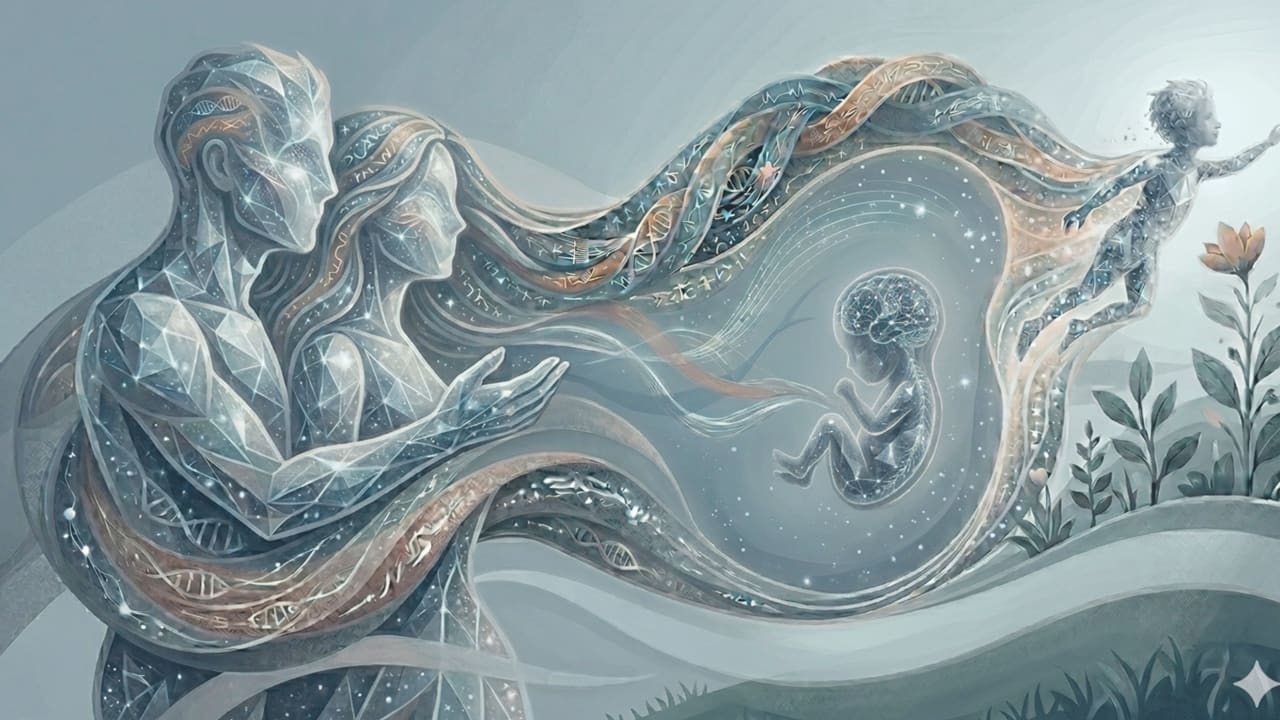
Children of Holocaust survivors face higher schizophrenia risk, Israeli study finds
Full Article
📰 Original Source
Read full article at Jpost →KhanList aggregates and links to publicly available news content. We do not host full articles from third-party sources. Always verify important information with original sources.