
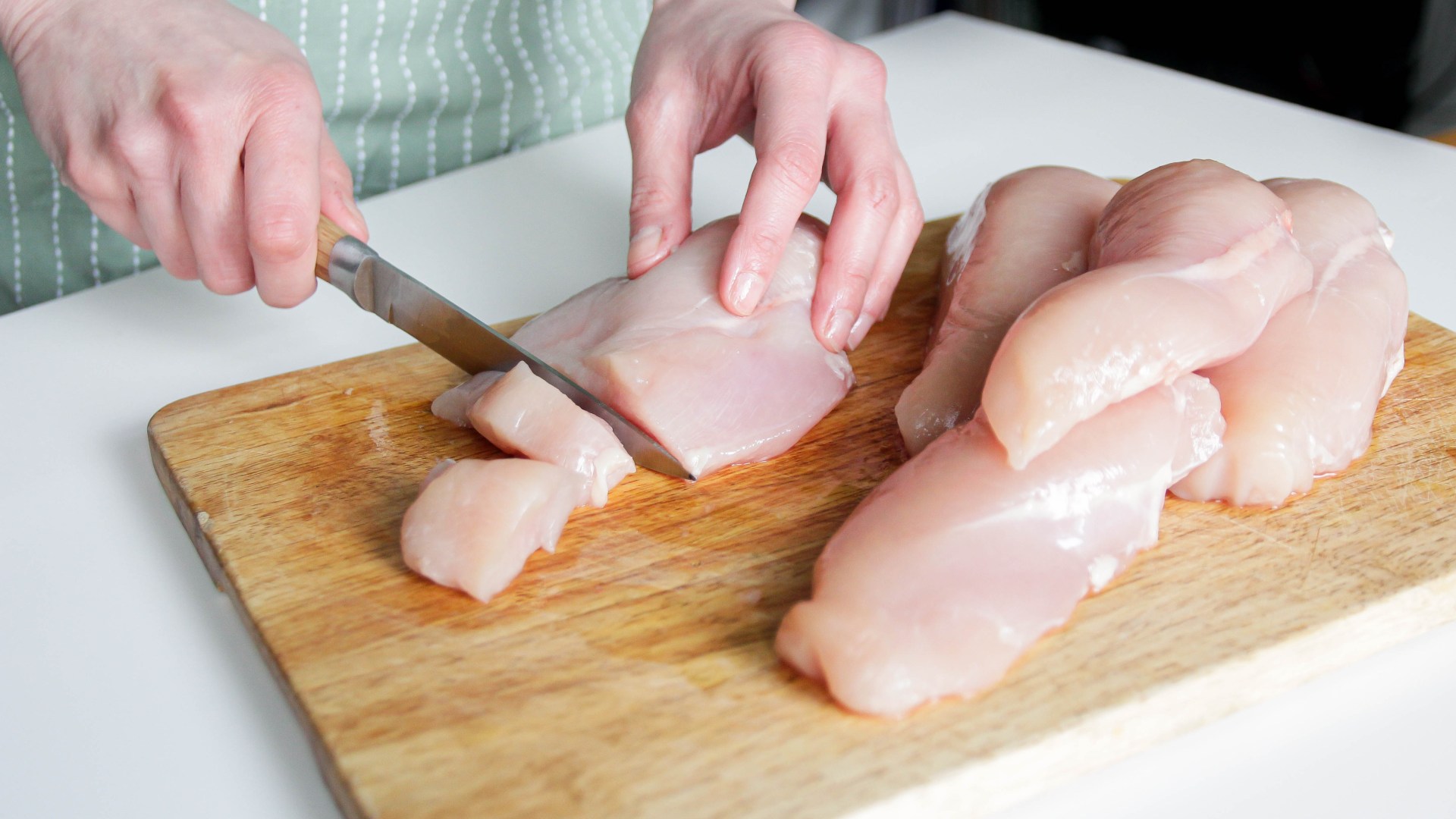
A DEADLY salmonella outbreak that has already killed one Brit has now been spotted in seven countries. At least 207 people are thought to have been sickened in the UK, which the UK Health Security Agency (UKHSA) believes “may be linked to eggs imported from outside of the UK”. European health officials are also investigating chicken products as a potential source of the outbreak Credit: Getty But now, according to the European Centre for Disease Prevention and Control (ECDC), there have been more than 130 cases reported in the Netherlands, Belgium, Germany, France, Austria and Denmark. European health officials are also investigating chicken products as well as eggs, as potential sources of the outbreak after a small number of patients in the Netherlands reported eating chicken meat. Sign up for the Health newsletter Thank you! Experts have repeatedly warned that more cases should be expected until proper control measures are put in place. The nasty bug salmonella usually causes a fever, sickness and diarrhoea that clears up in days. However, it can be fatal among those who are more vulnerable. More than a third of people affected (38 per cent) by the outbreak in the UK have been admitted to hospital, with two people developing potentially life-threatening blood stream infections, the UKHSA warned last week. Of the European cases, 106 were reported in the Netherlands, with 15 in Belgium, six in Germany, four in France, two in Austria and one in Denmark. Patients range in age from under one to 90, with a median of 31 years old. Most read in Health Officials believe the strain salmonella enteritidis is to blame. In 2025, the Dutch National Institute for Public Health and the Environment (RIVM) investigated a major outbreak of Salmonella Enteritidis with 80 patients. Possible sources were chicken products and eggs, but no clear cause was found. It comes as UK health officials on Friday warned pregnant women and under fives to avoid runny eggs when eating out over the deadly risk of salmonella. The Food Standards Agency (FSA) said vulnerable groups, including under fives, over 65s, pregnant women and those with health conditions should avoid them as well as freshly-made products that could contain uncooked eggs, such as mayonnaise, souffle and hollandaise sauce. But, they stressed that there is no evidence to suggest that UK-produced eggs are affected. At least 207 people are thought to have been sickened in the UK, which the UK Health Security Agency (UKHSA) believes “may be linked to eggs” Credit: Reuters Jacquelyn McCormick, head of incidents at the FSA, said: “The exact cause has not yet been identified, however investigations so far have identified links to eggs imported from outside the UK, mainly used by food service and catering establishments such as restaurants or cafes, as a potential source. “There is no evidence that UK-produced eggs are affected.” Will Raw, chair of the National Farmers’ Union poultry board, also said it was deeply concerning the imported eggs were linked to the outbreak. “Food produced to standards that would be illegal in the UK is still being allowed into our market,” he said. “This simply cannot be allowed to continue. “Government must ensure at a minimum that adequate checks are being conducted on imports to ensure all food coming into the country is safe and introduce a robust system of core production standards that applies equally to domestic and imported food.” Of the 207 known cases in the UK, 199 are in England, six are in Scotland, while Wales and Northern Ireland have reported one case each. The regions in England with the highest number of cases are London, where 47 cases were confirmed, and Yorkshire and Humber (38). Salmonella infections are typically caught by eating contaminated food, including poultry, meat, eggs, raw fruit and vegetables, as well as unpasteurised milk products. Infection can also occur through close contact with infected people and by cross-contamination in the kitchen, for example when utensils are used for both cooked and uncooked foods. They usually last for four to seven days and most people recover without treatment. But if you become seriously ill, you may need hospital care because the dehydration caused by the illness can be life-threatening. Comment now
Chicken now linked to salmonella outbreak that’s sickened hundreds – as deadly bug reported in seven countries
Full Article
Original Source
Read the full article at Thesun →KhanList aggregates and links to publicly available news content. We do not host full articles from third-party sources. Always verify important information with original sources.