
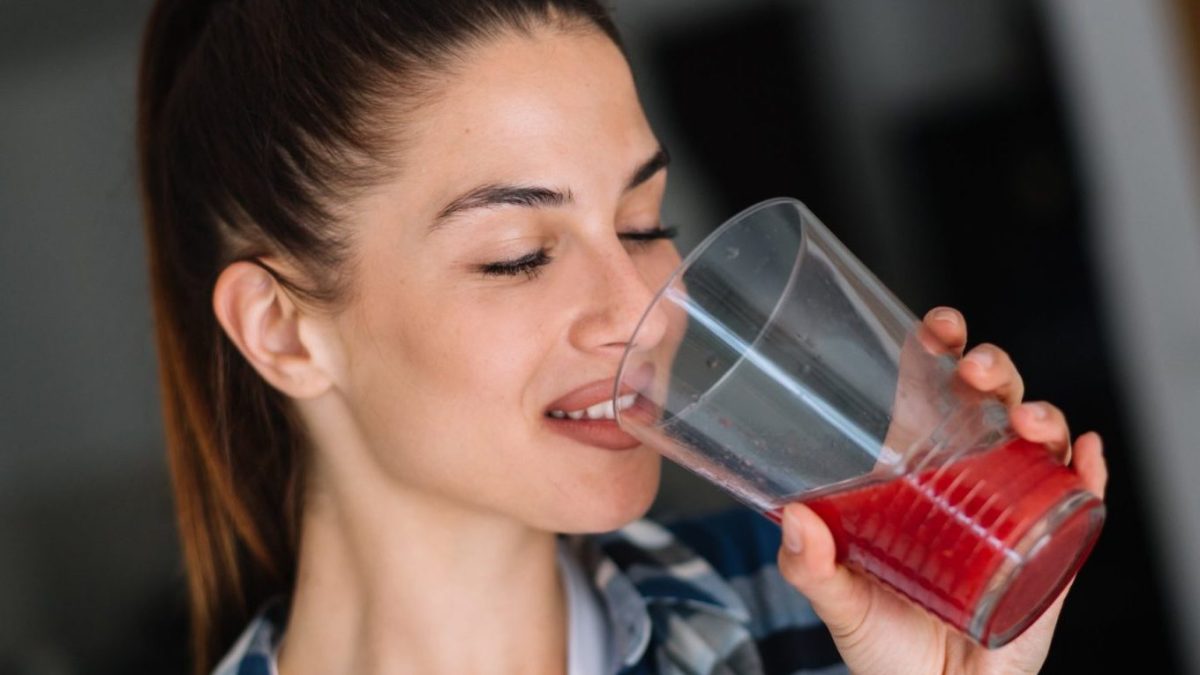
Chugging cherry juice appears to be the latest sports-performance craze, with an increasing number of footballers and cyclists spotted with the dark red drinks. Now, cherry products in supplement form – from pills to gummies and powders – are also being marketed as the perfect post-workout recovery aid. It’s claimed that certain cherry varieties can help us recover after exercise by promoting muscle cell repair and dampening inflammation. But how well do the health claims really stack up? Shorts History of the claim The interest in cherries began with research at Northumbria University, which investigated the potential health benefits of Montmorency cherries, a popular variety of tart cherry. This variety has less sugar and higher acidity levels than typical edible cherry varieties, and so is commonly used in desserts or as juice, where sugar can be added for taste. As well as being more sour, tart cherries also contain higher levels of a group of plant biochemicals called anthocyanins, which experts believe to be generally beneficial for health. They are also what give a dark red colour to many fruits and vegetables. Tests on cells grown in the lab suggest anthocyanins are anti-inflammatory and also serve as antioxidants – meaning they help absorb potentially harmful compounds called free radicals, which are made when cells burn glucose for energy. The potential benefits of anthocyanins were already known. But Northumbria University says its researchers were the first to show the benefits of cherry juice on muscle recovery after exertion. The team used marathon runners as their guinea pigs. When taken from five days before the race, the juice improved muscle strength in the days afterwards and reduced muscle damage, as measured by several blood tests. Since then, there has been a flurry of other studies in different sports – especially cycling – with similar promising findings, which cherry juice and supplement manufacturers have been keen to highlight. The reasons to doubt The health claims have become even more impressive, expanding to include benefits for blood sugar regulation and blood pressure. The trouble is that there are plenty of other studies with negative findings – and those are the ones that tend not to get mentioned. For instance, a recent review of all the research found that there had been 22 studies looking at muscle soreness after exercise; six found that cherry juice or extract led to less pain, while the rest found no benefit. Of 14 studies looking at strength recovery after activity, seven found a benefit, while the other seven found none. And of 10 studies looking at the effects on performance during the exercise, four found a benefit, while six found none. Put together, they are hardly a ringing endorsement of the unique healing powers of cherries. There are other reasons to doubt the claims. Most of the trials are small, with only a handful of participants in each treatment group, and were funded by cherry juice manufacturers. Only one of all the trials followed a basic quality-control measure called pre-registration – which involves publicly releasing all the details of the study methods beforehand, making the paper’s conclusions more likely to be trustworthy. What you can do instead (it’s simple) Lastly, most of the studies have been done in professional athletes, which means that even if cherry juice does benefit those exercising at that level, it’s unclear how that would affect ordinary people just trying to stay fit, said Bridget Benelam, a scientist at the British Nutrition Foundation. “If you’re training really hard at high level, there might be more muscle damage,” she said. “We need more studies in everyday settings.” Most scientists agree that anthocyanins are good to have in our diet – but they are present in lots of different fruits and vegetables, not just tart cherries. In fact, if we want to make sure we are consuming enough beneficial nutrients, it is generally advised to eat a diverse range of different plants, rather than focusing on one fruit. “Consuming a wide range of different fruits and vegetables, particularly looking at the range of different colours that you can see, will give you a big range of different bioactive compounds,” Benelam said.
Cherry juice hailed as the new post-workout drink – but does it really work?
Full Article
Original Source
Read the full article at Inews →KhanList aggregates and links to publicly available news content. We do not host full articles from third-party sources. Always verify important information with original sources.