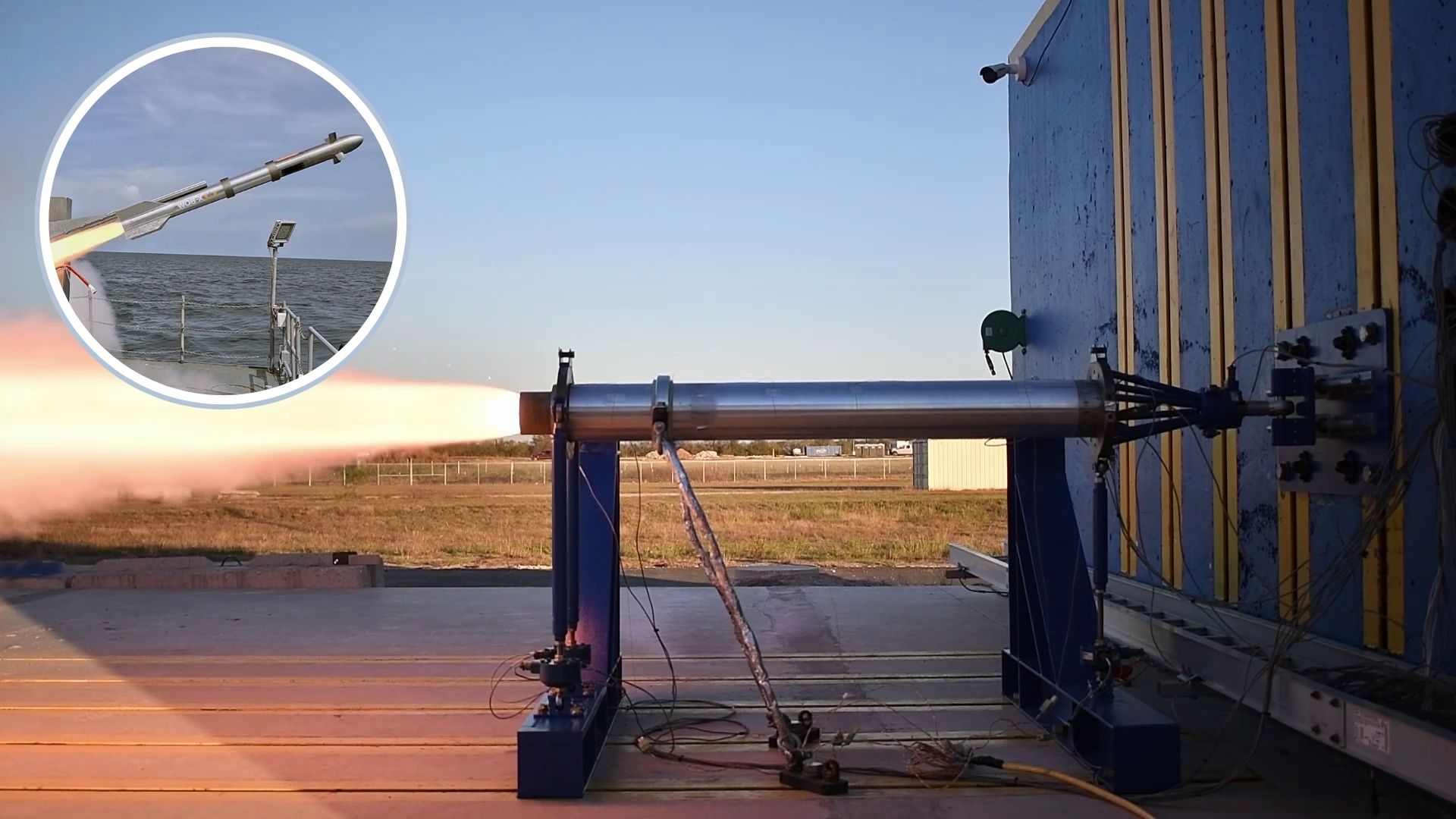
Missile defense faces a difficult cost problem. The weapons needed to stop incoming threats can cost millions of dollars each. A Patriot interceptor, for example, can cost around $2-$4 million. That creates a costly equation during large-scale missile attacks. X-Bow Systems has now received nearly $11 million to help bring those costs down. $11 million test The U.S. Missile Defense Agency awarded X-Bow a $10,981,581 contract to develop and flight-test a Low-Cost Interceptor. The effort falls under the agency’s Rapid Response Small Launcher Technology program. It also supports MDA’s broader Low-Cost Interceptor initiative. MDA wants technologies that could reduce the cost of intercepting ballistic, hypersonic, and cruise missile threats. Its target is ambitious. The agency seeks interceptor technologies that could bring costs below $750,000 per round. X-Bow plans to take an integrated approach. It will develop the interceptor and power it with a solid rocket motor built in-house. That gives the company control over a component that can create serious production bottlenecks. Founder and CEO Jason Hundley said America’s existing supplier base cannot meet growing demand. “America can’t out-produce today’s threats with yesterday’s supplier base,” Hundley said. The Phase II award will now fund development and flight testing of X-Bow’s proposed interceptor. Tackling motor bottleneck Solid rocket motors sit at the heart of many U.S. missiles and interceptors. Yet the industry has long depended on a relatively small group of major suppliers. That becomes a problem when demand rises quickly. Manufacturers need specialized facilities and technical expertise to increase motor production. They cannot simply add another assembly line and expect output to rise overnight. X-Bow wants to avoid some of that dependence as its model brings interceptor development, rocket motor manufacturing, and flight testing under one roof. The company can potentially move faster by controlling a critical part of the supply chain. Engineers could also make propulsion changes without relying on an outside motor supplier. That approach already forms the basis of another X-Bow interceptor called Buckler. The company recently unveiled the system as a low-cost weapon against Group 3 drones. Buckler can engage those drones at supersonic speeds and has already undergone flight testing, according to X-Bow. The company says the interceptor costs less than $100,000. X-Bow builds Buckler’s airframe, solid rocket motor, and propellant itself. That gives it greater control over production costs and output. The company also uses fixed and deployable manufacturing systems across multiple programs. Those capabilities could prove important if the Pentagon needs to increase interceptor production quickly. More interceptors for less The new MDA effort presents a larger challenge than Buckler. The agency wants an interceptor capable of addressing ballistic, hypersonic, and cruise missile threats. Its price target also remains aggressive. A sub-$750,000 interceptor would cost far less than many existing missile defense weapons. Not every threat can be handled by the same interceptor. Some missions will still require more sophisticated and expensive weapons. Yet cheaper interceptors could become increasingly important against large missile salvos. Defenders need enough weapons to sustain an engagement without exhausting inventories or budgets.X-Bow’s upcoming flight tests will therefore assess more than a new interceptor design. They will also test whether tighter control over propulsion and manufacturing can help expand America’s interceptor supply.Get the latest in engineering, tech, space & science - delivered daily to your inbox.Aamir is a seasoned tech journalist with experience at Exhibit Magazine, Republic World, and PR Newswire. With a deep love for all things tech and science, he has spent years decoding the latest innovations and exploring how they shape industries, lifestyles, and the future of humanity.
Cheap missile interceptor wins $11M Pentagon award to down hypersonic aerial threats
Full Article
Original Source
Read the full article at Interestingengineering →KhanList aggregates and links to publicly available news content. We do not host full articles from third-party sources. Always verify important information with original sources.