
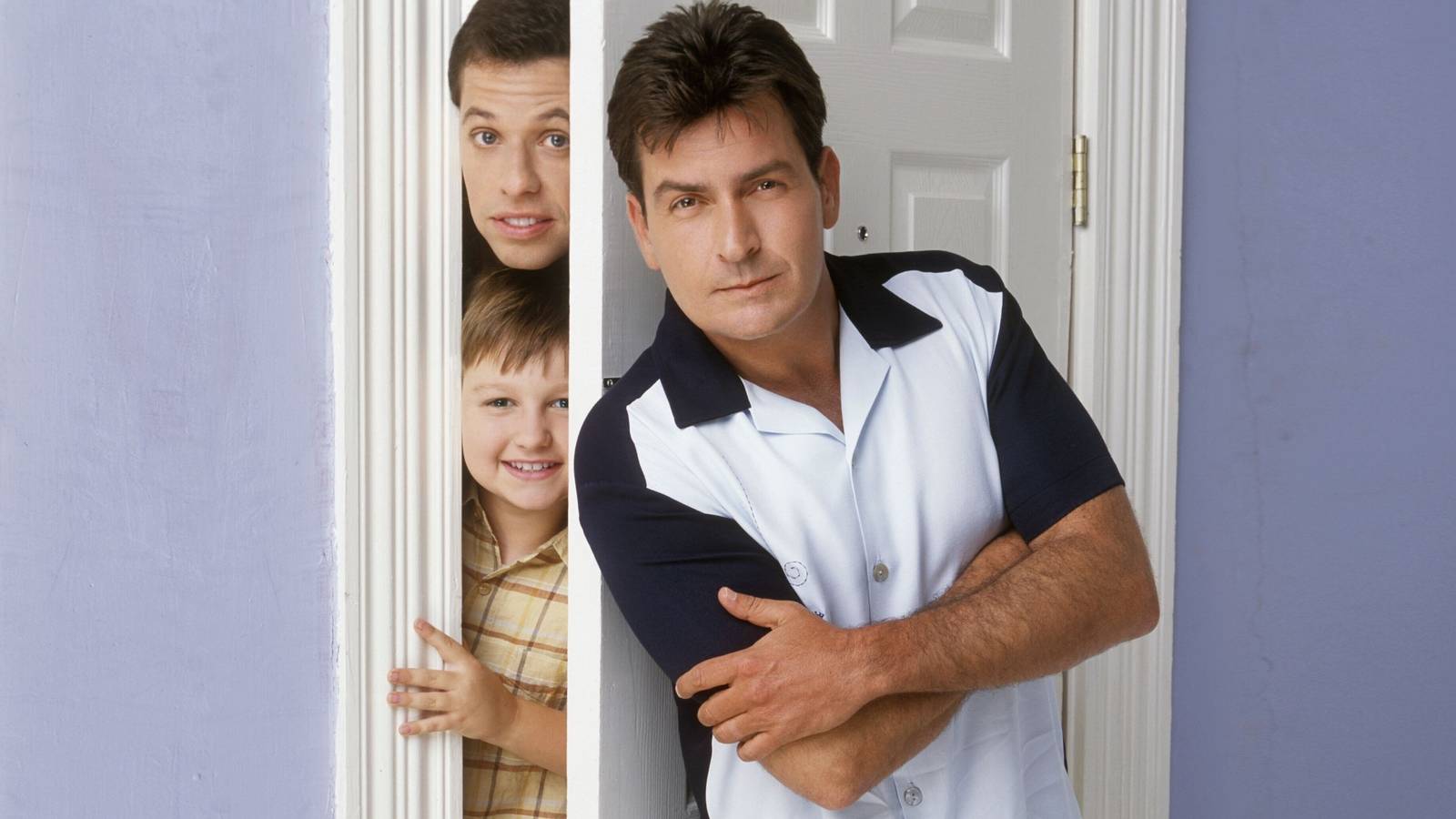
Published Nov 16, 2026, 12:30 PM EST Ben Sherlock is a Tomatometer-approved film and TV critic who runs the massively underrated YouTube channel I Got Touched at the Cinema. Before working at Screen Rant, Ben wrote for Game Rant, Taste of Cinema, Comic Book Resources, and BabbleTop. He's also an indie filmmaker, a standup comedian, and an alumnus of the School of Rock. Leading up to the long-overdue end of Two and a Half Men, there was rampant speculation about whether or not Charlie Harper would return. Midway through the eighth season, Charlie Sheen had been fired from the show for substance abuse issues, and the producers charged on for four more seasons with Ashton Kutcher as their new lead. There were ups and downs in the Kutcher years, but let’s face it: Two and a Half Men died with Charlie, and they should’ve just cut their losses and ended the show after Sheen’s departure. In its final season, Two and a Half Men finally started to claw its way back to its original premise of dysfunctional co-parenting, as Walden adopted a little boy and he and Alan clashed on how to raise him. But in its final episode, it threw that storyline out the window so that co-creator Chuck Lorre could rehash his public feud with Sheen, four years on. All throughout the final episode, we get hints that Charlie’s death was faked, and he’s come back for revenge (not on the stalker who trapped him in a well for the past four years, but on the family who loved and supported him and never gave up on him — that makes sense!). In the end, Charlie Harper made an appearance, but Charlie Sheen didn’t. A bowling-shirt-clad body double, shown from behind, walks up to the front door of the beach house, rings the doorbell, and gets flattened by a falling piano. Lorre then breaks the fourth wall to say, “Winning!,” before a second piano falls on him. It torched the legacy of the show, and the last remaining shred of goodwill in the fan base that stuck around for 12 years, in the name of a petty rivalry that had been put to bed years earlier. Charlie's "Return" Proved Two And A Half Men Didn't Work Without Him Charlie’s “return” in the Two and a Half Men finale was in extremely poor taste. Lorre reopened his old feud with Sheen without giving Sheen the opportunity to give his side. He spends the entire episode torturing Sheen’s character, then drags him out of the well to crush him with a piano. After the credits, Lorre’s vanity card reveals that Sheen refused to return for the finale because he found that ending for his character to be insulting, which is perfectly understandable. We all predicted that Two and a Half Men was going to do something spiteful and vindictive with Charlie’s character, but even with that expectation, the finale went over the line. Just the fact that Two and a Half Men spent its entire series finale obsessing over Charlie, after trying to make so many other characters and storylines work since he left, goes to show that the series never moved on from Charlie. They brought in guest star Kathy Bates to play his ghost, they brought in Amber Tamblyn to play his long-lost daughter, and, of course, in the finale, they brought him back from the dead, had him vacuum up cocaine in a weird animated segment, and then pancaked him with a piano. The whole finale just served as a reminder that they should’ve canceled Two and a Half Men after Sheen left. It’s no surprise that Lorre and Warner Bros. decided they could no longer work with Sheen, as his dependencies worsened, but they shouldn’t have tried to keep the series going without him. Kutcher was fine, but Two and a Half Men was the perfect star vehicle for Sheen, and it felt incomplete without him. The Office faced the same problem when it lost Steve Carell, but at least they got the real guy back for the finale.
Charlie Harper's Two And A Half Men Return Made Things So Much Worse
Full Article
Original Source
Read the full article at Screenrant →KhanList aggregates and links to publicly available news content. We do not host full articles from third-party sources. Always verify important information with original sources.