
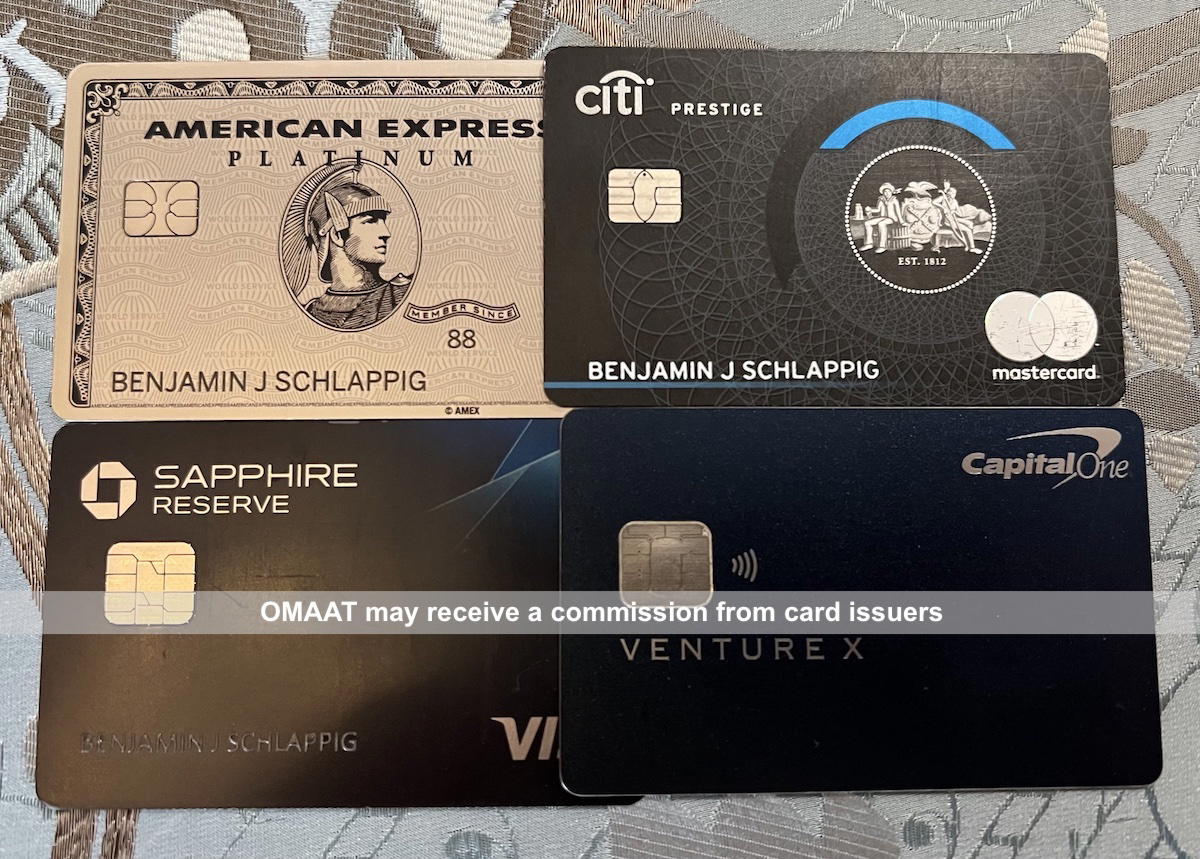
We often generically use the term “credit card” to refer to cards that allow us to make purchases that we can pay for later. However, there are also charge cards (often referred to as hybrid cards, or cards with no preset spending limits). In this post, I’d like to cover the differences between charge cards and credit cards, as there are some important distinctions. What’s the difference between a charge card and a credit card? What makes a charge card different than a credit cardCharge cards have no preset spending limitCharge cards have to be paid in full each billing cycleCharge cards don’t count toward credit utilizationCharge cards may require higher credit scoresThe Amex five credit card limit is a considerationShould you get a charge card or a credit card?Which popular products are not credit cards?Charge card vs. credit card FAQsBottom line What makes a charge card different than a credit card What separates a charge card from a credit card? It’s possible that you’ve been using a charge card without even knowing it. Let me start with a chart comparing the basic differences, and then I’ll get into more detail below. FeatureCharge cardCredit cardSpending limitNo preset spending limit; spending power can adjust based on factors such as spending and payment historyHas a stated credit limit that can’t be exceededPaying the balanceGenerally must be paid in full each billing cycle, although some cards offer an optional pay-over-time featureYou can pay the minimum and carry a balanceInterest chargesThere are no direct interest charges, but instead, you may be stuck paying feesInterest charges apply if you don’t pay your full balance before the due dateCredit utilizationSpending generally doesn’t count toward credit utilizationSpending does count toward credit utilizationLarge purchasesCan provide more purchasing flexibility because there isn’t a published credit lineA large purchase can use a substantial portion of the available creditCredit requirementsGenerally aimed at people with good or excellent creditMuch wider range, including cards designed for people building or rebuilding creditCredit score implicationsSpending isn’t included in the traditional credit utilization calculationUtilization can affect your credit scoreAmex card limit considerationCertain Amex cards without preset spending limits don’t count toward Amex’s five credit card limitTraditional Amex credit cards generally count toward that limit Charge cards have no preset spending limit Probably the most obvious thing that separates a charge card from a credit card is that a charge card has no preset spending limit, while a credit card has a credit limit. On a traditional credit card, you have an exact published maximum amount of credit that you’ll be extended, and you can’t exceed that. However, on a charge card, the maximum amount you can spend isn’t published. Now, to be clear, that doesn’t mean you can spend an unlimited amount. There’s still a maximum amount you can spend, it’s just that you’re not told what that is. Charge cards are also more likely to adjust to your spending patterns over time, so you may quickly notice that your ability to spend increases. On balance, cards with no preset spending limit generally allow you to spend more than cards with specific credit lines, but that’s not always the case. Charge cards have no preset spending limit Charge cards have to be paid in full each billing cycle On a credit card, there’s a minimum balance you have to pay each billing cycle, but then you can finance the rest of your bill over time. That’s because it’s a revolving credit account. I generally wouldn’t recommend doing this, since credit card interest rates can be really high, so it’s not how I’d advise accessing money, unless you have some amazing 0% intro APR offer. With charge cards, you generally have to pay your balance in full each billing cycle, since it’s not a revolving credit account, so the card typically carries no interest. This distinction gets blurred a bit, because a lot of charge cards will let you enroll in a plan to pay over time. However, this is something that you usually have to explicitly opt into, and it’s not offered on all cards, unlike on credit cards. Charge cards don’t count toward credit utilization Maintaining a good credit score is important, and credit utilization makes up 30% of your credit score. Credit utilization is how much of your available credit you’re using, typically measured at the time that your statement closes (though there are some tricks to lowering this). While your spending patterns on credit cards count toward your credit utilization, your spending on charge cards doesn’t. That’s because there’s no preset spending limit, and therefore there’s no denominator for measuring your credit utilization. So if you’re going to make large purchases and don’t plan to pay them off before your statement period closes, there’s a big advantage to using a charge card. Let me emphasize that just because charge cards don’t impact your credit utilization, doesn’t mean that they don’t impact your credit score. Charge card activity is still otherwise reported to the major credit bureaus, including for things like missed payments. Charge cards may require higher credit scores While there are some credit cards for those with bad credit scores, there aren’t really charge cards for those with bad credit scores. I don’t think this impacts most OMAAT readers, since those of us into miles and points generally have good to excellent credit, which is required for many premium cards. Besides, we pick up these cards because of the rewards that they offer, rather than for access to a credit line. The reason for this distinction is that there are plenty of secured credit cards for those who are building their credit. The same concept wouldn’t really work for a card with no preset spending limit. The Amex five credit card limit is a consideration Admittedly this is niche to the average consumer, but it’s worth pointing out how sometimes this distinction can impact whether you can get approved for a card. For example, Amex has a five credit card limit, whereby most consumers can’t get more than five credit cards from Amex, between personal and business cards. However, there are cards with no preset spending limit, which don’t count toward that credit card limit (I’ll cover them in a dedicated section below). So this is an easy way to potentially hold onto more than five Amex cards at a time, and potentially allows you to take advantage of more great welcome offers. Some Amex cards aren’t credit cards Should you get a charge card or a credit card? Personally I have a mix of credit cards and charge cards. I decide to pick up cards based on their overall value proposition, rather than based on this specific distinction. Just as an example, the Capital One Venture X Rewards Credit Card (learn more) is a traditional credit card, while the Capital One Venture X Business (learn more) has no preset spending limit — I have both of them, and find them to both be worthwhile. For some people I think the distinction will be more important. For example, if you frequently make very large purchases that would be close to the credit limit on a traditional credit card, then you might be better off with a charge card. That’s because those purchases wouldn’t count toward your credit utilization. Conversely, if you don’t often make large purchases, there’s value to potentially having a credit card, so that your credit score can benefit from your spending patterns. Bigger picture, I select cards based on their fees, rewards structures, and perks, and those factors are more important to me than whether a product is a charge card or credit card. The Capital One Venture X is a credit card Which popular products are not credit cards? So, among the popular rewards credit cards, which are not considered credit cards? All things considered, they’re relatively rare nowadays. With Bank of America, Chase, and Citi, all major cards are considered credit cards. However, there are some Amex and Capital One cards that aren’t considered credit cards. Specifically, the following Amex cards don’t have a preset spending limit, so wouldn’t count toward the Amex five card limit: American Express Platinum Card® (learn more) The Business Platinum Card® from American Express (learn more) American Express® Gold Card (learn more) American Express® Business Gold Card (learn more) Graphite™ Business Cash Unlimited Card (learn more) No Preset Spending Limit means your Spending Limit is flexible. Unlike a traditional card with a set Limit, the amount you can spend adapts based on factors such as your purchase, payment, and credit history. While all Capital One personal cards are credit cards, there are some business cards that are charge cards. These include the Capital One Venture X Business (learn more) and Capital One Spark Cash Plus (learn more). Charge card vs. credit card FAQs How is a charge card different than a credit card? A charge card generally requires you to pay the balance in full each billing cycle, rather than carrying a revolving balance month to month, which a credit card allows. Can you carry a balance on a charge card? Traditionally, you can’t carry a balance on a charge card. However, some modern charge cards offer features that allow certain purchases to be paid over time. Do charge cards charge interest? As a general rule of thumb charge cards don’t charge interest, and you just have to pay off your balance in full each billing cycle. Do charge cards have spending limits? Charge cards don’t have traditional preset spending limits. However, that doesn’t mean you can spend an unlimited amount. The issuer can instead determine purchasing power based on factors such as your spending patterns, payment history, and creditworthiness. Is a charge card bad for your credit score? No, a charge card absolutely isn’t bad for your credit score. In some situation consumers could even benefit from spending on these cards not counting toward your credit utilization, for those who utilize a lot of their credit. However, it also doesn’t positively contribute to your credit score if you typically have a low credit utilization. Can a charge card affect your credit score? Yes, a charge card can impact your credit score, but typically not as consistently as a credit card, since credit utilization isn’t generally reported. Still, payment history and other reported account information can affect your credit profile. Are charge cards harder to get than credit cards? There’s not a consistent answer, though with some card issuers, charge cards are a bit harder to be approved for than credit cards, given the potentially higher flexibility with how much you can spend. Are charge cards or credit cards better for rewards? Neither type of card is inherently better for rewards, as it all depends on the specific card’s value proposition. Bottom line While most people know what a credit card is, fewer people are familiar with charge cards (or cards without preset spending limits, or hybrid cards, as they’re sometimes referred to). There are some significant distinctions, like charge cards not having a preset spending limit, having to be paid in full each billing cycle (at least without registering for some payment plan), not counting toward credit utilization, and more. What’s your take on credit cards vs. charge cards?
Charge Cards Vs. Credit Cards: The Key Differences Explained
Full Article
Original Source
Read the full article at Onemileatatime →KhanList aggregates and links to publicly available news content. We do not host full articles from third-party sources. Always verify important information with original sources.