
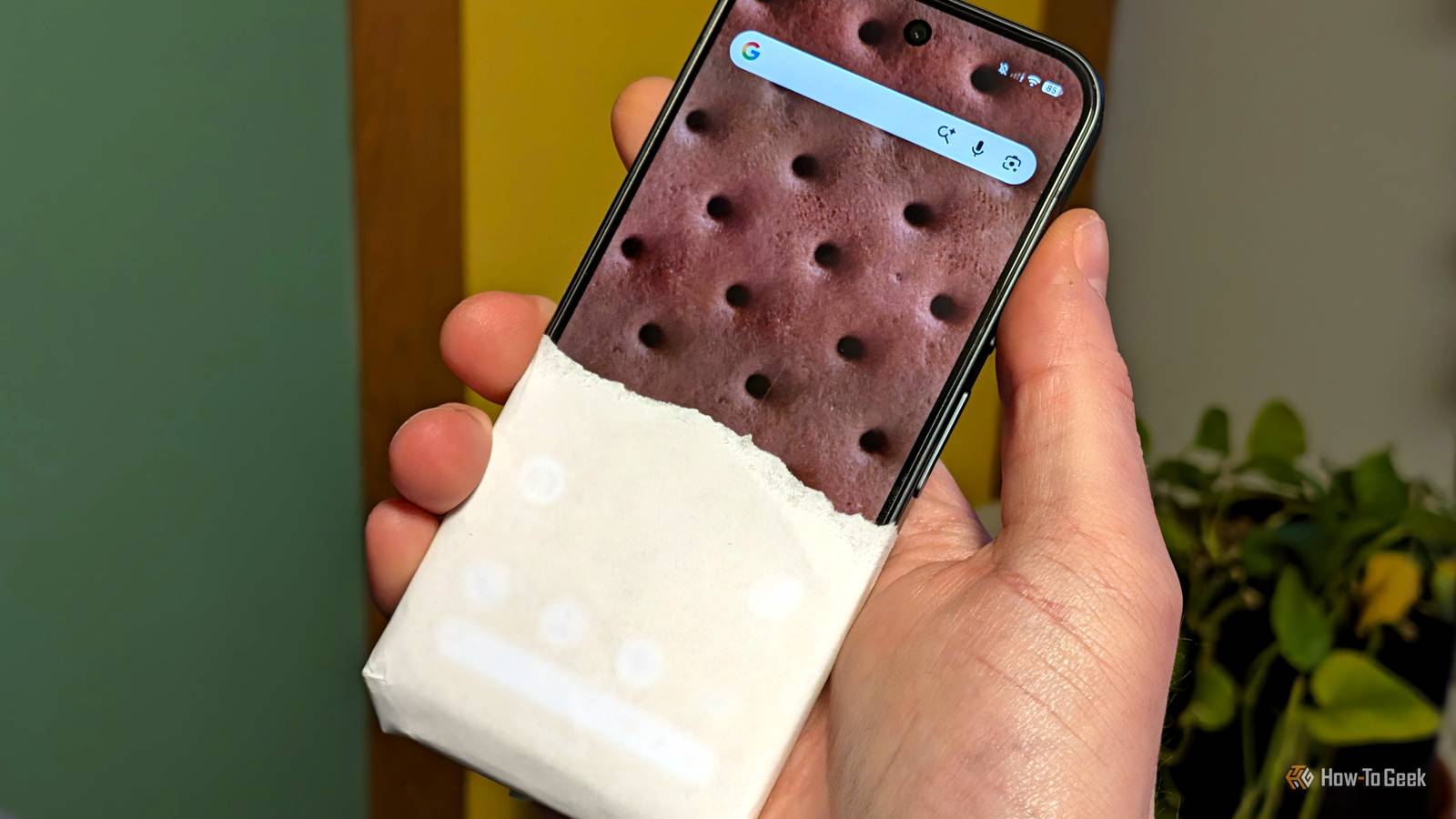
Published Nov 29, 2026, 6:30 AM EST Joe Fedewa has been writing about technology for over a decade. Android and the rest of the Google ecosystem have been a focus for years, as well as reviewing devices, hosting podcasts, filming videos, and writing tutorials. Joe loves all things technology and is also an avid DIYer and food blogger. He has written thousands of articles, hundreds of tutorials, and dozens of reviews. Before joining How-To Geek, Joe worked at XDA-Developers as Managing Editor and covered news from the Google ecosystem. He got his start in the industry covering Windows Phone on a small blog, and later moved to Phandroid where he covered Android news, reviewed devices, wrote tutorials, created YouTube videos, and hosted a podcast. From smartphones to Bluetooth earbuds to Z-Wave switches, Joe is interested in all kinds of technology. After several years of jailbreaking and heavily modifying an iPod Touch, he moved on to his first smartphone, the HTC DROID Eris. He's been hooked ever since. Android 4.0 Ice Cream Sandwich made its debut 15 years ago. It was a legendary release that many fans still believe was the peak of the platform, and I’m right there with them. Android 17 could learn a lot from ICS. Now, when we talk about old devices and software being “better” than modern versions, it’s important to note that certain aspects are clearly not better. Android 17 is far more secure and has greater overall capabilities than a 15-year-old operating system. However, it’s the ideas and spirit that can be compared. The #HOLOYOLO era Android looked good for the first time The main reason why Android fans loved Ice Cream Sandwich so much was the “Holo” design. It’s hard to believe, but before this, Android didn’t really have a design. Companies like Samsung and HTC had their own skins, but stock Android was very utilitarian. Holo came in and immediately gave Android a distinct identity. The futuristic, Tron-like design was like nothing else on the market, and it was great on the increasingly more common OLED displays. Android apps had a clear, visual aesthetic to shoot for. There was no mistaking an Android app for an iPhone app. Material Design came after Holo, and people loved it at first, too. However, the first version was 12 years ago. Material Design in Android 17 (Material 3 Expressive) is incredibly different. The latest iteration of Material Design doesn’t have the same unique feel as Holo. All of the sharp corners and vibrant colors have been smoothed over and diluted. The once compact layout is now filled with big buttons and empty whitespace. More importantly, the difference between Material 3 and the iPhone’s iOS isn’t as stark. Google and Apple have been riding the flat, minimal aesthetic for years, and now they’re both leaning back toward 3D design again. The uniqueness is gone. The Golden Age of Modding When Android actually felt open Android has always been about openness and freedom, but it may have peaked at the time of Ice Cream Sandwich. It was when all the big names were in play: CyanogenMod, Paranoid Android, Android Open Kang Project, Franco Kernel, and Xposed. Xposed was perhaps the biggest ICS era customization breakthrough. It let users make system-level changes in memory without flashing custom ROMs. All you had to do was sideload the Xposed installer and reboot. After that, you could make awesome customizations by simply installing “modules.” As someone who had installed plenty of custom ROMs before Android 4.0, tools like Xposed felt like the future of Android. But everyone knows that modern Android is much more locked down. Play Integrity, scoped storage, restricted file system access, and more make it very difficult to do deep customization. Custom ROMs and rooting are largely a thing of the past, and the tools that we do have struggle to match the same power as Xposed. It’s an unfortunate, if not predictable, outcome. Google felt more helpful Before AI took over Ice Cream Sandwich came at a time when Google still felt like the “good guy” in the tech space. Android users generally loved Google services, and they actively wanted the software that featured those services the best. That was stock Android on Nexus phones. 2011 was the year before Google Now came around, so the idea of a virtual assistant on your phone was still a very fresh idea. Yet, using Google felt more helpful than it does today. You had a search bar on the home screen (if you wanted) and the Google app. No Gemini hijacking the power button, wake commands, or rate limits. That simplicity is exactly what people loved about Google in the first place. You could get into a search, find an answer, and move on very quickly. Nowadays, it feels like Google doesn’t want you to find answers too quickly. That would mean leaving the Google app, and that’s not good. So, we have a bunch of features that are supposed to make our lives easier, but just end up making our phones more expensive. That’s not very helpful at all. Android will never be the same Clearly, Android has changed a lot over the years. Not all changes have been bad, of course. I happen to like Material 3 Expressive more than Holo, but I can admit it’s not as unique a design. I would genuinely love to see a more open and less AI-infused Android again, though. Ice Cream Sandwich marked a very exciting time for the platform.
Change my mind: Ice Cream Sandwich was better than Android 17
Full Article
Original Source
Read the full article at Howtogeek →KhanList aggregates and links to publicly available news content. We do not host full articles from third-party sources. Always verify important information with original sources.