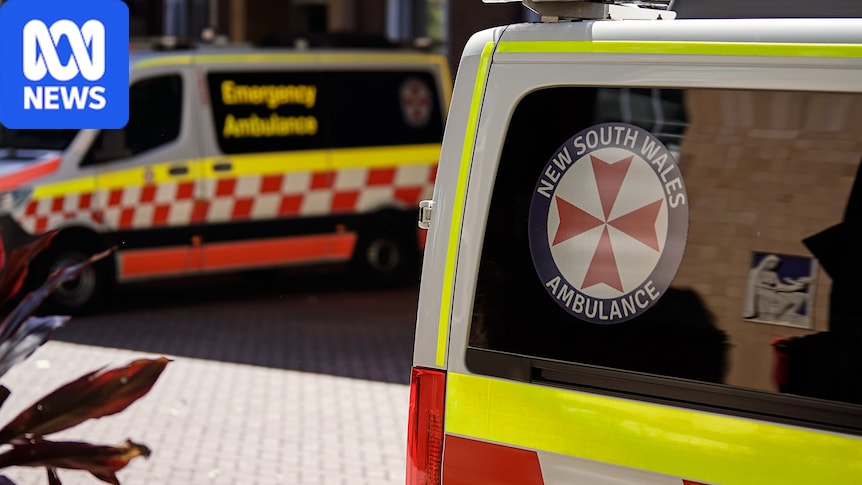
People experiencing mental health emergencies in New South Wales will be met by healthcare workers as opposed to police, under a new model being rolled out by the state government.A new Virtual Mental Health Hub will be established within NSW Ambulance, with dedicated teams to attend calls for help.The project has been funded with $270 million from the previous state budget to sustain it for the next 10 years.The move was one of the recommendations of the coronial inquest into the Bondi Junction mass stabbing and had been consistently called for by a number of mental health bodies.Under the model, the virtual team will advise emergency services and Triple Zero (000) staff on whether a mental health clinician should attend a call for help, instead of police.Incidents where there is deemed to be a safety risk will still be attended by police."In many instances, they don't need a police response with lights and sirens and the way that that can escalate, they need a health response," Minister for Mental Health Rose Jackson said.Rose Jackson says the new model has been designed in consultation with NSW Health and NSW Police. (ABC News: Marcus Stimson)The virtual hub will operate 12 hours a day, and there will be eight teams of clinicians stationed around the state.Minister for Police and Counter-terrorism Yasmin Catley said the force "welcomed the new health-led response" and had worked with NSW Health to develop the model."It is critical that people experiencing mental health emergencies get the care they need," she said.Issue under the spotlight at inquestJesse Deacon was killed in 2023 when police were called to his Glebe unit over reports he had been self-harming. (Supplied)The issue has been in focus amid the coronial inquest into the death of Jesse Deacon, who was shot dead by police at his Glebe unit in 2023, after they were called to attend a mental health episode.His mother Judy Deacon welcomed the announcement as a first step."My son and many others would still be alive if this had been in place earlier, and I'm counting on and will be watching to make sure that it's a success," Ms Deacon told the ABC.But she questioned whether the funding would be sufficient over a decade, and whether the 12-hour operational period ignored the high number of mental health episodes that occur at night."I very much welcome the additional funding … but why only 12 hours when most things happen after hours and at night?" Ms Deacon said.Jesse Deacon's mother Judy says the model should be expanded beyond 12 hours. (ABC News: Adam Griffiths)Ms Jackson responded to those concerns, saying there were hopes the program would be expanded."I recognise that mental health crises don't happen within neat 12-hour windows," Ms Jackson said."We're very open to expansion both of the hours of the virtual clinical care centre and of the mobile teams."Anita Das welcomed the new hub. (ABC News: Sean Tarek Goodwin)Anita Das, who works as a clinical nurse consultant at Cumberland Hospital, said mental health practitioners were best placed to help people experiencing a crisis."Mental health nurses have a lot of experience and are able to understand a mental health crisis and how to de-escalate patients in the midst of the chaos of the crisis patients are experiencing," she said.Nathan Diaz, a mental health clinical consultant with NSW Ambulance, said he was optimistic that more people would get the care they need through the new model."Having an entire workforce dedicated to being able to access people who might be experiencing a delayed access services means we'll be able to help a lot more people," he said.
Change in response to mental health emergencies announced for NSW
Full Article
Original Source
Read the full article at Abc →KhanList aggregates and links to publicly available news content. We do not host full articles from third-party sources. Always verify important information with original sources.