
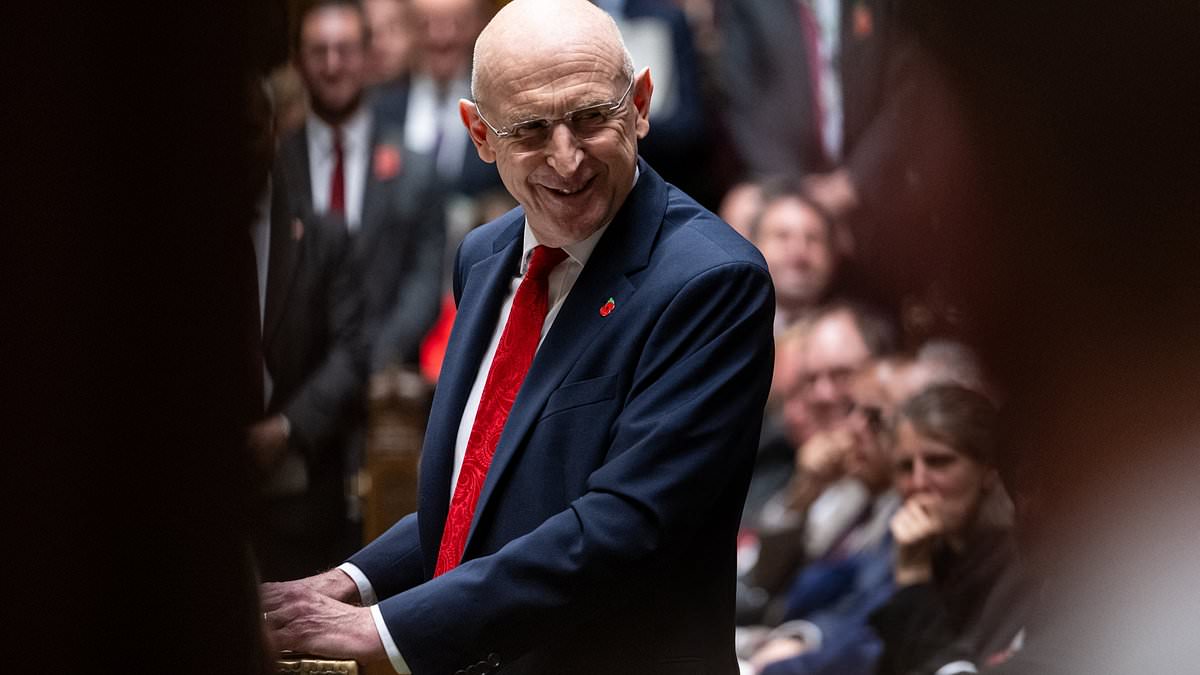
Updated: 03:46 EDT, 29 October 2026 John Healey was last night accused of using ‘made up numbers’ to balance the books as the Budget watchdog admitted soaring energy prices meant its figures were already out of date.It was claimed that the Chancellor was only able to meet fiscal targets by pencilling in billions of pounds in spending cuts that few believe will take place.And the Office for Budget Responsibility (OBR) said the outlook for public finances would have looked even worse if it had factored in the most recent increases in global oil and gas costs.Mr Healey’s ‘headroom’ – the buffer against meeting fiscal rules – has already shrunk from £24 billion in the spring to £15 billion as the impact of the Iran war on inflation and growth bites.The Chancellor said: ‘That is what a buffer is for: use it when you need it, rebuild it when you can.’Yet even the deteriorating picture of the public finances was based on the idea that so-called ‘unprotected’ spending will fall sharply. Healey's calculations are already out of date thanks to soaring energy prices, a leading economist saidWhile budgets for the likes of the NHS, schools and overseas aid are ringfenced, others – from prisons to the police – can in theory face big reductions.It means that, until a government spending review next year, Labour’s Budget figures are based on the assumption that those areas will face three years of 2.6 per cent real terms cuts.Paul Johnson, former director of the Institute for Fiscal Studies, protested that it was unrealistic.Mr Johnson, now provost at Queen’s College Oxford and chief economist at the 2030 Prosperity Alliance – a group of economists and business leaders - said: ‘This Budget represents myopia on steroids.‘A claim that the fiscal rules are being kept to, but a claim based in almost certainly fanciful “plans” to slash many areas of public service spending in from 2028 onwards.‘The numbers add up because the numbers were made up. If business and the country need some certainty and stability to help with growth, this Budget did not provide it.’The public finance picture was made worse because of soaring oil and gas prices.Yet it used energy market figures dating back to the middle of August, since when prices have risen even further.The OBR said the gap between that window and the Budget itself was larger than usual after the Treasury asked for ‘greater policy decision-making time’.OBR economist David Miles noted that prices were now ‘pretty substantially higher’. Back then, oil prices were up by 35 per cent and gas had doubled compared to before the war. But now, oil is 70 per cent up and gas has tripled since the start of the conflict.That suggested the public finance forecasts were now ‘somewhat optimistic’ and should be closer to a ‘severe’ scenario which wiped £17 billion off the headroom.Sanjay Raja, chief UK economist at Deutsche Bank, said: ‘Big spending decisions loom in the new year.’On top of the spending review, the Chancellor will need to find more money to pay for Andy Burnham’s plan for a national care service as well as higher defence spending, which could leave him with a ‘fiscal hole’ of up to £40 billion in the new year, Mr Raja said.That could ‘raise concerns around the credibility of projected fiscal tightening’, he added.Mr Raja added: ‘For now, the Chancellor has bought himself more time, but the UK is walking an increasingly fine fiscal line, with the harder choices still to come.’DIY INVESTING PLATFORMSAJ BellAJ BellEasy investing and ready-made portfoliosHargreaves LansdownHargreaves LansdownFree fund dealing and investment ideasinteractive investorinteractive investorFlat-fee investing from £4.99 per monthFreetradeFreetradeInvesting Isa now free on basic planTrading 212Trading 212Free share dealing and no account feeAffiliate links: If you take out a product This is Money may earn a commission. These deals are chosen by our editorial team, as we think they are worth highlighting. This does not affect our editorial independence.Compare the best investing account for you
Chancellor's numbers only add up because they were made up, warns leading economist
Full Article
Original Source
Read the full article at Dailymail →KhanList aggregates and links to publicly available news content. We do not host full articles from third-party sources. Always verify important information with original sources.