
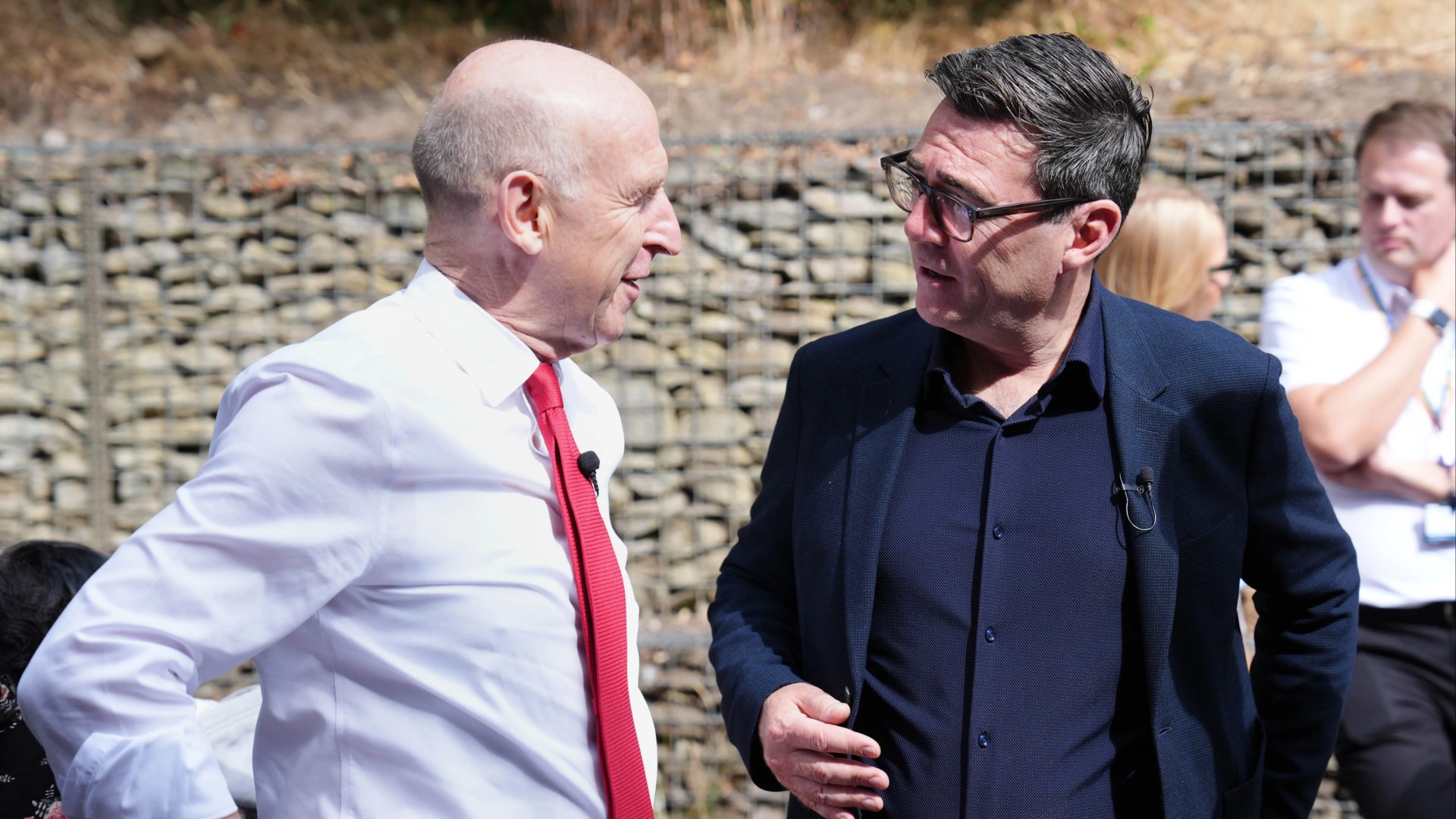
BRITAIN’S borrowing costs have soared to their highest level in 18 years, piling fresh pressure on Chancellor John Healey ahead of next month’s Budget. The yield on 10-year UK government bonds, known as gilts, jumped to 5.21% on Tuesday, the highest since June 2008. The 30-year gilt yield also surged, hitting 5.88%, the highest level since March 1998, pushing up the long-term cost of government debt. It came as investors sold off government bonds around the world, driving up borrowing costs from Japan to Germany. Sign up for the Money newsletter Thank you! The sell-off was triggered by fears that central banks could be forced to raise interest rates again, after fresh fighting in the Middle East sent oil prices surging. Brent crude, the global oil benchmark, jumped above $91 (£67) a barrel, stoking fears that inflation could rise once more. Gilts are essentially IOUs issued by the government to borrow money from investors. The yield is the return investors receive for lending money to the government. When yields rise, it costs the government more to borrow, putting pressure on the public finances and forcing tough choices on tax and spending. Britain has already spent around £109billion on debt interest in 2025 to 2026 alone, according to the House of Commons. Most read in Money That works out at nearly 4p in every £1 the Government spends, and is close to the highest level seen in 50 years. In next month’s Budget, Prime Minister Andy Burnham and John Healey will have to set out their economic plan for the country against a backdrop of rising borrowing costs and nasty inflation. Official figures published last week showed a surprise jump in government borrowing in July. Borrowing reached £1.8billion, some £700million more than in the same month last year. Healey has pledged to stick to the fiscal rules set by his predecessor, Rachel Reeves, even as Mr Burnham has announced a series of measures to ease the cost-of-living crisis since taking office over the summer. Meanwhile, experts believe Britain’s total national debt has now topped £3trillion for the first time. The TaxPayers’ Alliance said its estimate was based on the pace of recent borrowing. The Government borrowed £2.7billion more than expected in the first three months of this financial year because of higher debt interest payments and welfare costs. The group estimates that the Government is now borrowing £4,270 every second, equivalent to £369million a day. What it means for your money Rising gilt yields have a knock-on effect on the wider economy because they influence the cost of borrowing for households and businesses. For mortgage holders, rising gilt yields often mean higher rates, because lenders use bonds to help price their fixed-rate deals. That means anyone remortgaging soon could face steeper monthly repayments than they were expecting. Homeowners whose fixed-rate mortgage ends within the next six months should start comparing deals now. Some lenders allow borrowers to secure a new rate several months in advance, providing protection if rates rise further. It is important to compare the total cost of a mortgage rather than focusing solely on the headline rate. Arrangement, valuation and legal fees can make an apparently cheaper deal more expensive overall. Borrowers should also ask their existing lender about a product transfer, which may involve fewer fees and less paperwork. Savers could see a silver lining, as banks and building societies sometimes raise savings rates when their own borrowing costs increase. However, any boost to savings rates may be slow to filter through, and will not necessarily keep pace with inflation. Investors are also feeling the impact, with the FTSE 100 falling as much as 0.5 per cent to 10,774.87 points as the bond turmoil spooked markets. The mid-cap FTSE 250 also fell by around 0.5 per cent, hitting 24,804.41. Rising gilt yields tend to unsettle stock markets because they make government bonds a more attractive, lower-risk option for investors, pulling money away from shares. The Bank of England has kept interest rates on hold at 3.75% this year, despite hopes that they would start falling as inflation cooled. However, the latest bond turmoil is likely to make policymakers more cautious about cutting rates any time soon, meaning relief for borrowers may be further away than hoped. For the Chancellor, the timing could not be worse, with the Budget just weeks away and the cost of servicing the country’s debt rising sharply. Higher borrowing costs mean less money in the public purse for tax cuts or spending pledges, increasing the pressure on the Government to raise taxes or cut spending elsewhere. Comment now
Chancellor under pressure as UK borrowing costs hit highest level since 2008 crash – what it means for YOUR money
Full Article
Original Source
Read the full article at Thesun →KhanList aggregates and links to publicly available news content. We do not host full articles from third-party sources. Always verify important information with original sources.