
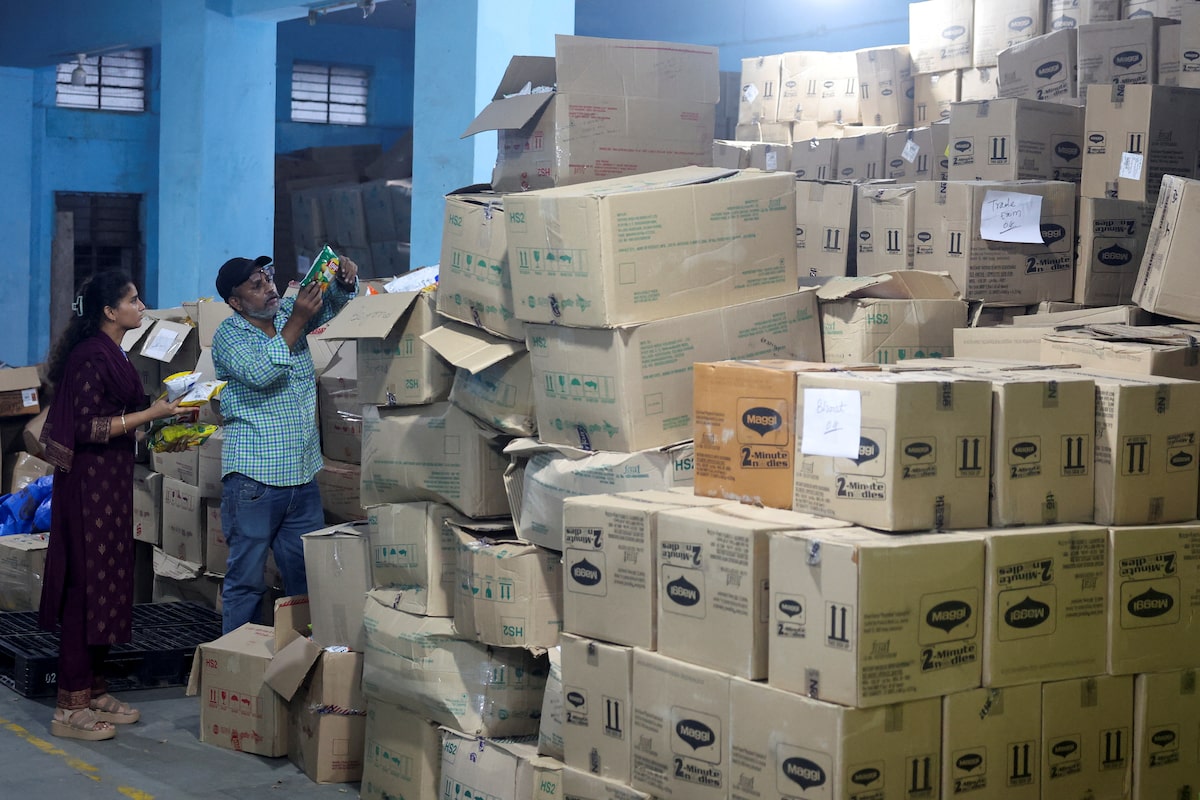
Open this photo in gallery:Maharashtra Food and Drug Administration officials inspect duplicate labels bearing altered ingredient information during a raid at a warehouse in Turbhe, India, on Aug. 25.Francis Mascarenhas/ReutersThe Canadian Food Inspection Agency is looking at whether an illegal operation in India that labelled chips and other food products with fake nutrition information and expiry dates represents a risk to the country’s imports.Indian authorities raided a Mumbai warehouse last week, seizing products worth nearly US$80,000 as well as chemicals and printing machines used to replace old dates and nutritional information on PepsiCo, Nestle, Coca-Cola and Unilever products to make them suitable for export.The agency “is monitoring the situation to determine whether it presents any risk to imports into Canada. At this time, the CFIA has no information indicating that products associated with this operation entered Canada,” it said in a statement to Reuters.“The Canadian Food Inspection Agency takes food fraud, including false date markings, inaccurate nutrition information, and misleading origin claims seriously,” it added.It is the first foreign agency to react to the incident.One packet of PepsiCo’s Indian brand Kurkure puffed chips that was found by a Reuters photographer inside the warehouse during the raid had a fake label with nutrition information in English and French, similar to the format prescribed in Canada.Open this photo in gallery:An official displays Kurkure snack packets with erased expiry dates, prices and other product details, and with new labels bearing altered ingredient information.Francis Mascarenhas/ReutersCanada’s food labelling rules require such information be shown in both languages.PepsiCo and other companies whose products were found in the raid have not commented on the matter. Indian officials have said products relabelled at the warehouse were expired or nearing expiry. The Mumbai warehouse owners carried out activities on behalf of 19 little-known exporters, officials have also said, but it is not clear which countries the goods were destined for.“We have written to concerned authorities about our findings, who will investigate details of the exporters involved,” Maharashtra FDA Commissioner Tukaram Mundhe, who led the operation, told Reuters on Thursday.India’s commerce ministry, which oversees exports, did not immediately respond to a request for comment.In its statement to Reuters, CFIA said when non‑compliant foods are identified, it takes appropriate action to protect consumers, which may include product removal, licence suspension and monetary penalties.
CFIA assessing risks to imports after India finds fake labels on food products
Full Article
Original Source
Read the full article at Theglobeandmail →KhanList aggregates and links to publicly available news content. We do not host full articles from third-party sources. Always verify important information with original sources.