
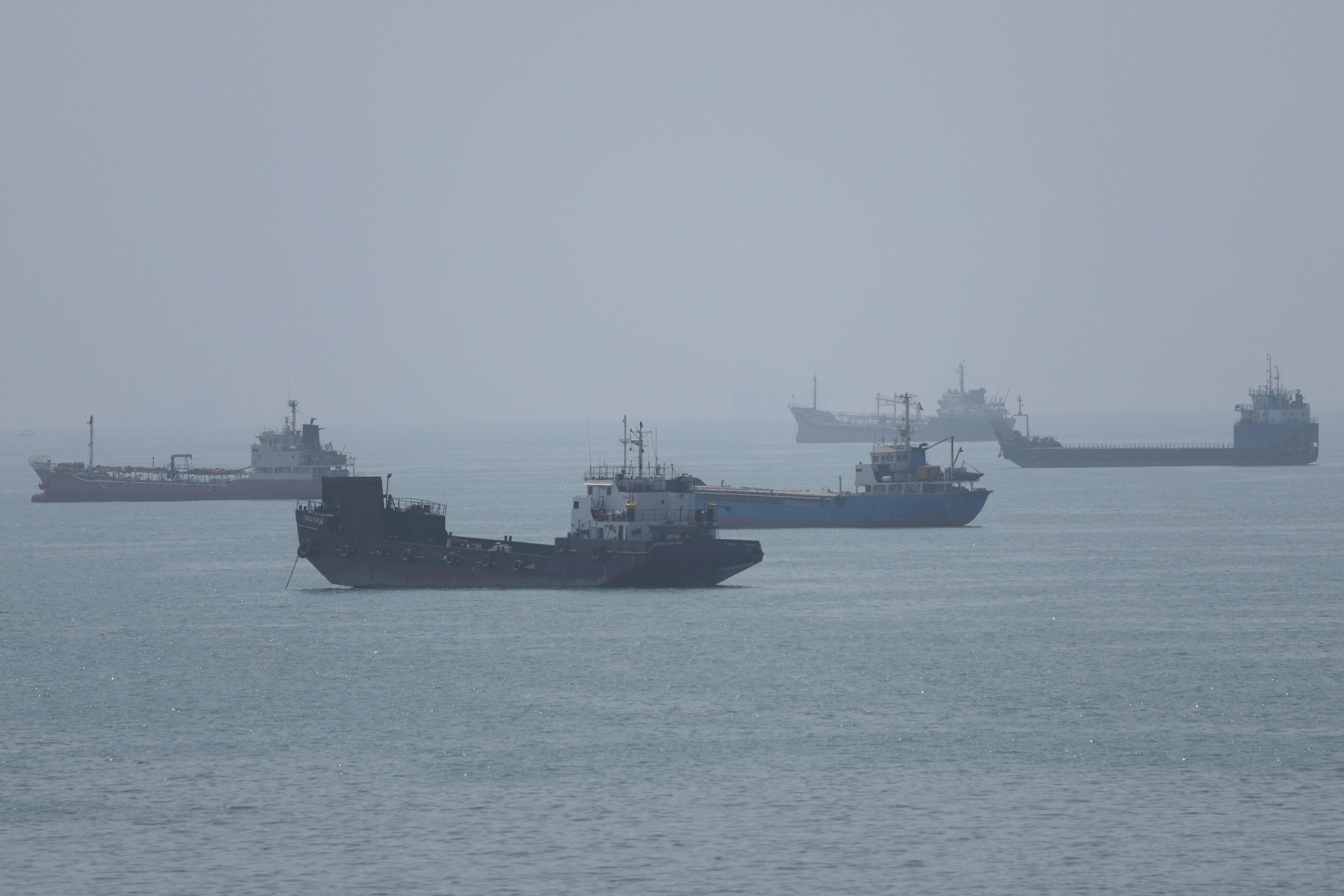
Live Blog Update| War on Iran 28 November 2026 05:12 GMT The United States Central Command (Centcom) has refuted the Iranian military's claim that Iran attacked the USS Abraham Lincoln on the first day of the war, or that the IRGC regained control of two Iranian oil tankers seized by the US forces. In a post on X, Centcom also refuted Iran's charge that it was charging $2.5 million from ships to pass through the Strait of Hormuz. An Iranian military commander made multiple FALSE claims concerning U.S. Forces over the past 24 hours: 🚫 CLAIM: The U.S. military stole two Iranian oil tankers and the IRGC’s navy retook the vessels while American troops on board slept. ✅ FACT: Iran no longer has a navy. The entire situation the Iranian military commander described is another fabricated lie. 🚫 CLAIM: Iranian naval forces struck aircraft carrier USS Abraham Lincoln (CVN 72) on the first day of Operation Epic Fury, forcing U.S. forces to seek assistance from regional countries for evacuation support. ✅ FACT: The Abraham Lincoln Carrier Strike Group was well defended and never struck by Iran as a result. In fact, the strike group completed a historically successful combat deployment to the Middle East and safely returned to the United States last month. 🚫 CLAIM: CENTCOM is charging $2.5 million to ships passing through the Strait of Hormuz. ✅ FACT: While U.S. forces and regional partners do control the Strait of Hormuz, there is no toll for passing ships. CENTCOM’s efforts have restored freedom of navigation through the international waterway. Thousands of ships and billions of crude oil barrels have transited the strait freely and safely under U.S. protection despite unwarranted Iranian aggression. — U.S. Central Command (@CENTCOM) November 28, 2026
Centcom rejects Iran's claims on warship attack, Hormuz shipping charges
Full Article
Original Source
Read the full article at Middleeasteye →KhanList aggregates and links to publicly available news content. We do not host full articles from third-party sources. Always verify important information with original sources.