
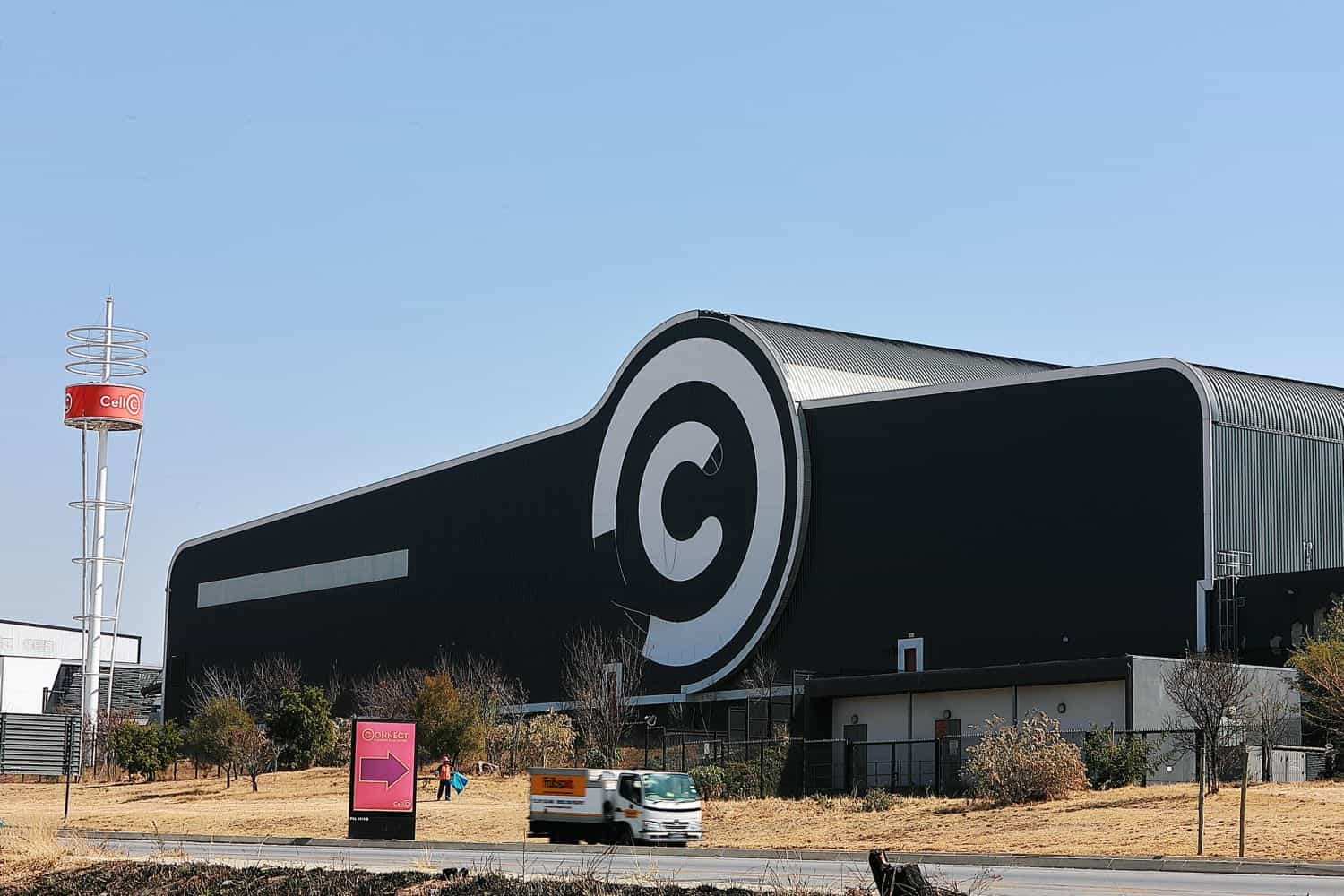
Cell C seeks to recover R28.82m it paid during spectrum auction in 2022. South Africa’s telecommunications regulator is in the crosshairs of Cell C over the auctioning of new radio frequency spectrum to mobile operators for the first time in 17 years. Cell C has instituted legal proceedings against the Independent Communications Authority of South Africa (Icasa) to recover a partial payment relating to its bid for new spectrum in the March 2022 auction. According to a disclosure in Icasa’s recently published 2025/26 annual report, Cell C is claiming R28.82 million in damages from the regulator. “The matter is currently under assessment by the authority’s legal advisers, and the outcome of the matter cannot presently be determined,” Icasa said in its annual report, with the regulator pencilling the damages that Cell C seeks against it as a liability that hinges on the outcome of legal proceedings. “Accordingly, no provision has been recognised as management is of the view that a present obligation has not yet been confirmed. No reimbursement is expected,” the regulator added. The legal dust-up has the potential to sour relations between Icasa and Cell C after what was widely hailed as a successful spectrum auction. Before Icasa pressed ahead with the auction in 2022, the last significant permanent allocation of spectrum had taken place in 2005. Release of new spectrum The release of new spectrum was the centrepiece of President Cyril Ramaphosa’s reform agenda to stimulate private-sector investment, grow the economy and create jobs. Spectrum refers to the radio frequencies used to transmit data and information. Making more spectrum available was expected to improve service quality for consumers, with fewer dropped calls, faster internet download speeds and the promise of lower mobile data costs. The March 2022 auction culminated in the participation of six companies: Cell C, Liquid Intelligent Technologies, MTN, Rain, Telkom and Vodacom – and ran for 58 rounds of bidding. Icasa said the companies collectively spent R14.4 billion purchasing new spectrum – money that went into the fiscus. Beyond the disclosure in Icasa’s annual report, the circumstances surrounding Cell C’s legal action against the regulator are not clear. Spectrum deposit dispute During the 2022 auction, Cell C successfully bid R288.2 million for a 10MHz block of spectrum in the 3 500MHz (3.5GHz) band. An industry source told Moneyweb that Cell C was required to pay Icasa a deposit equivalent to 10% of its total bid to participate in the auction. This is the same amount that Cell C is now suing Icasa for in court. In response to questions, Cell C confirmed that it was involved in ongoing legal proceedings with Icasa relating to the deposit it paid for spectrum awarded in the 2022 auction. “As the matter is before the courts, it would not be appropriate to comment on the merits of the proceedings,” a Cell C spokesperson told Moneyweb. Payment troubles Although Cell C confirmed paying the deposit, it subsequently struggled to settle the full spectrum fees owed to Icasa. According to TechCentral, the mobile operator faced difficulties making the payments because of financial and liquidity pressures. Cell C told TechCentral in February 2024 that it had resolved to enter into a payment arrangement with Icasa. At the time, it had paid part of the amount owed, while the remaining undisclosed balance was still being negotiated between the parties. Eventually, Cell C forfeited a large chunk of the spectrum to Icasa, saying it was no longer required and was inconsistent with its turnaround strategy, as reported by TechCentral. Cell C said the current court proceedings are unrelated to that forfeiture. “For clarity, this matter is unrelated to Cell C’s 2024 voluntary surrender of [a] certain microwave-link spectrum as part of its network strategy,” the Cell C spokesperson added. “Cell C values its relationship with Icasa and remains committed to constructive engagement with the regulator and South Africa’s regulatory framework.” This article was republished from Moneyweb. Read the original here.
Cell C takes Icasa to court over spectrum deposit
Full Article
Original Source
Read the full article at Citizen →KhanList aggregates and links to publicly available news content. We do not host full articles from third-party sources. Always verify important information with original sources.