
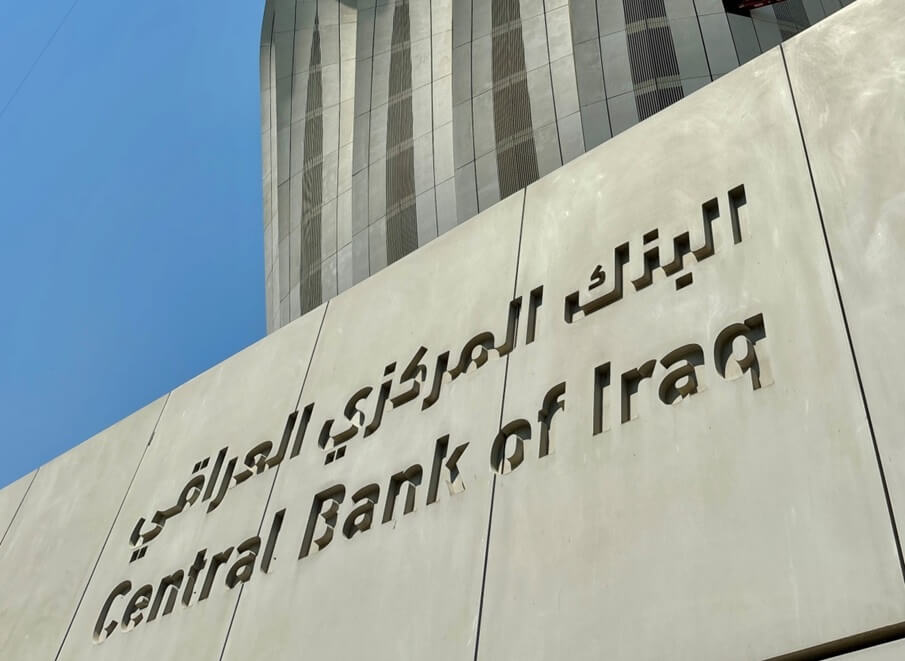
The new headquarters of the Central bank of Iraq (CBI). Photo: Zaha Hadid Architects Baghdad (IraqiNews.com) — The Governor of the Central Bank of Iraq (CBI), Nizar Nasser Hussein, affirmed on Sunday, September 6, 2026, that redesigning or issuing new currency denominations falls strictly under the legal jurisdiction of the central bank, whereas re-denominating the currency by deleting zeros requires formal legislation passed by the Council of Representatives. Speaking during an economic dialogue with financial specialists and reported by the Iraqi News Agency (INA), Hussein outlined ongoing banking sector restructuring programs overseen in technical partnership with international consultancy Oliver Wyman, while providing comprehensive updates on monetary circulation, sovereign foreign investments, and international banking compliance. Key Monetary and Institutional Positions Currency Re-denomination vs. Currency Design: Hussein clarified the legal division of monetary authority: updating currency notes, aesthetics, and security specifications remains an autonomous CBI prerogative, but deleting zeros from the Iraqi Dinar necessitates primary statutory approval by parliament. Monetary Mass Breakdown: The total sovereign issued monetary mass stands at 107 trillion IQD, while active liquidity circulating within domestic market transactions approaches 40 trillion IQD, reflecting persistent physical cash-hoarding outside formal bank balance sheets. Banking Sector Reforms & Sanctions Status: Ongoing structural audits and institutional reforms are advancing in direct coordination with Oliver Wyman.Hussein stated that international restrictions on Iraqi financial institutions are being systematically addressed, affirming that international confidence in the CBI remains robust. Non-Dollar Foreign Exchange Clearances: Seven Iraqi commercial banks previously cleared to conduct trade transactions in currencies other than the U.S. Dollar (such as the UAE Dirham, Euro, and Chinese Yuan) are slated to commence operational activities in the near term. Depositor Guarantees (Al-Taif Islamic Bank): Addressing concerns surrounding Al-Taif Bank, Hussein reassured markets that the majority of depositor funds remain fully secured, confirming that the Central Bank will intervene directly to cover liabilities should any capital shortfall emerge. Sovereign Reserves in the United States: Iraq continues to anchor its primary foreign sovereign reserves and investments within the United States, citing U.S. sovereign immunity protections and high asset safety compared to risk profiles present in alternative foreign jurisdictions. Private-Sector Governance Model: Emphasized that the current administration operates under private-sector-aligned economic management, alongside plans to launch specialized credit initiatives directed toward strategic infrastructure and productive enterprises. Central Bank Policy and Liquidity Overview Financial Parameter / Policy AreaStatus / MetricRegulatory & Economic ContextTotal Currency Issued (M0)107 Trillion IQDTotal domestic monetary liability baseActive Market Cash in Circulation~40 Trillion IQDRetail liquidity; highlights cash-based retail tradeCurrency Redesign & SpecsFull CBI Legal AuthorityHandled internally via CBI executive boardDeleting Zeros (Re-denomination)Requires Parliamentary StatuteNeeds legislative enactment by Council of RepresentativesRestructuring AdvisorOliver WymanComprehensive audit & compliance integrationAlternative-Currency Lenders7 Authorized Private BanksImminent launch of non-USD cross-border clearingDepositor ProtectionsGuaranteed Coverage (Al-Taif)CBI backstop commitment against liquidity gapsReserve Custody VenueUnited States (Federal Reserve)Leverages sovereign immunity and low asset risk Governor Hussein’s statements draw a clear regulatory boundary between cosmetic or security upgrades to the national currency and structural re-denomination. By emphasizing that eliminating zeros requires legislative consent, the CBI signals that any future re-denomination strategy must align with broader fiscal reforms approved by lawmakers. Furthermore, committing state backstops for depositor funds at private institutions like Al-Taif, combined with international compliance audits via Oliver Wyman, serves to stabilize depositor confidence at a time when domestic banking liquidity faces close scrutiny.
CBI governor: Currency changes within CBI scope
Full Article
Original Source
Read the full article at Iraqinews →KhanList aggregates and links to publicly available news content. We do not host full articles from third-party sources. Always verify important information with original sources.