
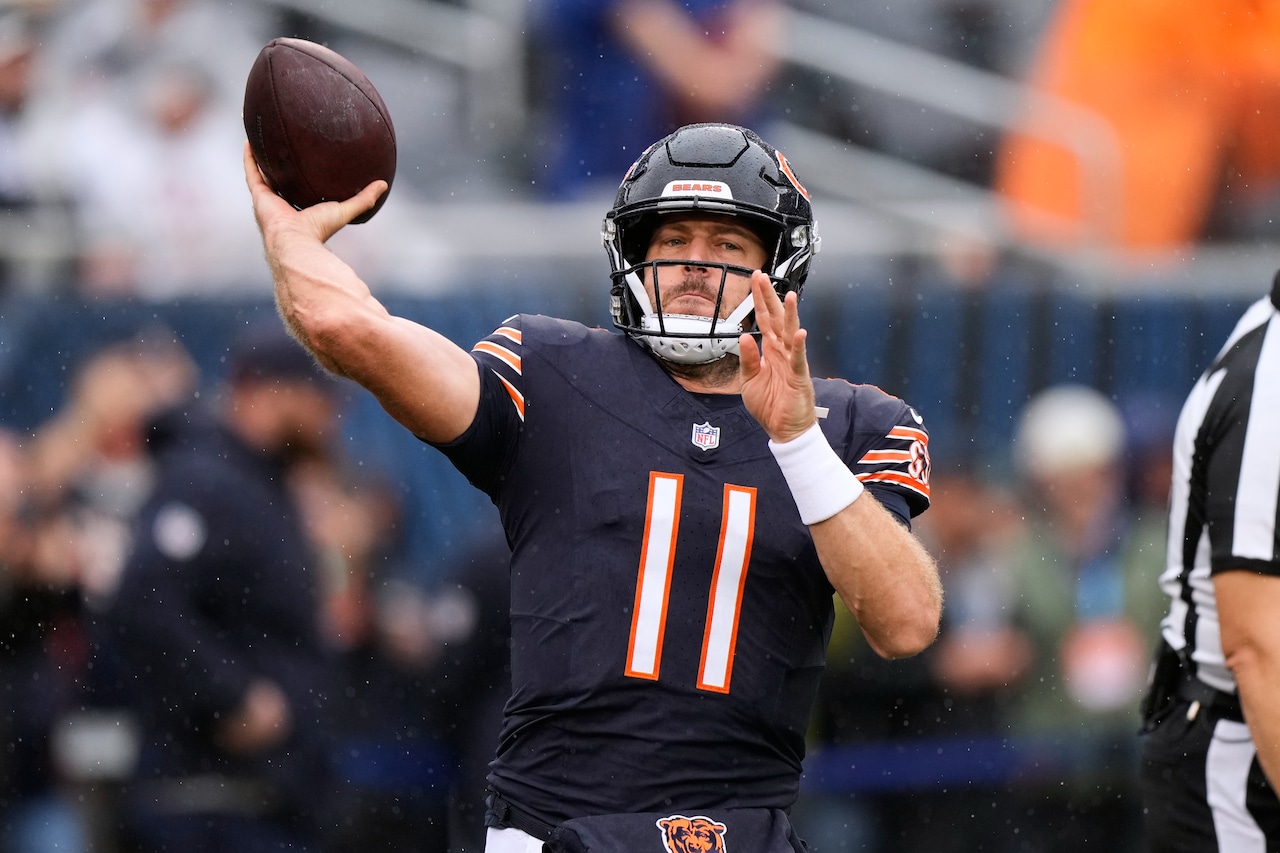
BengalsChicago Bears quarterback Case Keenum.AP Photo/Nam Y. HuhCLEVELAND, Ohio — Most football fans think they understand what a backup quarterback does. They watch games. They hold clipboards. They wear baseball caps on the sideline. But what actually goes into keeping a veteran signal-caller ready to start on a week’s notice — with almost no real practice snaps — is something most fans never consider.Case Keenum does.How will Deshaun Watson be received + Browns have to get the run game going: Orange and Brown Talk (Podcast)Why Quinshon Judkins could break out in Week 3 against the PanthersBrowns rookie WR Denzel Boston didn’t expect to have this fast of a start, but he’s not surprisedThe 38-year-old Chicago Bears backup laid it out plainly when asked how he stays prepared despite rarely taking meaningful reps during a game week. His answer was a quiet masterclass in the mental discipline professional football demands from players who are one injury away from being the most important person on the field.“I think people don’t realize in general in the NFL how little reps go around during a game week,” Keenum said. “The starter usually gets all the first team reps and you know maybe a few for the backup here and there. The backup gets all the scout team reps and then you know other than that it’s kind of mental reps. So, I’m standing behind Caleb (Williams), Tyson (Bagent), seeing where those guys are.”That’s the baseline reality. The starter runs the offense. The backup watches — closely, purposefully and constantly — mentally processing every snap as if he were the one taking it. Keenum also talked about “banking stuff from training camp,” essentially treating earlier, higher-volume practice periods as a reservoir he draws from throughout the season.But mental reps are only part of the equation. One of the more underappreciated technical challenges a backup faces is something Bears head coach Ben Johnson flagged earlier: vocal cadence. When a different quarterback walks under center, the entire offensive line hears a different voice, a different rhythm. False starts can happen. Confusion can creep in. Keenum’s approach to solving that problem is surprisingly methodical.“For me, this is another thing about being a backup. I’m trying to match my cadence to be Caleb’s,” Keenum explained. “And I’ve been told that I’ve helped Tyson with that as well, like, hey, we’re trying to match Caleb’s as much as we can. “So, when we’re working cadence, we’re working center quarterback exchange, working the scout team, working all that stuff. We’re trying to do exactly as Caleb has done, and as seamlessly as possible.”That’s operational mimicry at its most deliberate. It’s not just about knowing the plays. It’s about sounding like the guy you might be replacing so that the transition, if it comes, costs the offense as little friction as possible.There’s a collaborative layer to this, too. Keenum described his role in the quarterback room as more than personal preparation. Part of his job, he said, is making sure everyone in the room — including younger backups like Tyson Bagent — sees the game the same way the offensive staff does. When the entire room operates from a shared vision, the preparation compounds.It’s methodical. It’s largely invisible. And it’s exactly the kind of work that determines whether a backup elevates a team in a crisis or exposes it.The Cleveland.com Express Desk uses AI tools to assist in producing content, which is reviewed and edited by staff.
Case Keenum on what it really takes to be an NFL backup quarterback
Full Article
Original Source
Read the full article at Cleveland →KhanList aggregates and links to publicly available news content. We do not host full articles from third-party sources. Always verify important information with original sources.