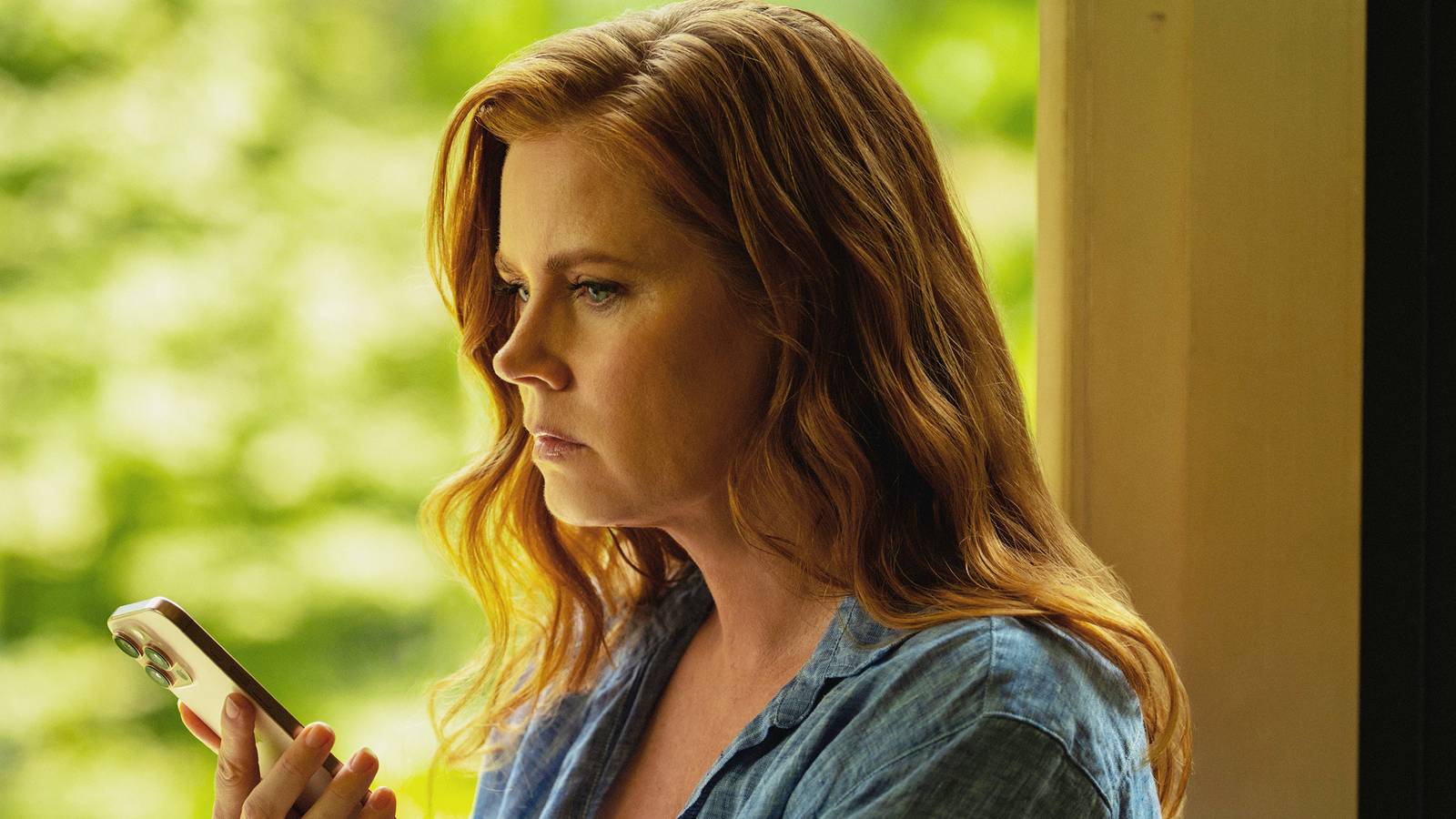
Published Jul 17, 2026, 8:00 AM EDT Tania Hussain is an Executive Editor at Collider responsible for creative, editorial, and managerial duties. In addition to leading content ideation and development, she works to generate innovative and compelling ideas for feature articles and reviews with her editorial team across Features, Lists, Reviews, and Interviews. She also serves as the primary editor overseeing Collider’s Signature Series profiles, spotlighting some of the most influential voices in film and television. Tania has helped cover and ideate content for major events for Collider, including the Toronto International Film Festival. She has also conducted more than 100 interviews since her start in the business more than 15 years ago. Some favorites include Joel McHale, Charlie Cox, Jennifer Garner, Tina Fey, Kate Winslet, Bob Odenkirk, Andy Richter, Jordan Schlansky, Jamie Dornan, Yeardley Smith, Rafe Spall, Esther Smith, and a reasonable toss-up between Cookie Monster and Kermit the Frog. She has covered set visits, in-person junkets, and red carpets for several films and TV shows, including most recently, The Sheep Detectives, Masterchef, and Star Trek: Starfleet Academy. Editor’s Note: The following contains major spoilers for Cape Fear, Episode 8. Summary In an interview with Collider, showrunner Nick Antosca reveals Cape Fear was always designed to dismantle the Bowden family, making their privilege and guilt inseparable from Max Cady’s story. Antosca explains Episode 8 keeps Anna and Max’s past deliberately ambiguous, arguing today’s world has made truth, guilt, and intention impossible to untangle. He says Max’s psychological manipulation of Natalie is the true horror of Cape Fear, shifting the endgame from defeating Max to saving a family already falling apart. By the time Apple TV’s addictive and twisty thriller, Cape Fear, reaches Episode 8, Javier Bardem’s Max Cady is no longer the only threat to the Bowden family. The secrets that Amy Adams’ Anna and Patrick Wilson’s Tom have kept from one another are doing just as much damage. Between Zack unraveling and Natalie questioning everything she knows about her parents, Anna is finally forced to confront what really happened between her and Max years earlier, as her husband takes the fall for their daughter shooting Max and ends up in jail. The family that once looked so polished has been completely pulled apart. But as showrunner Nick Antosca tells Collider, that “dismantling of the family itself” has always been central to the story’s darkness. As Episode 8’s “Los tiempos de Dios son Perfectos” brings that idea fully into focus, Anna’s history with Max is revealed to be far more complicated than a simple affair or betrayal, while the question of Natalie’s paternity gives Max another way to pull her away from her parents. For Antosca, that uncertainty also reflects a larger theme running through the series: “We live in a time where the truth is very complicated, and it’s hard to pin it down.” In a breakdown of the latest episode, Antosca reveals why he made both Anna and Tom part of Max’s original case, why Max’s possible innocence had to hang over the entire family, and how Episode 8 transforms the final stretch of the season. As he puts it, the Bowdens’ “happiness, their privilege, and their perfect life are built on his suffering.” Max Cady’s Exoneration Changes Everything for the Bowdens Antosca says making both Anna and Tom complicit allows the series to turn Max’s exoneration into a lingering question of whether the Bowdens’ perfect life was ever truly theirs. Image via Apple TV COLLIDER: This version of Cape Fear expands beyond the original story and becomes much more of a story about family secrets and inherited trauma. What was the first thing you knew you wanted to add that wasn't in previous versions? NICK ANTOSCA: The first thing that I knew that I wanted to change was to make both members of the family, both the husband and wife, be involved in the trial. That was really important because I wanted to tell a story with questions about guilt and the justice system, and privilege. And in this version of the story, their happiness, their privilege, and their perfect life are built on his suffering. The other thing that was really important to this new version was the idea that Max has gotten out of prison because he was exonerated, so his innocence is part of the story and is hanging over them, and casting a shadow of guilt over this family. That was very exciting in terms of creating this contemporary nightmare version of the story, which I think is kind of a timeless nightmare from the past versions. I did like some of those Easter eggs that you put in that were from the Martin Scorsese version, where Nevaeh was the one who was laughing in the theater, not Robert De Niro's character. It's those sorts of things, too, that I think audiences will appreciate, but also the story just being so expansive and this world-building dynamic. ‘Cape Fear’s Truth About Anna and Max Had To Remain Complicated Antosca says the uncertainty surrounding Anna and Max reflects a world where truth, guilt, and people’s intentions are increasingly difficult to untangle. Image via Apple TV Talking about Episode 8, I feel like it completely reframes Anna’s history with Max, and that was one of the more shocking things from this episode. Why was it so important that the truth wasn't something viewers, or even Anna herself, could easily categorize? ANTOSCA: We live in a time where the truth is very complicated, and it's hard to pin it down. I feel like every day I read the news, and I'm on social media or whatever, and the nature of truth is just constantly in question. There's a feeling of voyeurism and paranoia and mystery about intentions in the world, and I wanted the show to feel like that, to have that atmosphere, and the Bowdens of having a sense of guilt, and there being a complicated history between them and Max was really integral to that. That comes out in Episode 8. Max Cady’s “Psychological Seduction” Dismantles the Bowden Family Antosca says Max’s psychological hold over Natalie was designed to pull her away from her family, turning her story into the final stage of the Bowdens’ collapse. The paternity question around Natalie changes the emotional stakes of the show. At what point did you realize that storyline belonged near the end of the season? Because it is pretty shocking to see that. ANTOSCA: I always wanted the mystery around Natalie's past to be part of her story, because the daughter's story is so key to the earlier versions, but we didn't want to do the same story where it's just a creepy seduction of the daughter, which is so effective in the 1991 version. We're not going to beat that. So, we wanted it to be an unexpected kind of seduction, a psychological seduction. There is a literal seduction which comes through a different character that is not Max — it's Nevaeh — but there's also an emotional and psychological seduction that comes through Max, where he is basically pulling her away from her family and making her his daughter. Because the scariest thing about Cape Fear, to me, and what I really wanted to emphasize in this version, is the dismantling of the family itself. By the end of Episode 8, looking ahead to Episodes 9 and 10, is the story still about stopping Max, or has it now become whether this family can actually survive itself? ANTOSCA: It's about both. Cape Fear streams Fridays on Apple TV.
‘Cape Fear’ Showrunner Breaks Down the Shocking Episode 8 Reveal That Changes Everything
Full Article
Original Source
Read the full article at Collider →KhanList aggregates and links to publicly available news content. We do not host full articles from third-party sources. Always verify important information with original sources.