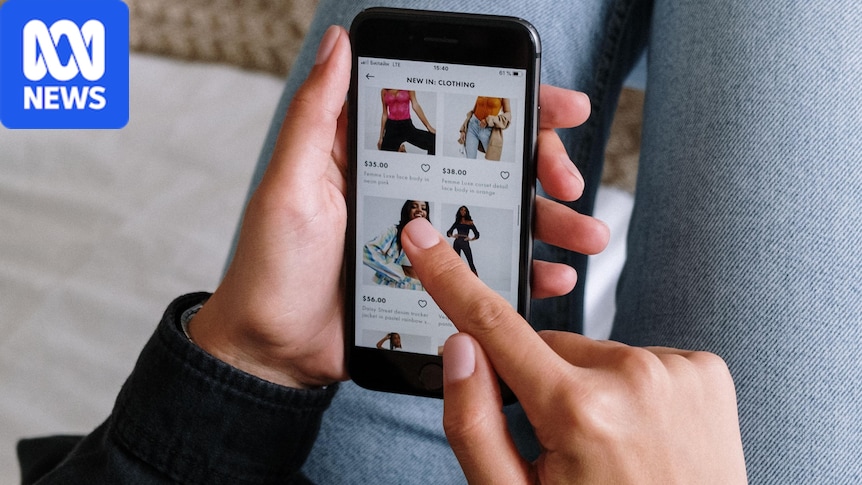
We're living through a cost-of-living crisis, but that doesn't mean we're always good at curbing our spending.This can be especially tricky with impulse shopping, or for things we don't really need."Shopping can become a way of regulating uncomfortable emotions or creating a brief sense of control, comfort or reward," says Lea Clothier, a behavioural money coach and former financial adviser.She says financial stress can also create a scarcity mindset, where our brains become more focused on immediate relief rather than long-term outcomes."That's one reason people sometimes continue spending even when they know it isn't helping their financial situation," Ms Clothier says.If you'd rather be saving than shopping, but are struggling to switch gears, there are ways to change your habits.Why it's hard to stop shoppingJonathan David, from the Department of Psychology at York University in Canada, focuses his research on addiction, compulsive buying and hoarding.Dr David, who completed his PhD in psychology at Macquarie University, says for people who struggle to control their shopping, financial pressure doesn't necessarily stop them from spending more."Financial pressure can often come along with job stress, or family stresses, so going on your phone to shop can be an escape."But making a purchase or adding the item to your cart only relieves stress in the short term."He says cutting back on shopping is also hard because it's something we can't completely avoid."[With] addictive behaviours and substances, it's often easier to change the habit if you abstain completely rather than try moderation management."But most people can't completely abstain with shopping — we all need to buy groceries on a regular basis and occasionally we need things like clothes or homewares."That means shopping addicts are often near their triggers, making it easier to indulge.Ms Clothier says we're also up against external influences such as advertising."Retailers are incredibly good at creating urgency through limited-time offers, personalised advertising and one-click purchasing."They make buying feel effortless while reducing the space we have to make intentional decisions."And we're constantly exposed to curated versions of other people's lives, leading to the comparison trap."[It] can subtly influence what we think we need in order to feel successful, happy or enough," Ms Clothier says.Five shopping goals to curb impulse purchases1. Create an urge logBecause it's hard to change habits, Dr David says you should give yourself credit for realising your shopping is a problem."One of the best tools is keeping an urge log. This involves writing down when you get an urge to shop or make purchases outside your means."Write down what you were feeling at the time, what you were thinking, and the situation you were in."This can give you a game plan to think of ways you can approach that situation differently in the future, so you don't give into the impulse next time," Dr David says.2. Introduce mindfulness to your shoppingMany impulse purchases aren't really about the item itself, explains Ms Clothier, but an attempt to change how we're feeling.Creating a small pause using mindfulness helps us to separate our emotion from our intention.In practice, Ms Clothier says it can be as simple as pausing before you purchase and asking yourself a few questions:What am I feeling right now?What am I hoping this purchase will give me?Will this still matter to me next week or next month?Does this purchase move me towards the life I'm trying to create?"Sometimes you'll still decide to buy it, and that's perfectly OK. Mindfulness doesn't mean never buying anything."The difference is that you're making the decision intentionally rather than emotionally."3. Impose a 24-hour ruleAnother simple practice is creating a waiting period to avoid reacting to that sense of urgency scarcity marketing creates, says Ms Clothier."For non-essential purchases, leave it in your online cart for 24 hours."If it still feels like a good decision after the emotion has settled, you'll probably feel much more confident about buying it."Even waiting an hour can allow the emotional intensity to settle, she adds.4. Compare your values to your purchasesIf you know what really matters to you, Ms Clothier says you can instead spend money on the life you're intentionally creating."Before making a purchase, ask whether it moves you closer to what you genuinely value."If you value connection, adventure, health, creativity or freedom, does this purchase support those things, or is it simply offering a temporary emotional lift?"She recommends creating a list of your five core values."Then, over the next month, simply notice where your money is actually going. At the end of the month, compare your spending with your values."She says that awareness can shift spending habits without needing strict rules or budgets.5. Make room for joy without guiltImproving your financial wellbeing doesn't have to be about deprivation, says Ms Clothier."When people try to eliminate all discretionary spending, they often end up rebounding into even bigger impulse purchases."She says we've been taught that good money management is about discipline."In my experience, it's actually about awareness."When we understand what we're feeling, what we value, and what we're really trying to buy, we make better financial decisions almost effortlessly."What to do if you regret an impulse purchaseIf you've made a regrettable purchase, Ms Clothier says to respond with curiosity rather than criticism."Many people immediately blame themselves, but guilt rarely creates better financial habits. It usually creates shame, which can actually lead to more emotional spending."She says to instead ask, "What was happening for me when I bought this?""Were you stressed? Lonely? Tired? Celebrating? Looking for comfort? Trying to fit in?"Every purchase teaches us something about ourselves if we're willing to pay attention."Dr David recommends making steps to return the item and get your money back, if possible."If that isn't possible, then hopefully you can find a thrift shop to donate it to, or someone else who needs the item."He then says to plan to reward yourself with an activity you enjoy that isn't shopping related."You're slowly breaking habits, so keep finding other ways to reward yourself for the hard work you're doing."
Can't stop spending? These approaches can help curb impulse buying
Full Article
Original Source
Read the full article at Abc →KhanList aggregates and links to publicly available news content. We do not host full articles from third-party sources. Always verify important information with original sources.