
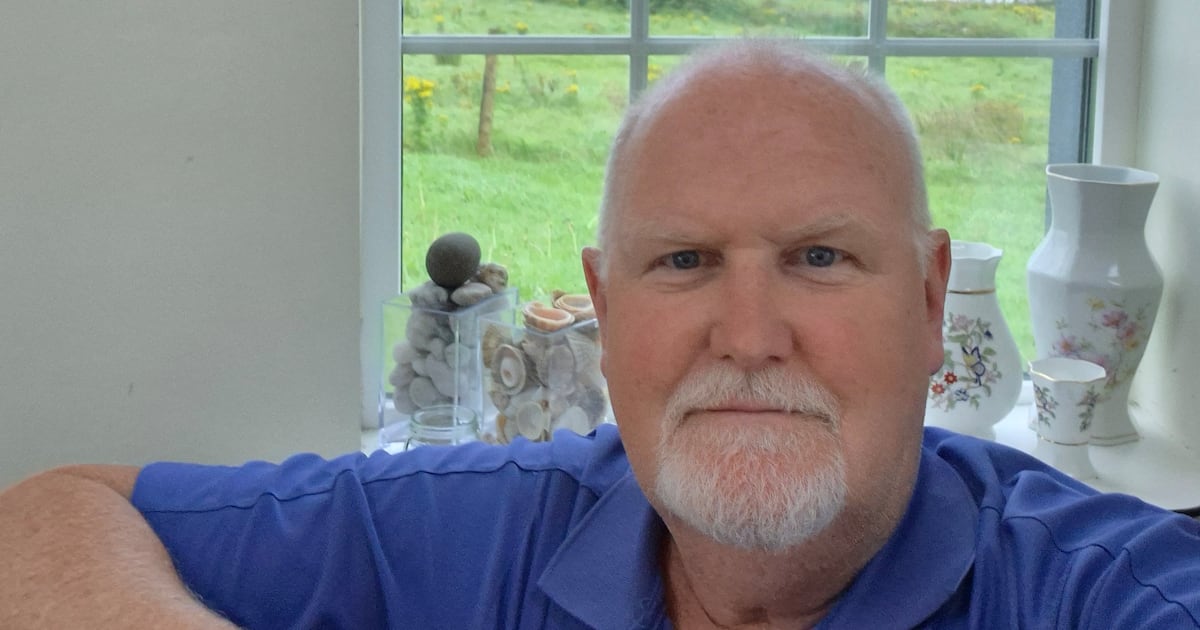
Kevin Morley on how he has learned not to worry about the small stuff as he gets back to living life to the fullKevin Morley advises others who have recently been diagnosed with prostate cancer to try and be positive When Kevin Morley began using the bathroom more frequently, he knew it could be a warning sign and decided to go to his doctor.“In September 2023, I first noticed that I was having to use the bathroom a lot more than I used to,” he says. “And along with that, when I did go, I would only pass a minimum amount of urine, which is why I kept feeling the urge to go to the bathroom more frequently. So I made an appointment to go and see my GP and while prostate cancer was initially dismissed, a further visit, where I underwent a PSA test, showed that it was in fact positive.”The now 56-year-old was diagnosed in February 2024, during a particularly difficult time for him. “Although it was a big shock, it wasn’t such a surprise,” he says. “I was with my wife when I got the phone call [confirming the diagnosis], which was just in the days between my dad passing away and being buried. I had tried to find out before this, but, because I was at work, I kept missing the consultant team before they left for the day.“Once the diagnosis had been given, an in-person meeting was arranged for the following week and this is where my diagnosis and subsequent best course of treatment was explained to us.”READ MOREThe father-of three says that, together with his wife Erin, he received the official diagnosis and discovered what the next steps would be. “It was decided that the course of treatment which was best suited to me was radiation. This involved an initial three-month prescription of tablets, which would prepare my body for the upcoming treatment. Then, in June 2024, I started on 39 rounds of radiation under the wonderful care of St Luke’s Oncology unit in St James’s Hospital.“Because we had known my diagnosis since the previous week, telling everyone [what was happening] was relatively easy. As soon as my family knew they passed the news on to other members of the larger family, two of whom had already been through the prostate cancer route. My girls [three daughters] were worried, but we are an open family and we talked about it openly which I think helped all of us. Also, I decided to work every day in order to try and keep things as ‘normal’ as possible.”He says that because he “went down the radiation treatment route”, he didn’t ”find the experience too bad. To be honest, the worst part was having to have a full bladder [before each session]. This was often difficult, particularly if things were running late as it really made you want to pee. But, thankfully, I had no other feeling of sickness or side effects.“The treatment was five days a week from Monday to Friday and it finished on September 13th – a date which might be unlucky for some, but was very lucky for me. And I also finished just in time to attend my niece’s wedding in Cavan, which was a really super day in my life.”Following his programme of radiation, Kevin was prescribed a course of medication which involved three tablets per day, and one injection every three months, which continued until June 2026.[ Your Wellness ‘Loneliness and isolation are among the most alarming challenges young people now face’Opens in new window ]Thankfully the treatment so far has been successful and he is back to living life to the full. “I would say that currently I am a survivor and am on a maintenance programme, which includes regular check-ups and blood test monitoring of my PSA levels for the next six months,” he says. “Most days I am feeling good, and it helps that I have a great family and friend network, I enjoy GAA and am still involved in the over-40s Gaelic Masters, which is a great outlet. Aside from that, my work and the team we have built, also brings me great joy.“So, for the most part, I’m doing good, although I am carrying a lot more weight than normal due to the steroid and the medication. I have also had some bleeding, but it is a known side effect of the treatment and it comes and goes. Other than that I’m doing pretty good. “My mom’s brothers got it [prostate cancer] when they were in their mid-70s and two of them died from it. But having had cancer and gone through treatment has definitely changed how I view life and relationships, and I don’t feel as worried about the small stuff any more.” Following his cancer experience, the electrical contractor, who lives in Kilcock, Co Kildare, would advise others who have recently been diagnosed with prostate cancer to try and be positive and to know that there are many “great treatments out there”.“To anyone else who has just found out that they have this disease, I would tell them not to panic – just put the chin up and get the chest out. It is a very treatable disease and there are so many different ways to treat prostate cancer – so make sure to listen to the doctors and surround yourself with good people.” [ My in-law is so at ease with everyone else, yet so cold and dismissive with meOpens in new window ]Thankfully, Kevin is doing well, but Dr Patricia Daly, consultant radiation oncologist and a clinical senior lecturer in Trinity College Dublin, says the outcome for someone with prostate cancer differs from patient to patient. “Prognosis depends on stage at diagnosis with early stage disease being curable,” she says.“The five-year survival [rate] in early stage disease is 95 per cent and even when prostate cancer has spread, it may be possible to offer curative treatments with newer approaches utilising radiotherapy techniques such as SABR [stereotactic ablative radiotherapy] and modern drugs.”The oncology expert says there are a few early symptoms which people should look out for and seek advice if they have any concerns. “Prostate cancer often grows slowly and has few signs or symptoms,” she says. “These include, passing urine more often, especially at night, trouble starting or stopping the flow and a slow flow of urine or pain when passing urine. “Other symptoms include blood in the urine or semen and the feeling of not emptying your bladder fully. If anyone has any symptoms, they should speak to their GP or consider doing a PSA blood test if over 50.”About prostate cancerProstate cancer is cancer of the prostate gland which sits at the bottom of the bladder in men. Approximately 4,000 men per year in Ireland are diagnosed with the disease.The risk increases after the age of 50 and/or if there is a family history. Men of African or Caribbean ethnicity have a higher risk of prostate cancer. If any concerns, seek medical advice. (for more information visit cancer.ie mariekeating.ie, prostatecancerireland.ie or hse.ie)IN THIS SECTION
‘Cancer has changed how I view life and relationships’
Full Article
Original Source
Read the full article at Irishtimes →KhanList aggregates and links to publicly available news content. We do not host full articles from third-party sources. Always verify important information with original sources.