
Two Jehovah's Witnesses elders are fighting against information requests from two former congregants who want to view documents about themselves.OTTAWA, Ontario (CN) — At Canada’s high court on Friday, two congregation elders for the Jehovah’s Witnesses in British Columbia argued their religious freedoms would be infringed if Canadian officials were given access to personal files on two former congregants.Justices considered an appeal from elders John Vabuolas and Paul Sidhu, who say they should not have turn over private records to British Columbia’s Information and Privacy Commissioner.The legal row started in 2020, when former Jehovah’s Witnesses Gabriel Liberty Wall of the Grand Forks Congregation and Gregory Westgarde of the Coldstream Congregation each applied for access to all records about themselves. Church elders denied their requests, claiming these documents were confidential religious communications.In Westgarde’s case, Coldstream initially denied it even possessed any such information. The organization later retracted that statement and admitted the documents existed.Dissatisfied, Wall and Westgarde escalated their requests to the Office of the Information and Privacy Commissioner for British Columbia, demanding a review. Mediation failed, and adjudicator Elizabeth Barker was appointed.In 2022, the congregations was ordered to disclose the requested information in accordance with the Personal Information Protection Act or PIPA, so that Barker could evaluate if the documents were truly confidential. In her decision, Barker said there were reasonable limits to the rights of religious organizations under the Canadian Charter of Rights and Freedoms.The church refused to comply and instead petitioned the British Columbia Court of Appeal. It argued the order was unconstitutional, violating protections on freedom of religion and association as well as on undue searches and seizures.Judge Steven Wilson dismissed the appeal in 2024. Agreeing with Barker, he said her records order was proportionate and balanced the rights and interests of both parties.“Freedom of religion is not absolute,” Wilson wrote in his ruling. “The requirement to disclose information is a tool available to individuals to hold organizations accountable for the collection, use and disclosure of personal information.”That decision prompted another appeal, this time to the Supreme Court of Canada.Arguing on behalf of the Jehovah’s Witnesses elders, attorney Jayden MacEwan said it wasn’t just previous rulings that had violated their religious freedoms — it was PIPA itself. He noted the law contained exemptions for groups like journalists but didn’t specify how it should apply to religious groups.The justice pondered whether Barker had taken the right steps to ensure the rights of all parties were balanced. Justice Glenn Joyal seemed to think so, since Barker simply wanted to review the documents herself.MacEwan disagreed. “The adjudicator reviewing the records is nonminimal impairment, and it’s not constitutional,” he said. He asked the court to quash the production order.Arguing for the former congregants, attorney Kevin Smith said PIPA was necessary for democracy. He questioned how the elders could refuse his clients access to information about themselves on the grounds of confidentiality while also not allowing an independent third party to confirm that assertion.“To allow interim disclosure to a neutral adjudicator: We say that is reasonable, appropriate, and necessary in a rule of law-based society,” Smith said.But Justice Malcolm Rowe seemed troubled by any actions that might infringe on religious liberties in the Canadian Charter of Rights and Freedoms.“This isn’t a privilege; this is a right,” he said. “Freedom of religion is in the charter to make sure that the state does not intrude into an area of individual and community behavior that is off-limits."A decision is expected in the next six months.Courthouse News reporter Tatiana Mulowayi-Pelletier is based in Montreal, Canada. Subscribe to our free newslettersOur weekly newsletter Closing Arguments offers the latest about ongoing trials, major litigation and rulings in courthouses around the U.S. and the world, while the monthly Under the Lights dishes the legal dirt from Hollywood, sports, Big Tech and the arts.Additional Reads
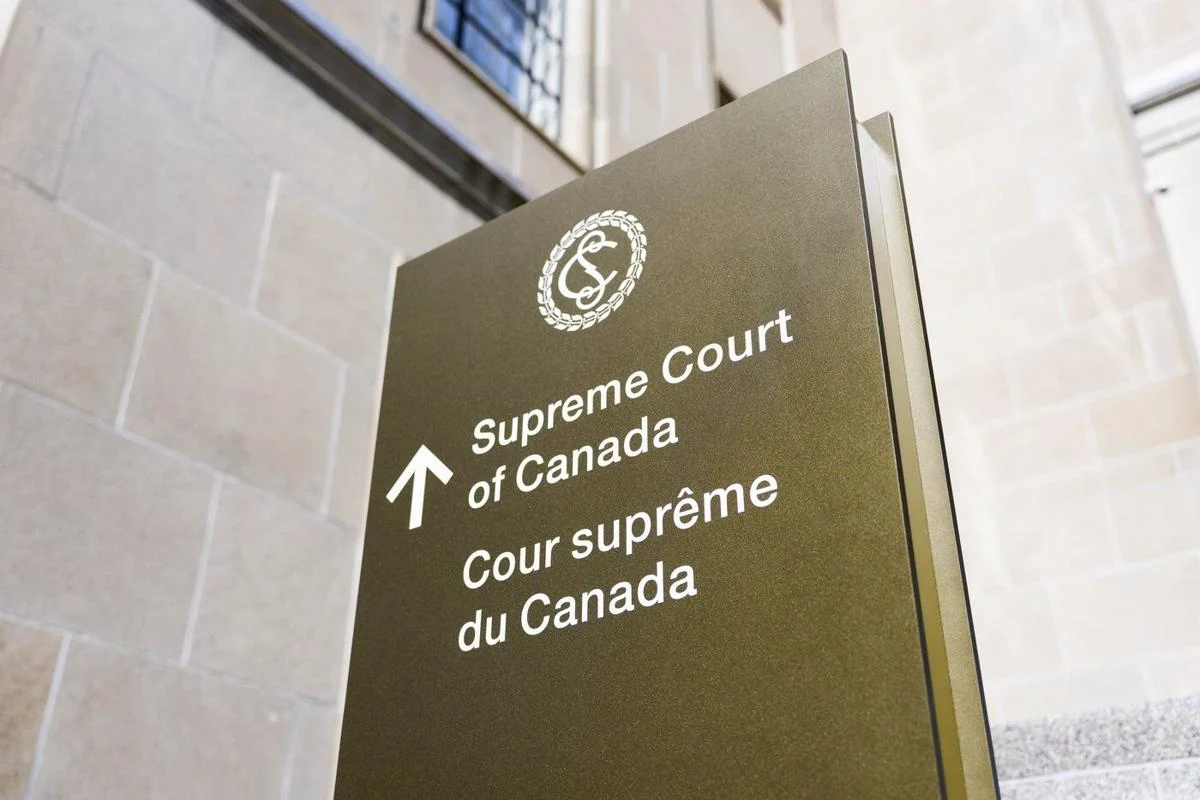
Canada’s high court probes religious protections for personal records
Full Article
Original Source
Read the full article at Courthousenews →KhanList aggregates and links to publicly available news content. We do not host full articles from third-party sources. Always verify important information with original sources.