
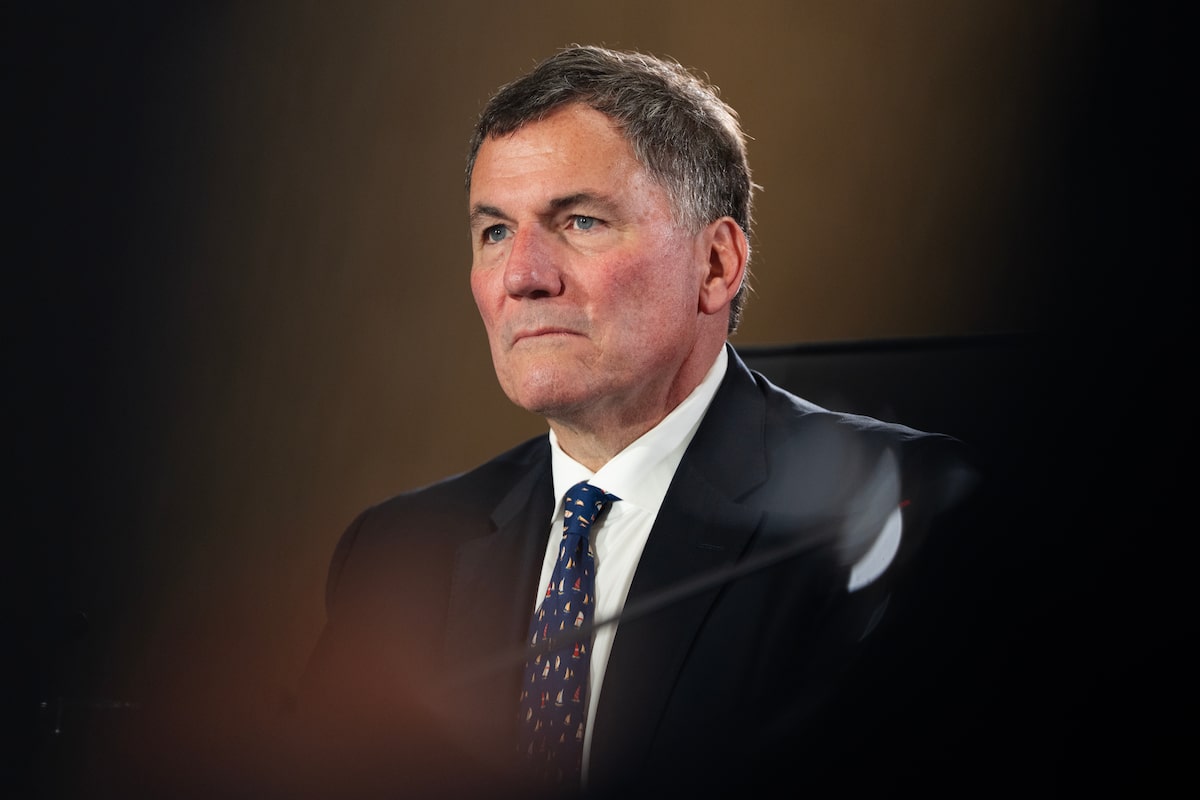
Open this photo in gallery:In a briefing to business leaders on Friday afternoon, Canada-U.S. Trade Minister Dominic LeBlanc there are no negotiations scheduled for the Labour Day long weekend.Darren Calabrese/The Canadian PressCanada and the U.S. have no plans to resume trade talks before Ottawa’s retaliatory tariffs take effect on Tuesday, a move likely to provoke even more tariffs from Washington and deepen U.S. President Donald Trump’s continental trade war.One Canadian government official told The Globe and Mail on Friday that there are no negotiations scheduled for the Labour Day long weekend. Dominic LeBlanc, the minister in charge of the file, delivered a similar message in a briefing to business leaders on Friday afternoon, according to two other people with knowledge of the call.The Globe is not naming the government official because they were not authorized to speak by name, nor the other two sources because they were not authorized to publicly discuss the negotiations. Prime Minister Mark Carney rolled out the new levies last week and set an implementation date of Sept. 8. They will cover $28-billion worth of U.S. imports, ranging from steel and aluminum to textiles, dairy products, stoves and hundreds of other goods.Here’s how Canada’s countertariffs could hit your walletOttawa’s countertariffs are in response to Mr. Trump’s latest 50-per-cent levies on $28-billion of Canadian goods, which he imposed last month after trade talks collapsed at the eleventh hour. The President has also hammered Canada with previous tariffs on autos, steel and aluminum, among other goods, since last year.If Canada goes ahead with its tariffs next week, the U.S. will retaliate against the retaliation, the Trump administration has warned.One source with knowledge of White House discussions said officials are hoping to hit back against Canada’s retaliation no later than Wednesday. The Trump administration is considering banning imports of Canadian alcohol, dairy products and possibly steel, the source said.Some in Mr. Trump’s orbit, however, are pushing for even tougher measures, the source said, though it is unclear what those would be.The Globe is not identifying the source because they were not authorized to publicly discuss the Trump administration’s strategy.The President on Friday threatened during an Oval Office photo-op to stop all trade with Canada, Mexico, the European Union and Switzerland, claiming such a move would “save” the U.S. money. Stopping roughly US$3.7-trillion worth of annual business with major trading partners, however, would devastate the American economy and drive up inflation.“All we have to do to cut our trade deficit with a country is not trade with them. Canada is one. If we don’t do any trading with Canada, we just end all trade with Canada, we’d save ourself $90-billion,” Mr. Trump said. “Canada would be in a heap of trouble. I don’t think they’d exist. Because, again, they do 95 per cent of their business with us.”The U.S.’ trade deficit in goods with Canada last year was US$48-billion. Most of this is because American consumers rely heavily on imported Canadian oil and gas, a particularly important commodity at a time when Mr. Trump’s war on Iran has cut petroleum supplies from the Middle East. About 66 per cent of Canada’s exports go to the U.S.U.S. businesses think looming countertariffs will inflict pain, but not miseryU.S. Trade Representative Jamieson Greer said this week that he’s had some contact with Canadian officials since talks broke off on Aug. 21. It is up to Ottawa to restart negotiations, he said.“I’ve had a couple of texts and I’ve had some outreach from them but we haven’t had negotiations since then,” Mr. Greer told Fox News on Thursday. “It’s a little bit in Canada’s corner. We offered them the best deal, they looked at it square in the face, and turned around.”House of Representatives Speaker Mike Johnson, meanwhile, told reporters that he was confident the trade war would ultimately end with a negotiated deal. “That’s where this is going to wind up – the sooner, the better, obviously.”Brian Clow, who served as Canada-U.S. relations adviser to former Prime Minister Justin Trudeau, said the retaliatory tariffs could ultimately help push Washington to make a deal as key parts of the country suffer economically.The state likely to suffer the single biggest hit, for instance, is Republican-run Ohio, where Democratic candidates are mounting competitive gubernatorial and senate campaigns in November’s midterm elections.“Canada is incentivizing the U.S. to lower the temperature on their end and lower tariffs in hopes of bringing the two sides back to the table,” Mr. Clow said in an interview.In depth: From flower farmers to cheesemakers, meet the business owners affected by the trade warDuring Mr. Trump’s first term, Mr. Clow recalled, the President once made an “aggressive” effort to dissuade Mr. Trudeau from imposing retaliatory tariffs against U.S. steel and aluminum levies during a June, 2018, phone call. Despite this – and public insults from Washington, including by trade adviser Peter Navarro, who said there was a “special place in hell” for Mr. Trudeau – Ottawa went ahead with the levies.There was a weeks-long freeze in negotiations, but the countries still managed to reach a trade deal that fall.“There were a lot of heated phone calls, we were on the receiving end of numerous insults, but ultimately, we were back at the table negotiating by the end of August and we got to a deal in September,” Mr. Clow said. “So, no matter how hot things appear right now, there is precedent of the two sides coming back to the table.”At Washington’s Korean War memorial, a split between Canadians and Americans is on full displayCanada and the U.S. reached a tentative trade deal on Aug. 18. Mr. Carney, The Globe reported, agreed to a long list of trade concessions, and to accept some of Mr. Trump’s tariffs in exchange for the President lowering those levies and not imposing new ones.But when it came time to finalize the deal on Aug. 21, Mr. Carney ordered Canadian negotiators to walk away from the table less than an hour before the deadline. The Prime Minister has said the U.S. introduced a flurry of last-minute changes to the text of the deal that would have made it far worse for Canada. Mr. Greer has accused Canada of demanding more tariff relief after the deal was already agreed to.With a report from Bill Curry in Ottawa
Canada, U.S. trade talks reach an impasse
Full Article
Original Source
Read the full article at Theglobeandmail →KhanList aggregates and links to publicly available news content. We do not host full articles from third-party sources. Always verify important information with original sources.