
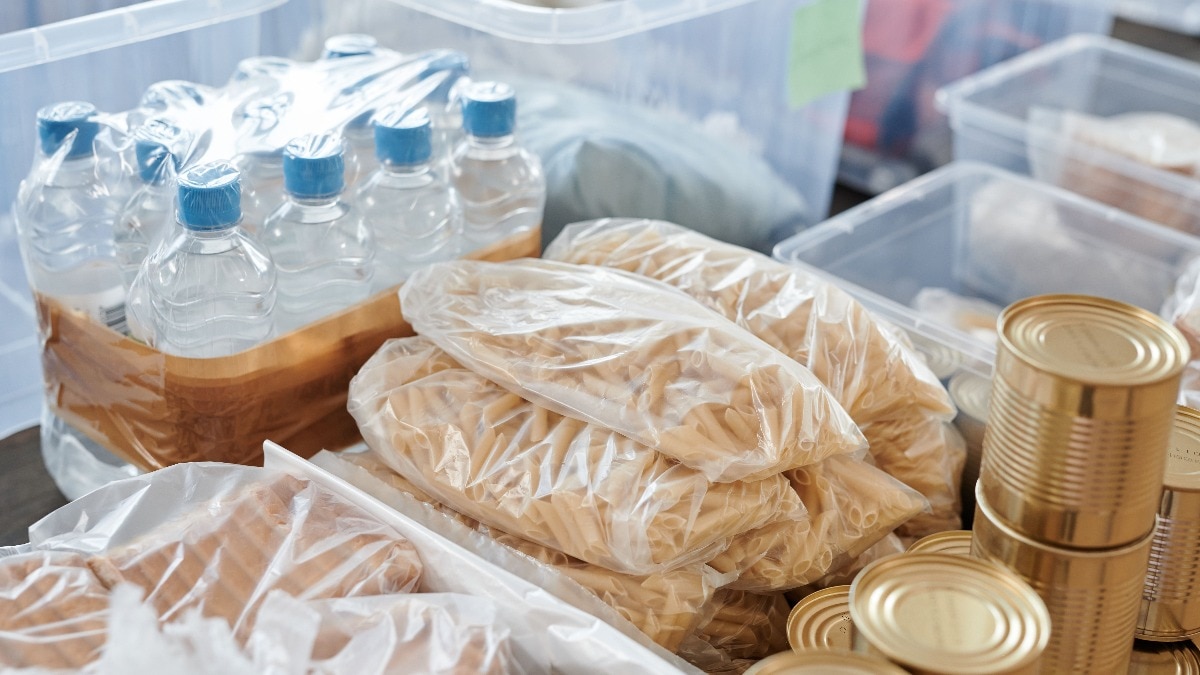
A recent food-safety inspection in Bengaluru found rotten meat, expired dairy products, fungus-infested food and large quantities of sauces at several eateries. The case raises an important question: can food still be eaten after its best-before date?Can you eat food after its best-before date? Know the difference between best before (Iage source: Pexels)A recent food-safety inspection in Bengaluru found 132 kg of food items and 15 litres of used cooking oil being seized from food businesses, with officials flagging rotten meat, expired dairy products, fungus-infested food and improperly stored preparations.The findings have also brought attention to a common confusion among consumers: what exactly does a "best before" date mean, and is food safe to eat after it?WHAT DOES 'BEST BEFORE' MEAN?The "best before" date generally refers to the period during which a food is expected to retain its best quality, including its taste, texture and aroma, when stored as recommended. Unlike an expiry or use-by date, food does not necessarily become unsafe the moment the best-before date passes. However, that does not mean every product is safe to consume afterwards.This distinction is particularly important because storage conditions, the type of food and whether the package has been opened can all affect food safety. A product may not suddenly become unsafe immediately after the best-before date. However, its quality can deteriorate over time.This does not mean that every food item is automatically safe to consume after this date. The type of food, storage conditions, packaging and whether it has been opened all matter.WHAT DOES 'EXPIRY DATE' MEAN?An expiry date is different. For foods where a use-by or expiry date is relevant to safety, consuming the product after that date can carry a higher risk.Consumers should therefore avoid treating "best before" and "expiry" as interchangeable terms.CAN YOU EAT FOOD AFTER THE BEST-BEFORE DATE?In some cases, a food may still be consumable after its best-before date if it has been stored properly, remains unopened and shows no signs of spoilage.However, the date should not be considered the only factor. Foods that require refrigeration need particular care, as improper storage can allow harmful bacteria to multiply even before the printed date.WHAT ABOUT MILK, CURD AND OTHER PERISHABLE FOODS?Extra caution is needed with foods such as milk, curd, fresh meat, fish and other highly perishable products.These foods can deteriorate quickly if they are not kept at the correct temperature. If the packaging is swollen, leaking or damaged, or the food has an unusual smell, colour or texture, it should not be consumed.DON'T RELY ONLY ON SMELLA common mistake is assuming that food is safe because it smells normal.Some harmful microorganisms may not produce an obvious change in smell, taste or appearance. Never taste food simply to determine whether it has gone bad.If a perishable food has been stored incorrectly or left at room temperature for too long, the printed date alone cannot guarantee its safety.CHECK HOW THE FOOD WAS STOREDStorage instructions are just as important as the date printed on the package.Keep refrigerated foods at the recommended temperature and follow instructions such as "refrigerate after opening". Once a product is opened, its usable life may also change depending on the food and storage conditions.WHAT SHOULD YOU DO AFTER THE DATE?Before consuming a food item past its best-before date, check:Whether the package is damaged or swollenWhether it has been openedWhether it was stored according to the instructionsWhether there are visible signs of spoilageWhether its texture, colour or appearance has changedWhether it is a highly perishable foodWhen in doubt, particularly with meat, dairy and other perishable foods, it is safer to discard the product."Best before" does not automatically mean "unsafe after this date", while an expiry or use-by date should be taken much more seriously. The type of food, storage conditions, packaging and signs of spoilage all need to be considered.Reading the date label correctly can help reduce both unnecessary food waste and the risk of consuming unsafe food.- EndsPublished By: Chaitanya DhawanPublished On: Aug 10, 2026 09:55 IST
Can you eat food after its 'best before' date? Know the difference
Full Article
Original Source
Read the full article at Indiatoday →KhanList aggregates and links to publicly available news content. We do not host full articles from third-party sources. Always verify important information with original sources.