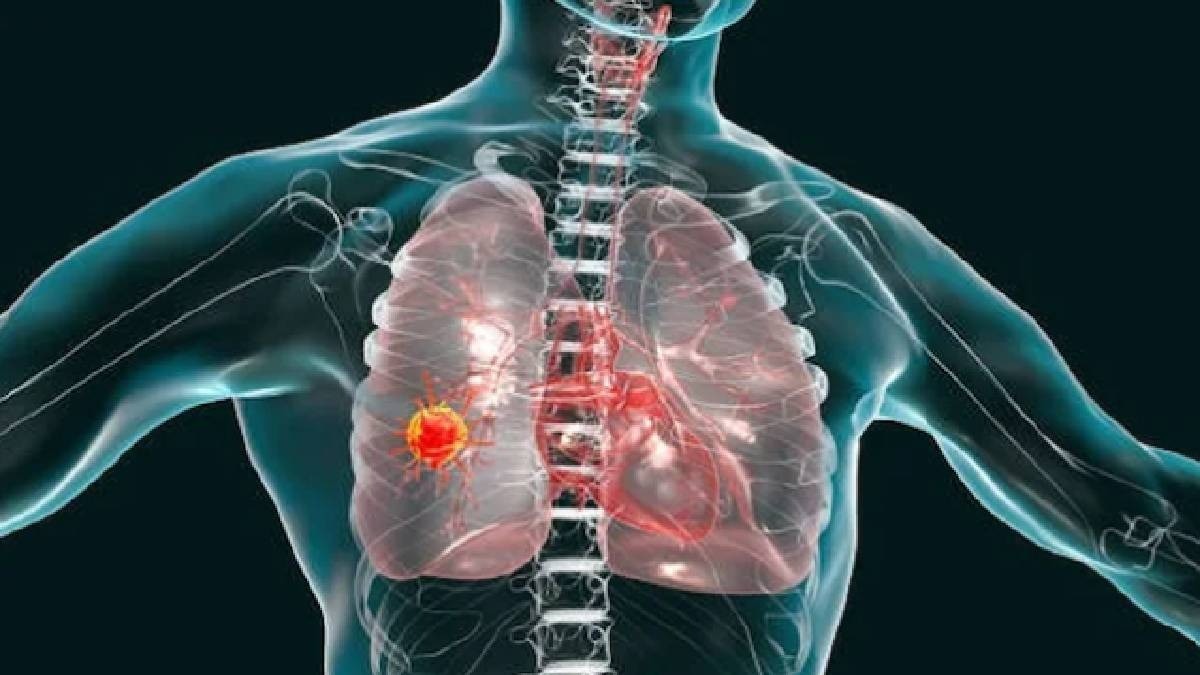
Doctors say stage 4 lung cancer treatment has changed with precision oncology and newer therapies. The shift means some patients can achieve longer disease control and better quality of life.Modern therapies reshape stage 4 lung cancerA diagnosis of stage 4 lung cancer can immediately raise one of the most difficult questions for patients and their families: Is there still a chance of successful treatment?For many years, stage 4 lung cancer was associated with a very poor prognosis. Treatment options were limited, and long-term survival was uncommon. But lung cancer treatment has changed significantly over the past two decades.Doctors now have a much better understanding of the biology of individual tumours. Instead of treating every lung cancer in the same way, oncologists can examine the tumour for specific genetic changes and use this information to select treatments that are more likely to work.Targeted therapy, immunotherapy, chemotherapy and advanced radiation techniques have all changed the treatment landscape. This does not mean that stage 4 lung cancer is easily curable or that every patient will respond to treatment. Stage 4 disease remains serious and, in many cases, treatment focuses on controlling the cancer for as long as possible while maintaining quality of life.However, for some patients, modern treatments can significantly extend survival and provide durable control of the disease. According to Dr. Amit Rauthan, HOD and Consultant, Medical Oncology, Immunotherapy and Precision Medicine, Manipal Hospital Old Airport Road, the most important change has been the move towards precision oncology.LUNG CANCER IS NOT ONE SINGLE DISEASEOne of the biggest changes in lung cancer treatment is the understanding that lung cancer can behave very differently from one patient to another.Different tumours can have different genetic and molecular characteristics. These differences can influence how quickly a cancer grows and how it responds to treatment. This is why doctors increasingly use comprehensive molecular testing before deciding on treatment for advanced non-small cell lung cancer.Next-generation sequencing, commonly known as NGS, can analyse tumour tissue or blood to identify important genetic changes. Some of the key biomarkers doctors may look for include EGFR, ALK, RAS, RET, MET, HER2 and NTRK. Finding one of these changes can be extremely important because it may open the door to a specific targeted treatment.TARGETED THERAPY HAS CHANGED THE OUTLOOK FOR SOME PATIENTSTargeted therapies are medicines designed to attack cancer cells carrying specific molecular changes.For example, patients with certain EGFR or ALK alterations can respond very well to targeted oral medicines. Unlike traditional chemotherapy, which can affect both cancer cells and some healthy cells, targeted therapies are designed around specific characteristics of the tumour.For patients who have an actionable genetic alteration, this can lead to significant tumour shrinkage and prolonged disease control. The exact drug used depends on the mutation and the patient's individual clinical situation.This is why molecular testing is not simply another test in the diagnostic process. It can directly influence the treatment strategy.IMMUNOTHERAPY HAS ADDED ANOTHER OPTIONNot every lung cancer has a targetable genetic alteration.For patients without certain driver mutations, and particularly in several types of non-small cell lung cancer, including squamous cell carcinoma, immunotherapy has transformed treatment.Immunotherapy works differently from chemotherapy. Instead of directly attacking cancer cells, these medicines help the body's immune system recognise and attack cancer.It can be used alone in selected patients or combined with chemotherapy, depending on factors such as tumour characteristics and the patient's overall health.One of the important advantages of immunotherapy is that some patients can experience long-lasting responses.However, immunotherapy is not suitable for everyone and does not work equally well in every patient.Doctors also need to monitor patients for immune-related side effects, which can occur when the immune system becomes overactive and affects normal organs.COMBINATION TREATMENTS CAN IMPROVE DISEASE CONTROLModern lung cancer treatment often involves more than one type of therapy.Depending on the patient's cancer biology and overall condition, doctors may use chemotherapy, immunotherapy or targeted therapy in different combinations and sequences.The goal is not simply to shrink the tumour. Doctors also consider how long the cancer can remain under control, how treatment affects daily life and whether side effects can be managed safely.Advances in treatment have improved long-term outcomes for some groups of patients with advanced lung cancer.The five-year survival rate for certain patients without driver mutations can now reach around 25 per cent with modern treatment approaches, according to Dr. Rauthan.However, survival statistics apply to groups of patients and cannot predict what will happen to a person.DOES SURGERY HAVE A ROLE IN STAGE 4 LUNG CANCER?For most patients with stage 4 lung cancer, systemic treatment is the main approach because the disease has spread beyond the original tumour.This means medical treatments such as targeted therapy, immunotherapy and chemotherapy generally form the foundation of treatment.Surgery has a much more limited role in advanced disease. However, there can be selected situations where local treatment may be considered, particularly when there are only a small number of metastatic sites.The decision depends on where the cancer has spread, how much disease is present, how well the primary tumour is controlled and the patient's overall health.RADIATION CAN HELP CONTROL SPECIFIC METASTATIC SITESRadiation therapy can also play an important role in selected patients with stage 4 lung cancer.One technique is stereotactic body radiation therapy, or SBRT.SBRT delivers highly focused radiation to a specific tumour or metastatic site while attempting to limit exposure to surrounding healthy tissue. For patients with limited metastatic disease, targeted radiation can help control individual sites of cancer.In some treatment settings, radiation may also be used alongside systemic therapies such as immunotherapy.WHAT DOES SUCCESSFUL TREATMENT MEAN?For patients and families, the word "successful" can mean different things.For some, it means eliminating all visible cancer. For others, it may mean keeping the cancer under control for several years, reducing symptoms and maintaining independence and quality of life.Stage 4 lung cancer remains a serious disease, and doctors cannot promise that a particular treatment will work for every patient. But the outlook is no longer the same as it was decades ago.Some patients with advanced lung cancer are now living significantly longer because their tumours can be matched with effective targeted medicines or response to immunotherapy.MOLECULAR TESTING SHOULD GUIDE THE TREATMENT PLANOne of the most important messages for patients with advanced non-small cell lung cancer is the importance of comprehensive molecular testing.A treatment plan should ideally be based not only on where the cancer started and how far it has spread, but also on the biological characteristics of the tumour. Identifying a specific molecular alteration can help doctors choose a treatment that directly targets the cancer's weakness.This is the central idea behind precision oncology. Instead of asking only, "What type of lung cancer does the patient have?", doctors can increasingly ask, "What exactly is driving this patient's cancer?"That shift has opened new treatment possibilities for many patients.THE FUTURE OF STAGE 4 LUNG CANCER TREATMENTThe treatment of stage 4 lung cancer continues to evolve.New targeted therapies are being developed for additional molecular alterations, while researchers are also studying better combinations of immunotherapy, radiation and other treatments.For patients, this means a stage 4 diagnosis should not automatically be viewed as the end of treatment options.The most important step is to understand the exact type of lung cancer, undergo appropriate molecular testing and discuss the available treatment options with a medical oncologist.Stage 4 lung cancer remains challenging, but modern medicine has changed what treatment can achieve.For some patients, the goal is no longer simply to provide a few additional months. It can be to control the disease for years while helping the patient maintain a meaningful quality of life.- EndsPublished By: Smarica PantPublished On: Aug 14, 2026 07:30 IST
Can stage 4 lung cancer be treated successfully? What to know
Full Article
Original Source
Read the full article at Indiatoday →KhanList aggregates and links to publicly available news content. We do not host full articles from third-party sources. Always verify important information with original sources.