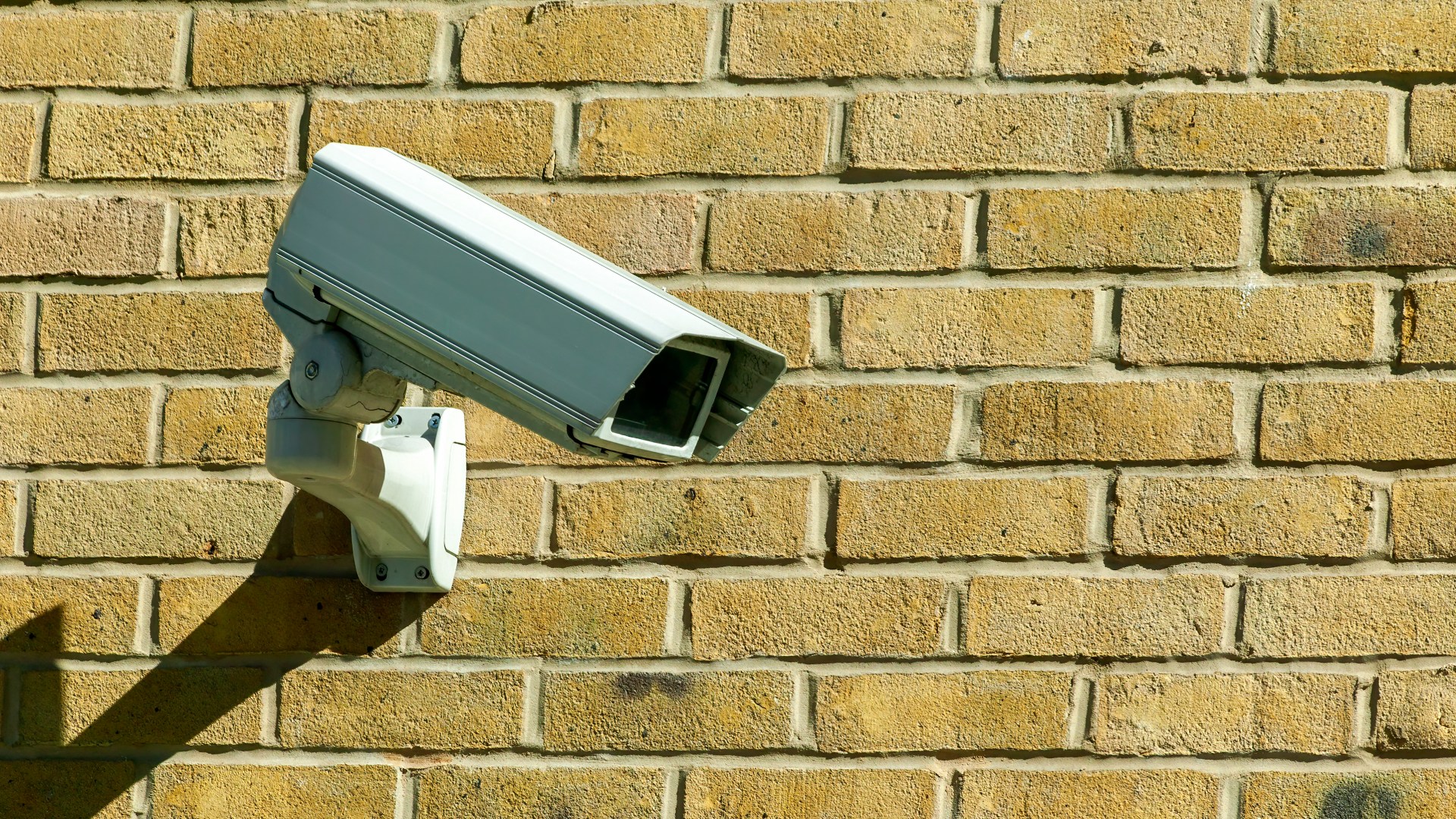
GADGETS such as Ring doorbells and other CCTV cameras are growing in popularity. But if you find out your neighbour has installed one of these devices and it is facing your home, can you order them to take it down or get it to point elsewhere? We explain the rules you must follow when installing CCTV, according to ICO Credit: Getty According to the Information Commissioner’s Office (ICO), homeowners are generally allowed to install these devices to protect their property. But if the camera captures images that go beyond their home, such as property, a public area or communal space, then data protection law applies. Sign up for The Sun newsletter Thank you! This is because CCTV can capture images and voices of other people, and this counts as their personal information. Government guidance on CCTV asks those considering installing the devices to ensure they do not invade other people’s privacy where possible. It also asks if you could consider less invasive kinds of security, such as improved lighting. But your neighbour is not breaking the law if part of your property appears in their security camera’s view. If you are concerned, the ICO suggests talking to your neighbour first and explaining your concerns and ask them to consider facing the camera another way. If the situation escalates to a dispute, you could contact their landlord if the property is rented. Most read in The Sun Or you could consider using a mediation service, if raising the issue informally does not work. The ICO says you could contact the police, if your neighbour is breaking the law by being violent or harassing you. However, it’s unlikely that the police would consider using CCTV to record you as harassment, without other misconduct by the person. As a last resort, you can take legal action through the courts. Rules you must follow when installing CCTV Guidance provided by the Information Commissioner’s Office (ICO) Data protection law and CCTV If CCTV records beyond your property boundary, data protection law applies and there are rules you must follow. You must: consider what area needs to be covered and what images or audio, or both, will be captured – you shouldn’t capture more than you need to; install signage that indicates CCTV is in operation; ensure the footage recorded is stored securely and is only accessible by people who need to access it; delete the footage regularly or automatically, or both; and be able to respond appropriately to a request for the footage from people who appear in it. The ICO’s guidance says you should try to point your CCTV cameras away from someone else’s property, a public area or communal space, where possible. You should also consider how intrusive the recording is, and where possible, apply filters or privacy blockers to blur or block out part of the footage. Comment now
Can my neighbour install a camera facing my home without my permission? Privacy laws explained
Full Article
Original Source
Read the full article at Thesun →KhanList aggregates and links to publicly available news content. We do not host full articles from third-party sources. Always verify important information with original sources.